








What happened
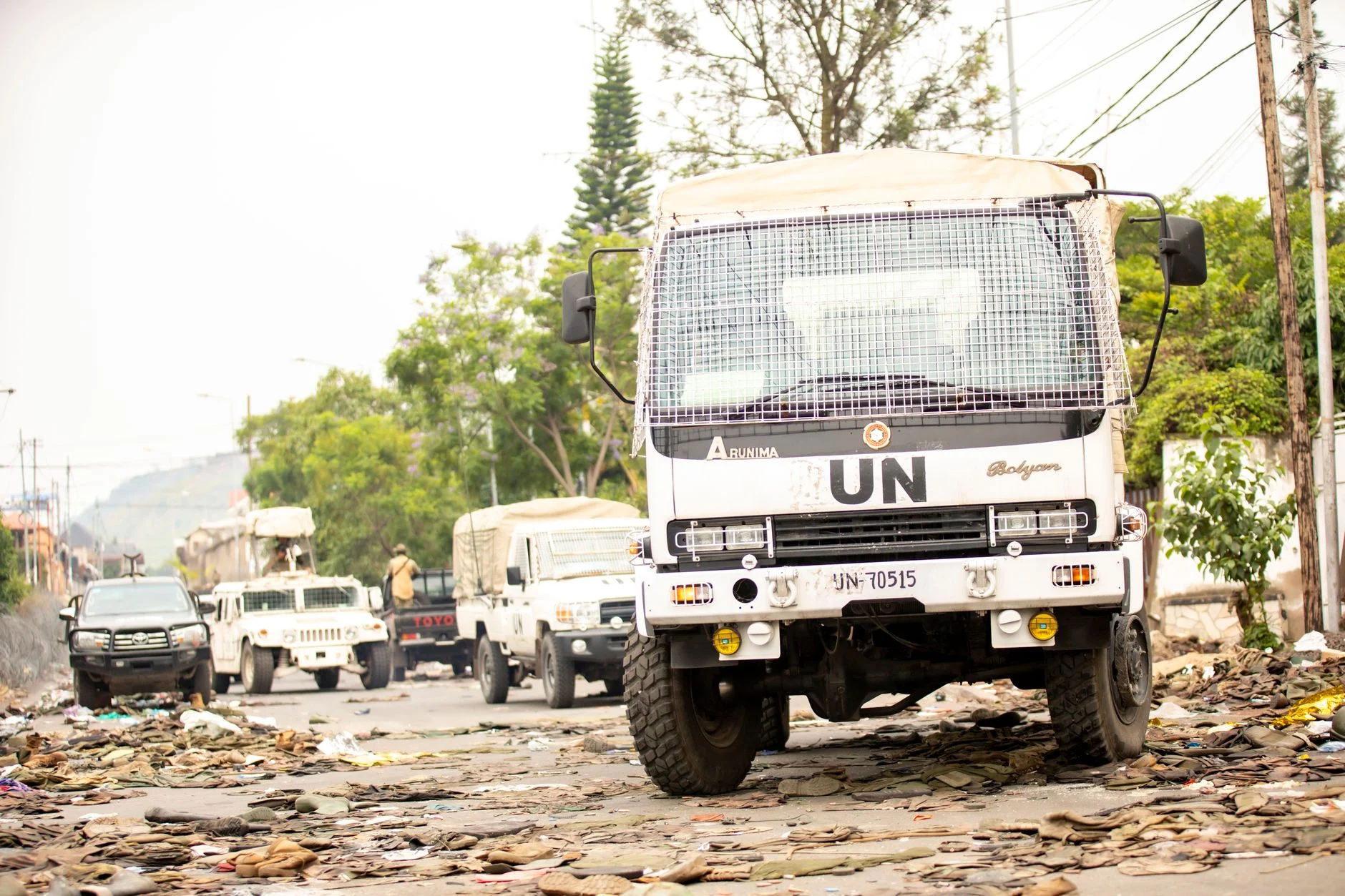
Humanitarian corridors have become an indispensable mechanism for ensuring safe passage of civilians and aid during conflicts and crises worldwide. Their establishment, however, is deeply intertwined with complex international legal frameworks. This article examines how international law informs the creation, operation, and legitimacy of humanitarian corridors, drawing on key case studies to illustrate both successes and persistent challenges.
Why it matters
In conflict zones where civilians face acute threats, humanitarian corridors offer a lifeline. Yet their effectiveness hinges not only on political will but on adherence to and interpretation of international legal norms. Understanding the legal basis for these corridors enhances clarity for stakeholders, reduces ambiguities that can delay or endanger aid delivery, and reinforces accountability mechanisms for parties that violate agreed terms. As conflicts grow more protracted and fragmented, clarifying the role and limitations of international law in this context is critical for both humanitarian actors and policymakers.
Industry context
Humanitarian corridors operate at the nexus of international humanitarian law (IHL), human rights law, and state sovereignty principles. The Geneva Conventions and their Additional Protocols provide foundational protections for civilians and regulate conduct during armed conflict, implicitly supporting corridor arrangements. Meanwhile, United Nations Security Council resolutions and regional agreements have increasingly formalized corridor usage. However, operationalizing these legal norms is complicated by factors such as non-state armed group involvement, contested territorial control, and competing interpretations of sovereignty and neutrality.
Analysis
The legal architecture supporting humanitarian corridors is layered and situation-specific. At its core, IHL mandates the protection of civilians and facilitates humanitarian relief, but it does not prescribe a uniform model for corridors. Consequently, corridor design and implementation often rely on negotiated agreements tailored to the conflict context, requiring consent from all parties to hostilities. This prerequisite can be a critical impediment when actors refuse or manipulate corridor terms for strategic advantage.
Moreover, international legal frameworks emphasize the principles of impartiality, neutrality, and independence of humanitarian actors operating within corridors. Upholding these principles is essential for corridor credibility and security, yet they are frequently challenged by politicization or militarization of aid routes. Enforcement mechanisms remain limited; violations of corridor agreements may constitute breaches of IHL, yet practical accountability is constrained by geopolitical realities and the complexity of mixed conflict zones.
Case studies from various regions illustrate the variable success of humanitarian corridors. In some instances, robust legal agreements paired with strong monitoring mechanisms have enabled sustained civilian evacuations and aid delivery. In others, corridors have been sporadically used or exploited for military purposes, undermining trust and endangering civilians. These patterns underscore the necessity of clear legal frameworks combined with enforceable safeguards and multilateral oversight.
What to watch next
Looking forward, the evolution of international law regarding humanitarian corridors will likely hinge on several factors. The increasing involvement of non-state armed groups and hybrid warfare tactics demands adaptive legal interpretations and innovative diplomatic engagement strategies. Advances in international judicial capacity and accountability mechanisms may strengthen deterrence against corridor violations. Additionally, the role of regional organizations and coalitions in supporting corridor agreements could become more pronounced, potentially offering more localized frameworks that complement global legal standards.
Ultimately, the continued refinement of legal norms and operational practices surrounding humanitarian corridors will be essential to safeguarding civilian populations in conflict and crisis settings. Observers should monitor developments in treaty interpretations, Security Council mandates, and humanitarian operational protocols to assess how international law adapts to the evolving nature of armed conflict and humanitarian needs.
Ask AI about this story
Answers are based on this article and SN Media’s related coverage. AI can make mistakes.
Frequently asked questions
How does international law influence the establishment of humanitarian corridors?
International law provides the legal basis for humanitarian corridors through frameworks like international humanitarian law, human rights law, and state sovereignty principles, requiring negotiated agreements and consent from all conflict parties to operate corridors effectively.
What challenges affect the operation and enforcement of humanitarian corridors under international law?
Challenges include the involvement of non-state armed groups, contested territorial control, politicization or militarization of aid routes, and limited enforcement mechanisms due to geopolitical complexities and mixed conflict zones.
What do case studies reveal about the success and limitations of humanitarian corridors?
Case studies show that corridors with strong legal agreements and monitoring can enable sustained aid and evacuations, while others suffer from sporadic use or exploitation for military purposes, undermining trust and civilian safety.
What future developments in international law could impact humanitarian corridors?
Future changes may involve adapting legal interpretations to non-state armed groups and hybrid warfare, enhancing international judicial accountability, and increasing the role of regional organizations in supporting corridor agreements alongside global standards.
Continue the story
 LIVE · Follow the latest developments
Hurricane Simon live: Strengthens to Category 4, nears Mexico’s Pacific coast
LIVE · Follow the latest developments
Hurricane Simon live: Strengthens to Category 4, nears Mexico’s Pacific coast