







August 28, 2026
Freedom Edge drill live: Seoul confirms next trilateral exercise off Jeju Island in July
Freedom Edge is a planned five-day U.S.–South Korean–Japanese exercise off Jeju Island. Its value — and its political risk — lie in what the three militaries practise together and how Pyongyang reads the signal.
What we know
- The Freedom Edge trilateral military exercise is scheduled for 7–11 September 2026 in waters off Jeju Island, South Korea.
- The exercise will involve the United States, South Korea, and Japan conducting air, naval, surveillance, and missile-defense training.
- South Korea describes the drill as defensive and aimed at improving responses to North Korean nuclear and missile threats.
- No official reaction from North Korea to the 2026 drill has been confirmed as of now.
- SN Media will continue to monitor official statements and updates regarding the exercise plans.
Live updates
Publication times are shown in US Eastern Time and UTC. Event times are stated in the update text when confirmed.
Official archive audio: Freedom Edge 25 recap
Listen to the U.S. Navy/AFN recap of Freedom Edge 25. This is archive audio about the 2025 exercise, included as background rather than evidence of the planned 2026 drill.
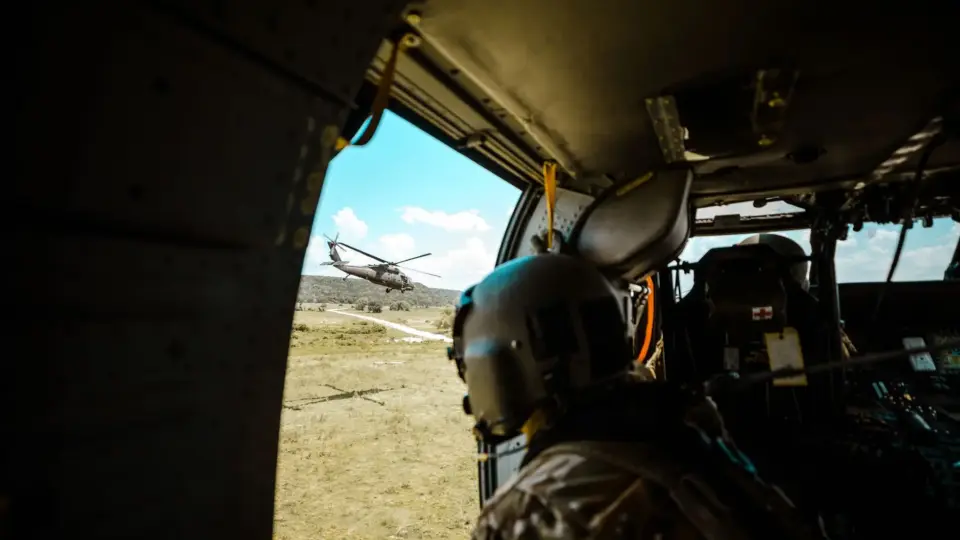
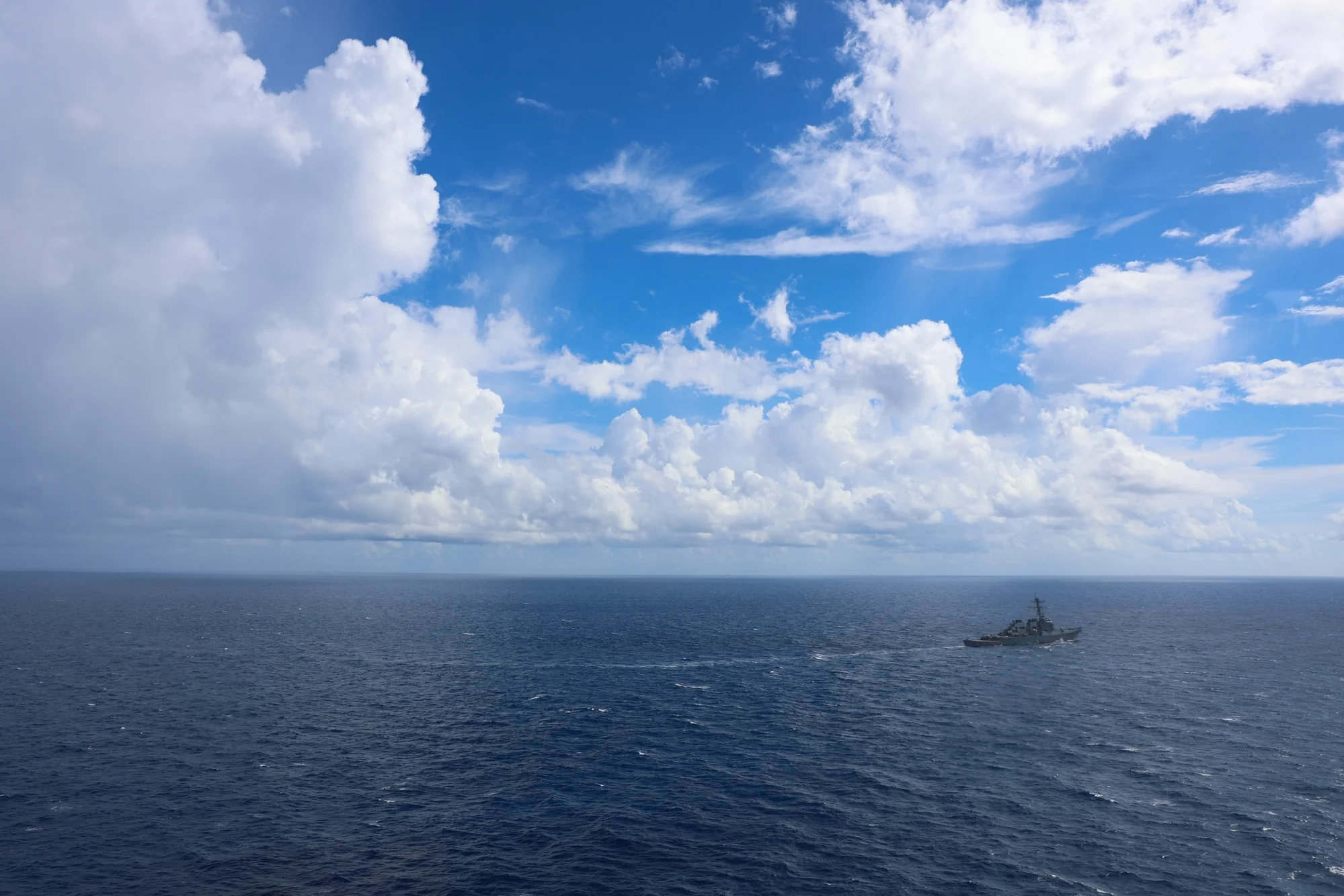
Archive image: Freedom Edge 25 trilateral training
Archive image from Freedom Edge 25 (September 2025); it is not imagery from the planned 2026 exercise.
Seoul confirms dates for the next trilateral Freedom Edge exercise
South Korea says the United States, South Korea and Japan will hold the Freedom Edge exercise from 7 September for five days in waters off Jeju Island. Seoul describes the drill as defensive and intended to improve responses to North Korean nuclear and missile threats.
The announcement follows renewed pressure from North Korea and comes as the prospects for an early resumption of U.S.–North Korea diplomacy remain uncertain. SN Media will track official statements and any changes to the planned exercise.
What we’ll be tracking
Why it matters
The Freedom Edge exercise aims to improve trilateral defense responses to North Korean nuclear and missile threats, highlighting ongoing regional tensions.
The drill's timing follows increased pressure from North Korea and uncertain prospects for renewed U.S.u2013North Korea diplomacy, underscoring strategic signaling.
The exercise involves the U.S., South Korea, and Japan, demonstrating continued trilateral military collaboration in East Asia.
Background
What Freedom Edge is
Freedom Edge is a trilateral military exercise involving the United States, South Korea and Japan. South Korea’s military says the next iteration is scheduled to begin on 7 September and run for five days in waters off Jeju Island. It is not a war, an emergency deployment or an operation already under way. It is a planned exercise, and that distinction is central to responsible coverage.
Launched in 2024, Freedom Edge is intended to build on earlier bilateral and trilateral drills by combining several missions at once: air and naval coordination, ballistic-missile defence, anti-submarine warfare, surveillance and other interoperable capabilities. Exercises are where militaries test communications, procedures and decision-making before a real crisis forces them to do it under pressure.
Why three countries train together
The strategic logic is geography and capability. North Korea’s advancing missile and nuclear programmes are the stated focus of the exercise. The United States maintains forces and alliance commitments in the region; South Korea sits closest to the immediate threat; Japan provides major maritime, air and intelligence capabilities and sits on the routes where a regional crisis would unfold. A common operating picture and shared procedures can be as consequential as the number of ships or aircraft involved.
Trilateral cooperation is also politically significant because relations between Seoul and Tokyo have at times been burdened by historical disputes. A recurring exercise signals an effort to make practical security coordination more durable than a single diplomatic moment. It does not erase political differences, but it creates routines that can matter during fast-moving missile warnings, submarine tracking or maritime incidents.
What the drill is likely to practise
Official descriptions of Freedom Edge point to a multi-domain exercise. Ballistic-missile defence training can involve detecting a launch, sharing tracking data, deciding which command has responsibility and rehearsing an intercept sequence. Anti-submarine work can involve maritime patrol aircraft, ships, helicopters and underwater sensors. Surveillance missions build a common view of the air and sea picture. These functions may sound technical, but their purpose is simple: reduce the time between seeing a threat and coordinating a response.
Because the 2026 exercise has not yet started, SN Media will not assume the exact platform list, location of each phase or specific scenario unless a participating military releases it. Images from Freedom Edge 25 are historical context, not evidence of the 2026 activity. The page labels that archive material clearly.
How North Korea views it
Seoul describes Freedom Edge as defensive and tied to countering North Korean nuclear and missile threats. Pyongyang has long described U.S.-allied exercises as hostile rehearsals and has criticized trilateral drills as demonstrations of confrontation. It has also argued that the exercises are meant to pressure China and Russia. These competing descriptions are part of the exercise’s political effect: drills are military training, but they are also signals aimed at allies, rivals and domestic audiences.
The timing comes amid strained diplomacy. AP reported that the announcement followed North Korean criticism of U.S. policy and that prospects for an early resumption of U.S.–North Korean diplomacy appeared dim. That context makes careful language especially important. An announced exercise does not automatically predict a missile test, a military incident or a diplomatic breakdown. It does, however, take place in an environment where miscalculation and rhetorical escalation are real risks.
What it means for regional security
For Washington, Seoul and Tokyo, the exercise is a visible demonstration that their deterrence posture is increasingly trilateral. The immediate message is that a North Korean missile or submarine challenge would be met with more coordinated surveillance and response. The wider message is that maritime security in Northeast Asia is no longer handled only through separate U.S.–South Korea and U.S.–Japan relationships.
For the region, there are two simultaneous effects. Better coordination may reduce uncertainty among the participants and strengthen crisis readiness. At the same time, high-profile exercises can increase threat perceptions in Pyongyang and contribute to a cycle of condemnation, military signalling and counter-signalling. Neither effect cancels the other; both are part of the security environment around the Korean Peninsula and the seas near Japan.
What this live page will verify
Until 7 September, the confirmed facts are the announced dates, the planned location and the stated defensive purpose. Once the exercise begins, SN Media will track official participant releases, the missions confirmed by the militaries, any public safety or navigation notices, and official reactions from North Korea or other governments. We will not present archived images as current, anonymous social posts as verified deployment evidence, or speculation about a wider conflict as fact.