








September 4, 2026
U.N. live: African-led proposal for new world map projection endorsed at 1245 session
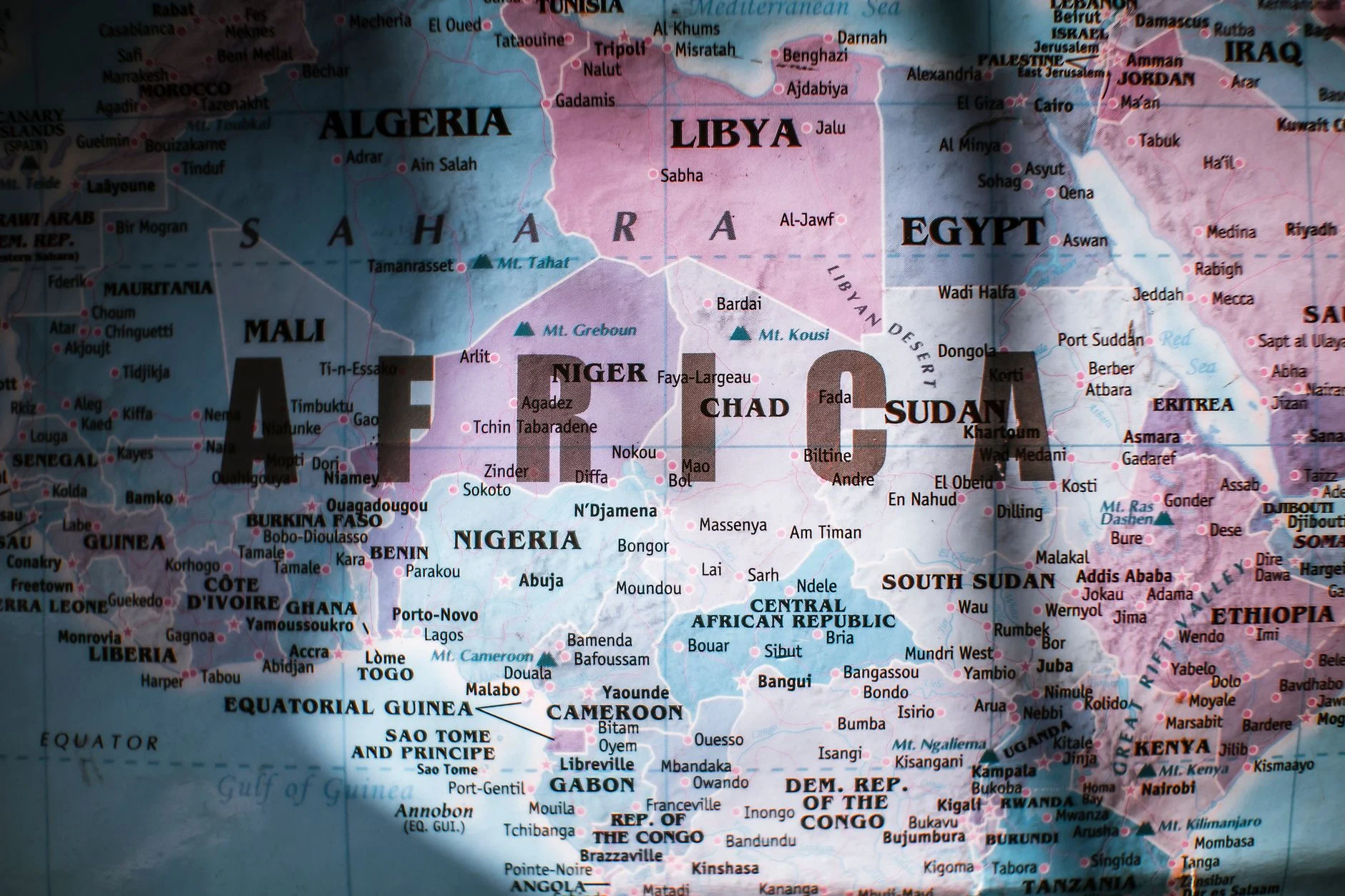
What we know
- The United Nations has approved a proposal from Africa to adopt the Equal Earth projection as a new standard for world maps.
- The Equal Earth projection is designed to represent countries' sizes more accurately than the traditional Mercator map.
- The Mercator map has been criticized for minimizing the apparent size of Africa and other regions.
- The U.N. decision aims to promote more equitable geographic representations globally.
- Following the U.N. endorsement, France has announced plans to replace the Mercator projection.
Live updates
Publication times are shown in US Eastern Time and UTC. Event times are stated in the update text when confirmed.
UN Endorses New World Map Highlighting Africa's True Size
The United Nations has approved a resolution supporting a new world map that accurately represents Africa's scale, addressing distortions in traditional projections. This move has prompted France to announce plans to replace the Mercator projection, which has long been criticized for misrepresenting the continent's size. Multiple sources confirm the UN's decision marks a significant shift in global cartography standards.
U.N. Endorses African-Led Proposal for New World Map Projection
The United Nations has approved a proposal originating from Africa to adopt the Equal Earth projection as a new standard for world maps. This projection aims to represent countries' sizes more accurately compared to the traditional Mercator map, which has been criticized for minimizing the apparent size of Africa and other regions. The decision reflects a move toward more equitable geographic representations on a global scale.
What we’ll be tracking
Why it matters
The UN's endorsement of the Equal Earth projection addresses longstanding distortions in traditional maps, providing a more accurate representation of Africa's true size.
This decision marks a significant shift in global map-making practices by moving away from the Mercator projection, which has been widely criticized for misrepresenting certain regions.
Adopting an African-led proposal reflects a move toward more equitable geographic representations, acknowledging the importance of diverse perspectives in global decisions.