








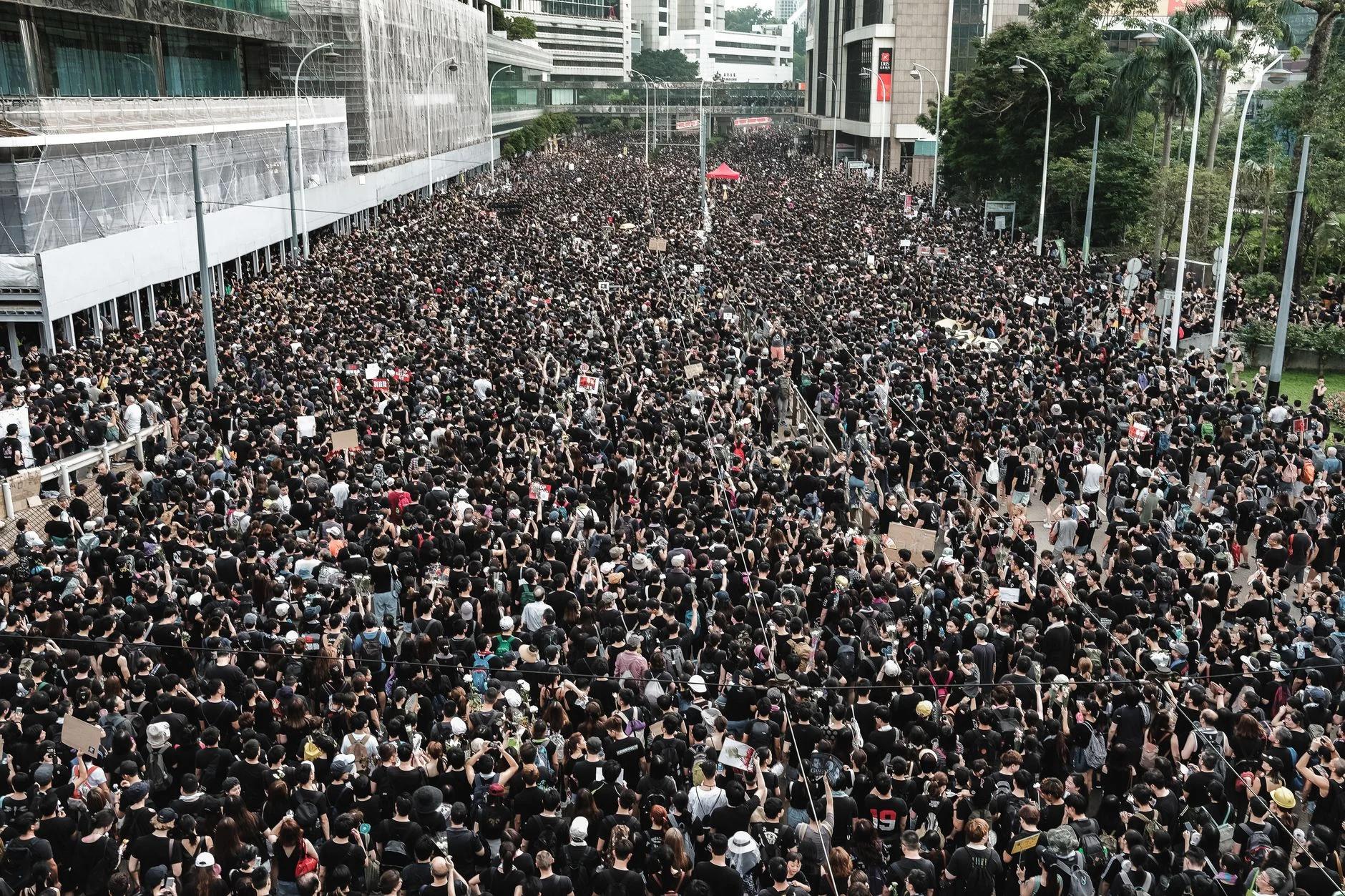
- Hong Kong’s National Security Law (NSL) has substantially increased legal risks for pro-democracy activists, constraining traditional forms of dissent.
- Joshua Wong’s recent guilty plea illustrates the law’s expansive reach and its use as a tool to deter and delegitimize opposition figures.
- The NSL’s implementation marks a shift in the balance of power, embedding Beijing’s authority more deeply into Hong Kong’s judicial and political systems.
- International reactions have underscored tensions between sovereignty claims and human rights concerns, complicating diplomatic engagement.
What happened
In early September 2026, Joshua Wong, a prominent figure in Hong Kong’s pro-democracy movement, pleaded guilty to charges under the city’s National Security Law (NSL). This marks his second conviction related to the NSL, a legislation imposed by Beijing in 2020 aimed at curbing dissent deemed threatening to national security. Wong’s case centers on allegations tied to organizing and participating in protests considered subversive under the law. His guilty plea underscores the intensifying legal pressures faced by activists who continue to challenge the shifting political landscape in Hong Kong.
Why it matters
Wong’s conviction is significant beyond the fate of a single activist. It exemplifies how the NSL has been employed to reconfigure the boundaries of permissible political expression in Hong Kong. The law’s broad definitions of offenses such as secession, subversion, and collusion with foreign forces enable authorities to prosecute a wide range of opposition activities. This development signals the diminishing space for organized pro-democracy advocacy and raises questions about the rule of law, judicial independence, and civil liberties in a city once known for its vibrant political pluralism. Moreover, the case acts as a deterrent, chilling activism and prompting reassessments of strategies within the opposition.
Industry context
Since the NSL’s enactment, Hong Kong’s media, legal, and civil society sectors have encountered profound disruptions. Independent journalism faces heightened risks of censorship or reprisal under vaguely defined security offenses. Legal practitioners defending political activists navigate an increasingly politicized judiciary, with some foreign lawyers barred from cases deemed sensitive. NGOs and advocacy groups have shuttered or scaled down operations amid fears of prosecution and asset freezes. These institutional changes reflect a broader pattern of Beijing consolidating control, diminishing Hong Kong’s traditional autonomy under the “one country, two systems” framework established in 1997.
Analysis
The NSL’s impact on pro-democracy activism is multifaceted. On one level, it functions as a legal apparatus that criminalizes core protest tactics—mass demonstrations, public assemblies, and calls for greater autonomy. By applying the law to high-profile figures like Wong, authorities leverage symbolic prosecutions to erode opposition morale and public support. The law’s sweeping scope also engenders self-censorship, as activists and their allies weigh the risks of engagement against potential penalties.
Simultaneously, the NSL redefines Hong Kong’s governance architecture by integrating mainland security agencies and judicial mechanisms, thereby diluting local legal traditions and protections. This institutional shift challenges the city’s previously distinct legal identity, as cases are increasingly adjudicated under frameworks aligned with Beijing’s interests.
Internationally, reactions to the NSL and subsequent prosecutions reveal a tension between respecting China’s sovereignty and upholding universal human rights standards. Western governments have imposed sanctions and voiced concern over the deterioration of democratic freedoms, while Beijing frames the law as a necessary measure against separatism and foreign interference. This diplomatic friction complicates bilateral relations and influences broader geopolitical dynamics in the Asia-Pacific region.
What to watch next
Attention now turns to how the pro-democracy movement in Hong Kong will adapt under sustained legal and political pressure. Will activists pursue more covert or decentralized methods of engagement, or will there be a gradual erosion of organized opposition? The judiciary’s handling of future NSL cases will also be critical in assessing the law’s operational boundaries and its long-term implications for Hong Kong’s legal system.
International responses—particularly from multilateral institutions and trade partners—may further shape the city’s political environment. Monitoring Beijing’s strategy in balancing international criticism with its domestic security objectives will be essential to understanding how the NSL continues to influence Hong Kong’s autonomy and its role as a global financial hub.
Ask AI about this story
Answers are based on this article and SN Media’s related coverage. AI can make mistakes.
Frequently asked questions
What charges did Joshua Wong plead guilty to under Hong Kongu2019s National Security Law?
Joshua Wong pleaded guilty to charges related to organizing and participating in protests considered subversive under the National Security Law, marking his second conviction under this legislation.
How has the National Security Law affected pro-democracy activism in Hong Kong?
The law has increased legal risks for activists by broadly defining offenses like secession and subversion, leading to prosecutions that deter opposition activities, promote self-censorship, and reduce the space for organized advocacy.
What institutional changes have occurred in Hong Kong since the National Security Law was enacted?
Hong Kongu2019s media, legal, and civil society sectors have faced disruptions including censorship risks, politicized judiciary practices, barring of some foreign lawyers, and closure or scaling down of NGOs, reflecting Beijingu2019s consolidation of control and diminished autonomy under the 'one country, two systems' framework.
What are the international implications of the National Security Law and Joshua Wongu2019s conviction?
Internationally, the law has caused tensions between Chinau2019s sovereignty claims and human rights concerns, leading to sanctions and diplomatic friction, which complicate bilateral relations and affect geopolitical dynamics in the Asia-Pacific region.
Continue the story
 LATEST
How AI Investment Is Reshaping Hong Kong’s Capital Markets
LATEST
How AI Investment Is Reshaping Hong Kong’s Capital Markets
- LATEST Hong Kong’s Strategic Push to Expand Dim Sum Bonds Market: Implications for Global Finance
- LATEST Hong Kong’s Gold Hub Initiative: A Strategic Pivot in Global Commodities Trading
- LATEST The Legal and Ethical Implications of Livestreaming Military Executions
- LATEST Strategic Implications of China’s Air-Sea Exercise Near Scarborough Shoal