





What Happened
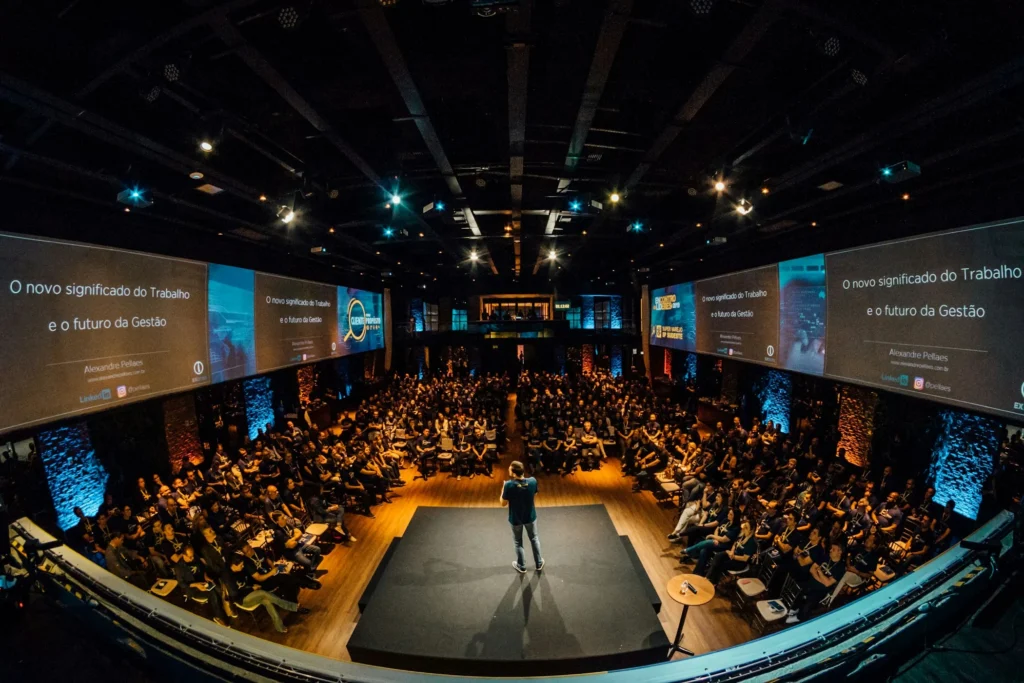
Over the past two decades, political communication has undergone a profound transformation. Traditional methods—public speeches, press conferences, and official statements—have increasingly been supplemented or replaced by direct engagement through digital platforms. Social media feeds, messaging apps, and email newsletters have become primary channels for leaders to convey their messages, bypassing traditional media gatekeepers. This shift has altered the dynamics of political discourse, making it more immediate, personalized, and often more fragmented.

Why It Matters
The migration of political communication from physical podiums and conventional media to digital platforms has significant implications for democratic processes, public accountability, and the nature of political influence. Power is no longer solely exercised within formal institutions or broadcasted through established news outlets; it is actively contested within the continuous flow of online content. This evolution affects how citizens access information, how narratives are shaped, and how political legitimacy is constructed and challenged.
Industry Context
The rise of digital platforms has coincided with broader societal shifts in media consumption habits and technological innovation. Social media companies, messaging services, and email providers have become critical infrastructures in the political ecosystem. These platforms offer unprecedented reach and immediacy but also introduce complex challenges related to misinformation, polarization, and algorithmic amplification. Governments, political parties, and advocacy groups have adapted their strategies accordingly, investing in digital campaigns and real-time engagement to capture public attention.
Analysis
The transition from podiums to platforms reflects deeper changes in the relationship between political actors and the public. Traditional communication was often unidirectional and mediated by journalistic institutions that provided context and verification. In contrast, digital communication is interactive, decentralized, and frequently unfiltered. While this can democratize access to information, it also enables the rapid spread of misinformation and the erosion of shared factual foundations.
Moreover, the personalized nature of digital communication—tailored feeds, targeted messages, and private inboxes—allows political actors to segment audiences and craft bespoke narratives. This can enhance engagement but risks reinforcing echo chambers and exacerbating societal divisions. The constant need for content and immediacy pressures political figures to prioritize viral messaging over substantive discourse, potentially undermining democratic deliberation.
What to Watch Next
Looking forward, the evolution of political communication will be shaped by regulatory responses, technological developments, and changing public attitudes. Efforts to increase transparency and accountability on digital platforms, such as disclosure of political advertising and moderation policies, will be critical. Emerging technologies like decentralized social networks and encrypted messaging may further complicate the landscape. Additionally, the ongoing tension between free expression and the need to combat misinformation will remain central to debates about the future of political discourse.
Understanding how political communication continues to migrate and adapt in digital environments will be essential for policymakers, media professionals, and citizens seeking to navigate the complexities of modern governance and public engagement.
Ask AI about this story
Answers are based on this article and SN Media’s related coverage. AI can make mistakes.
Frequently asked questions
How has political communication changed over the past two decades?
Political communication has shifted from traditional methods like speeches and press conferences to direct engagement via digital platforms such as social media, messaging apps, and email newsletters, making discourse more immediate, personalized, and fragmented.
What are the implications of moving political communication to digital platforms?
This shift affects democratic processes, public accountability, and political influence by contesting power within online content flows rather than formal institutions, altering how citizens access information and how political legitimacy is constructed and challenged.
What challenges arise from political communication being digital and decentralized?
Digital communication enables rapid misinformation spread, erosion of shared facts, audience segmentation, echo chambers, societal divisions, and pressures for viral messaging that may undermine substantive democratic discourse.
What factors will influence the future of political communication on digital platforms?
Regulatory measures on transparency and accountability, technological advances like decentralized networks and encrypted messaging, and the balance between free expression and combating misinformation will shape how political communication evolves.
Continue the story
 LATEST
The Evolution of Political Retreats: From Camp David to Trump’s Florida Golf Club
LATEST
The Evolution of Political Retreats: From Camp David to Trump’s Florida Golf Club
- LATEST The Rising Risk for Comedians Under Authoritarian Regimes: Turkey’s Crackdown on Free Speech
- LATEST From Street Market to Global Spotlight: The Impact of TikTok on Emerging Fashion Brands
- LATEST The Paradox of Prosperity: Why Economic Growth Isn’t Boosting Trump’s Popularity
- LATEST The Growing Influence of Russian-Aligned Lobbyists in Washington