








What happened
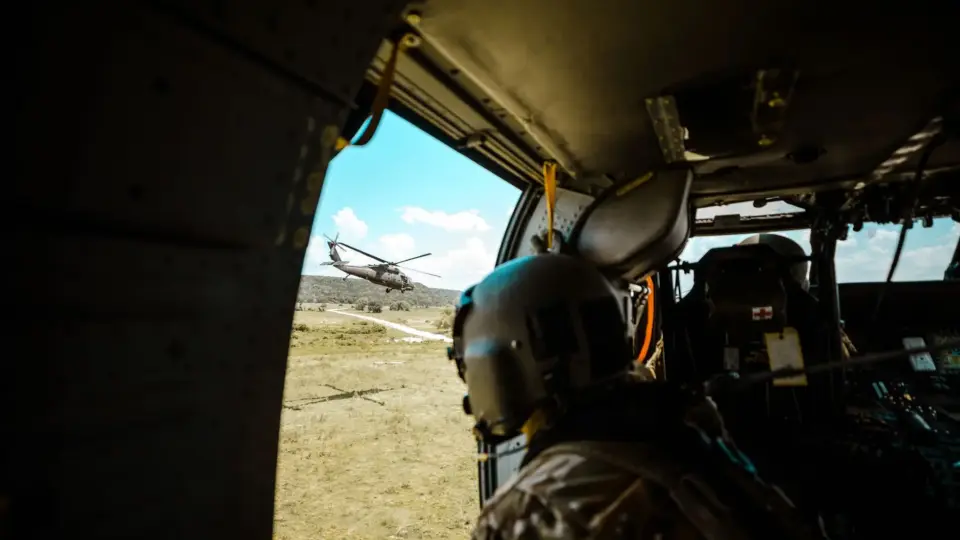
The United States has announced a decision to scale back its joint military exercises with South Korea, signaling a notable shift in its defense posture on the Korean Peninsula. These exercises, which have historically involved large-scale maneuvers and frequent troop deployments, served as a demonstration of military readiness and deterrence against potential aggression from North Korea. The reduction in these drills has been framed as part of a broader effort to recalibrate US military engagement in the region while pursuing diplomatic avenues with Pyongyang.
Why it matters
This development carries significant implications for regional security and power dynamics across East Asia. The joint exercises have long been a cornerstone of the US-South Korea alliance and a visible commitment to the defense of the peninsula. Scaling back these activities could alter perceptions of US resolve among both allies and adversaries. It raises questions about deterrence effectiveness vis-à-vis North Korea’s evolving missile and nuclear capabilities, the strategic calculations of China, and the stability of regional security architectures.
Industry context
The US-South Korea military alliance has historically relied on combined exercises to maintain operational interoperability and readiness. From an international security perspective, these drills send a clear message not only to North Korea but also to other regional actors, including China and Russia, regarding US engagement in East Asia. The reduction in exercises must also be understood in the context of shifting US defense priorities, budget constraints, and the evolving geopolitical landscape shaped by China’s rise and North Korea’s continued provocations.
Analysis
The decision to reduce military drills reflects a nuanced balancing act between deterrence and diplomatic outreach. On one hand, it may be seen as an attempt to lower tensions and create space for negotiations with North Korea by removing what Pyongyang often labels as provocative military posturing. On the other, it risks emboldening North Korea if perceived as a weakening of the US commitment to the peninsula’s defense.
China’s role in this equation is pivotal. Beijing has long opposed large-scale US military activities near its borders, viewing them as encirclement efforts. The reduction in drills could be interpreted as a partial concession to Chinese strategic concerns, potentially recalibrating Sino-American interactions in the region. However, it also introduces uncertainty regarding the future of the US extended deterrence umbrella, which could compel South Korea to reconsider its security policies and possibly seek a more autonomous defense posture.
Furthermore, this shift may impact regional alliances beyond the peninsula. Countries such as Japan and Australia, which coordinate closely with the US on security matters, will closely monitor how this change affects broader deterrence strategies against North Korea and China. The recalibration underscores the complexity of maintaining a credible defense posture while pursuing diplomatic engagement in a highly volatile environment.
What to watch next
Observers should closely monitor North Korea’s response to the reduction in joint exercises, particularly any changes in missile testing or diplomatic overtures. The nature and frequency of future military cooperation between the US and South Korea will also be critical indicators of the alliance’s evolving dynamics. Additionally, China’s diplomatic and military posture in reaction to this shift will provide insight into its broader strategic objectives in East Asia.
Finally, developments in trilateral security dialogues involving the US, South Korea, and Japan will reveal how regional partners intend to address potential gaps in deterrence and collective defense. The evolving balance between military preparedness and diplomatic engagement remains a defining challenge for East Asian security in the coming years.
Ask AI about this story
Answers are based on this article and SN Media’s related coverage. AI can make mistakes.
Frequently asked questions
Why is the US reducing joint military exercises with South Korea?
The US is scaling back these exercises to recalibrate its military engagement in the region while pursuing diplomatic avenues with North Korea, aiming to lower tensions and create space for negotiations.
How might this reduction affect the US-South Korea alliance and regional security?
The reduction could alter perceptions of US resolve, potentially weakening deterrence against North Korea and prompting South Korea to reconsider its security policies, while also impacting broader regional alliances and security architectures.
What role does China play in the decision to reduce military drills?
China has opposed large-scale US military activities near its borders, viewing them as encirclement; the reduction may be seen as a partial concession to Chinese strategic concerns, affecting Sino-American interactions and regional dynamics.
What should observers monitor following this change in US military posture?
Observers should watch North Koreau2019s response, future US-South Korea military cooperation, Chinau2019s diplomatic and military reactions, and developments in trilateral security dialogues involving the US, South Korea, and Japan to assess impacts on deterrence and regional security.
Continue the story
 LATEST
Geopolitical Implications of US Troop Surge in the Middle East
LATEST
Geopolitical Implications of US Troop Surge in the Middle East
- LATEST Strategic Implications of China’s Air-Sea Exercise Near Scarborough Shoal
- LATEST US-Denmark Security Deal Redefines Arctic Military Strategy Amid Rising Geopolitical Tensions
- LATEST Strategic Implications of US ‘Permanent Control’ Over Greenland Security
- LATEST US-China Trade Talks in New York: Implications for Global Markets