








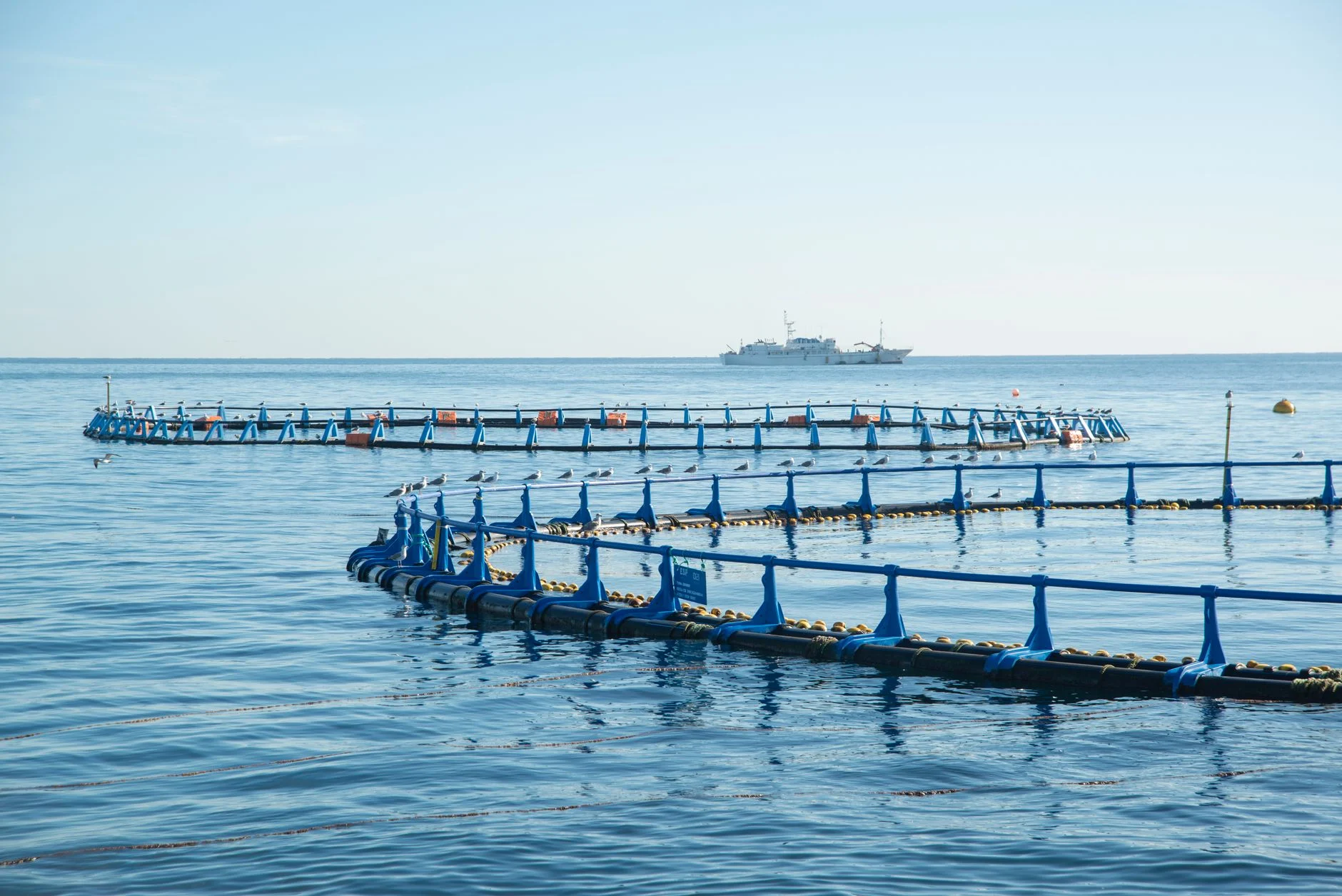
The Long-Term Economic Risks of Ocean Acidification on Global Fisheries
What happened
Ocean acidification, driven primarily by increased atmospheric carbon dioxide absorption, continues to alter the chemical composition of seawater. This process reduces the availability of carbonate ions essential for marine organisms such as shellfish and corals to build their skeletons and shells. As a consequence, marine ecosystems face substantial disruptions, particularly in regions heavily reliant on fisheries for economic sustenance and food security. The pervasive nature of this environmental shift poses complex challenges to global fisheries, which are integral to the livelihoods of millions and the stability of international trade.
Why it matters
Fisheries contribute significantly to the global economy, providing employment, nutrition, and export revenues—especially in developing coastal nations. Ocean acidification threatens to undermine these contributions by impairing the growth, reproduction, and survival of key species. The resulting ecological imbalances can decrease fish stock abundance and alter species composition, thereby destabilizing fisheries and related industries. Beyond ecological damage, these changes translate into economic risks, including reduced catch yields, increased operational costs, and market volatility. Understanding and addressing these risks is essential for securing food systems and economic resilience amid ongoing environmental shifts.
Industry context
The fisheries sector operates at the intersection of environmental variability and market dynamics. Globally, fisheries range from small-scale artisanal operations to large industrial fleets, each with differing capacities to respond to environmental stressors. Ocean acidification compounds existing pressures such as overfishing, habitat degradation, and climate change, intensifying the vulnerability of marine resources. Additionally, fisheries are embedded within complex supply chains and international markets, meaning localized ecological impacts can propagate through global trade networks. This interconnectedness necessitates coordinated industry responses and adaptive management to sustain economic viability.
Analysis
The economic consequences of ocean acidification manifest through multiple pathways. Physiological stress on calcifying organisms can lead to population declines, reducing the availability of species critical to commercial and subsistence fishing. Altered species distributions may shift fishing grounds, imposing higher operational costs and regulatory challenges. Moreover, acidification can disrupt marine food webs, indirectly affecting non-calcifying species that are economically important. Econometric models projecting these impacts indicate potential declines in fisheries productivity and profitability, particularly in regions with limited adaptive capacity.
Adaptation strategies vary in scope and effectiveness. Technological innovations such as selective breeding and aquaculture diversification offer potential mitigation avenues but require investment and infrastructure. Policy frameworks that integrate ecosystem-based management and international cooperation are vital to address transboundary challenges. Economic diversification and social safety nets are also critical for communities dependent on vulnerable fisheries. However, the uncertainty surrounding the pace and extent of ocean acidification complicates decision-making, underscoring the need for robust monitoring and flexible governance.
What to watch next
Future developments to monitor include advancements in scientific understanding of species-specific responses to acidification and ecosystem-level consequences. The evolution of international regulatory frameworks and agreements governing marine resource management will be pivotal in shaping industry adaptation. Additionally, the deployment of innovative aquaculture techniques and sustainable fishing practices may influence economic resilience. Tracking investment flows into these areas, alongside shifts in market demand and consumer preferences, will provide insight into the sector’s capacity to navigate the mounting challenges posed by ocean acidification.
Ask AI about this story
Answers are based on this article and SN Media’s related coverage. AI can make mistakes.
Frequently asked questions
How does ocean acidification specifically impact marine organisms important to fisheries?
Ocean acidification reduces the availability of carbonate ions needed by shellfish and corals to build their skeletons and shells, causing physiological stress that can lead to population declines and disrupt marine food webs.
What are the main economic risks for fisheries due to ocean acidification outlined in the article?
Economic risks include reduced catch yields, increased operational costs, market volatility, and decreased productivity and profitability, especially in regions with limited capacity to adapt.
What adaptation strategies are discussed to mitigate the economic impacts of ocean acidification on fisheries?
Strategies include technological innovations like selective breeding and aquaculture diversification, ecosystem-based management policies, international cooperation, economic diversification, and social safety nets for vulnerable communities.
What future developments should be monitored to understand and address the risks of ocean acidification on fisheries?
Key areas to watch are scientific advances on species-specific and ecosystem responses, evolution of international marine resource regulations, adoption of innovative aquaculture and sustainable fishing practices, investment trends, and changes in market demand and consumer preferences.
Continue the story
 LATEST
How Falling Oil Prices Are Reshaping Global Market Sentiment Amid European Debt Worries
LATEST
How Falling Oil Prices Are Reshaping Global Market Sentiment Amid European Debt Worries
- LATEST Climate Change and the Rhine: How Extreme Weather Disrupts European Supply Chains
- LATEST Global Implications of Sustained High Yields on Government Debt
- LATEST EU vs. US: A Comparative Analysis of Trade Strategies in the Battle with China
- LATEST The Rising Tide of Short-Term US Debt: Implications for Global Financial Markets