

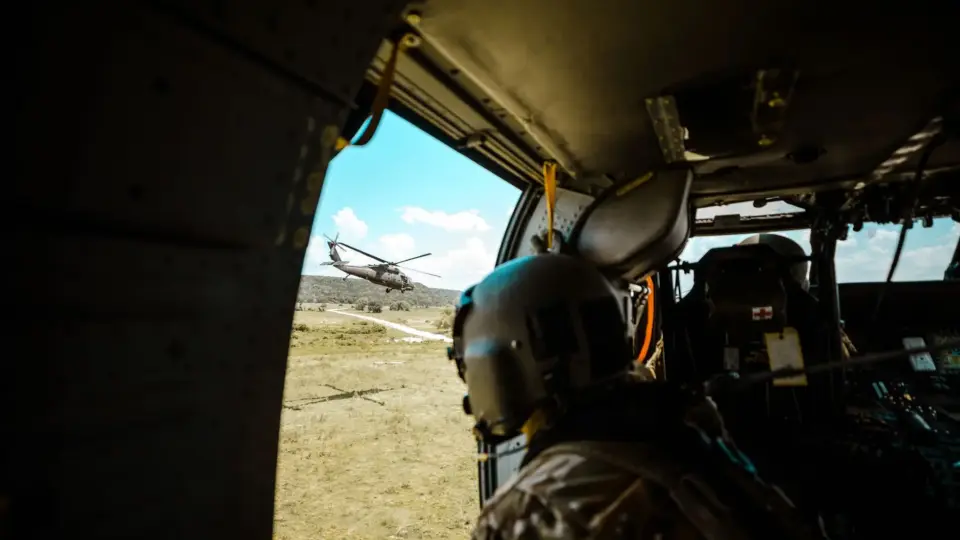







- The US approval of the $24.3 billion F-35 sale marks a pivotal shift in Saudi Arabia’s military modernization and regional posture.
- This transaction signals evolving US strategic priorities amid complex Middle Eastern alliances and rivalries.
- The introduction of stealth capabilities to Saudi Arabia’s arsenal recalibrates power balances, particularly vis-à-vis Iran and Israel.
- Long-term regional security will hinge on how arms proliferation intersects with diplomatic efforts and emerging defense partnerships.
What happened
The United States government authorized the sale of F-35 stealth fighter jets to Saudi Arabia in a deal valued at approximately $24.3 billion. This transaction encompasses not only the aircraft themselves but also associated weapons systems, training programs, and logistical support infrastructure. The approval follows years of negotiation and deliberation, reflecting a strategic recalibration in US-Saudi defense cooperation. The sale represents one of the largest and most consequential arms deals between the two nations in recent decades, with deliveries projected over the coming years.
Why it matters
This arms sale marks a significant departure from previous US policy, which had been cautious about providing Saudi Arabia with cutting-edge military technology due to concerns over regional stability and human rights issues. The introduction of the F-35—a fifth-generation stealth platform with advanced sensors and networked warfare capabilities—enhances Riyadh’s ability to project power and defend against perceived threats. It also signals a US intent to strengthen strategic partnerships in the Gulf amid shifting geopolitical fault lines, including the enduring rivalry with Iran and the evolving relationship between Saudi Arabia and Israel. The sale thus has implications not only for military balances but also for diplomatic dynamics and security architectures in the broader Middle East.
Industry context
The F-35 program is the cornerstone of US advanced fighter production, representing a complex integration of stealth, avionics, and electronic warfare systems. The jet’s export has until now been tightly controlled, limited to close US allies and select partners. Expanding the customer base to include Saudi Arabia reflects broader trends in global arms sales, where geopolitical imperatives influence procurement decisions alongside industrial and technological considerations. For the defense industry, this deal underscores the strategic value of maintaining advanced military technology as a tool of diplomacy and influence. It also introduces challenges in balancing technology transfer risks, regional proliferation concerns, and the economic imperatives of sustaining long-term production lines.
Analysis
The approval of the F-35 sale to Saudi Arabia can be interpreted through multiple strategic lenses. First, it reflects Washington’s recalibration of its Middle Eastern alliances in response to an increasingly assertive Iran, which continues to develop missile and drone capabilities targeting Gulf states. By equipping Saudi Arabia with one of the world’s most advanced fighters, the US aims to deter Iranian aggression and reassure a key partner. Second, the sale may facilitate deeper Saudi engagement with Israel, with whom Riyadh has cautiously expanded covert and overt security dialogues. The interoperability afforded by the F-35 could serve as a foundation for coordinated defense strategies against common threats.
However, the sale also introduces risks. The proliferation of cutting-edge stealth technology can trigger regional arms races, compelling Iran and others to seek more sophisticated countermeasures. Additionally, the deal may complicate US diplomacy with other regional actors wary of Saudi military expansion. Internally, the US will need to manage technology security, ensuring sensitive components do not fall into adversarial hands. Moreover, the transaction raises questions about the long-term impact on regional conflict dynamics, particularly in Yemen and Syria, where Saudi military actions have been contentious.
What to watch next
Key developments to monitor include the actual delivery timeline and integration of the F-35 into Saudi Arabia’s existing air force structure. Observers should also track how this military enhancement influences Saudi foreign policy, especially regarding Iran and the Abraham Accords partners. US congressional and international reactions will be telling, potentially shaping future arms sales policies. Finally, the evolution of regional security dialogues—whether towards increased cooperation or intensified competition—will reveal the broader consequences of this landmark sale on Middle Eastern stability and US strategic interests.
Ask AI about this story
Answers are based on this article and SN Media’s related coverage. AI can make mistakes.
Frequently asked questions
What does the $24.3 billion F-35 sale to Saudi Arabia include?
The sale includes the F-35 stealth fighter jets, associated weapons systems, training programs, and logistical support infrastructure, with deliveries expected over the coming years.
Why is this arms sale significant for US-Saudi relations?
It marks a shift in US policy by providing Saudi Arabia with advanced military technology, enhancing Riyadhu2019s power projection and signaling a stronger strategic partnership amid evolving Middle Eastern alliances and rivalries.
What are the potential risks associated with this F-35 sale?
Risks include triggering regional arms races, complicating US diplomacy with other regional actors, challenges in safeguarding sensitive technology, and uncertain impacts on conflicts in Yemen and Syria.
What future developments should be monitored following this sale?
Key points to watch are the delivery and integration of the F-35 into Saudi Arabiau2019s air force, changes in Saudi foreign policy toward Iran and Abraham Accords partners, reactions from US Congress and international actors, and shifts in regional security dynamics.
Continue the story
 LATEST
Shifting Sands: How US Reluctance to Engage Houthis Impacts Saudi Arabia’s Defense Strategy
LATEST
Shifting Sands: How US Reluctance to Engage Houthis Impacts Saudi Arabia’s Defense Strategy
- LATEST Geopolitical Implications of US Troop Surge in the Middle East
- LATEST Impact of Aramco’s Asia Oil Price Cut on Global Energy Markets
- LATEST The Global Jet Fuel Supply Chain: Why Qatar Airways Looks Beyond the Middle East
- LATEST What Devon Energy’s $4.2 Billion Eagle Ford Sale Means for US Shale Market Dynamics