







- Goldman Sachs strategist Sharon Bell maintains a positive outlook on German equities despite surging political risks.
- Strong macroeconomic fundamentals and corporate earnings resilience underpin the firm’s confidence.
- Political fragmentation is weighed against Germany’s entrenched institutional stability and export-led growth model.
- Investors are advised to balance near-term volatility against long-term structural opportunities in German markets.
What happened
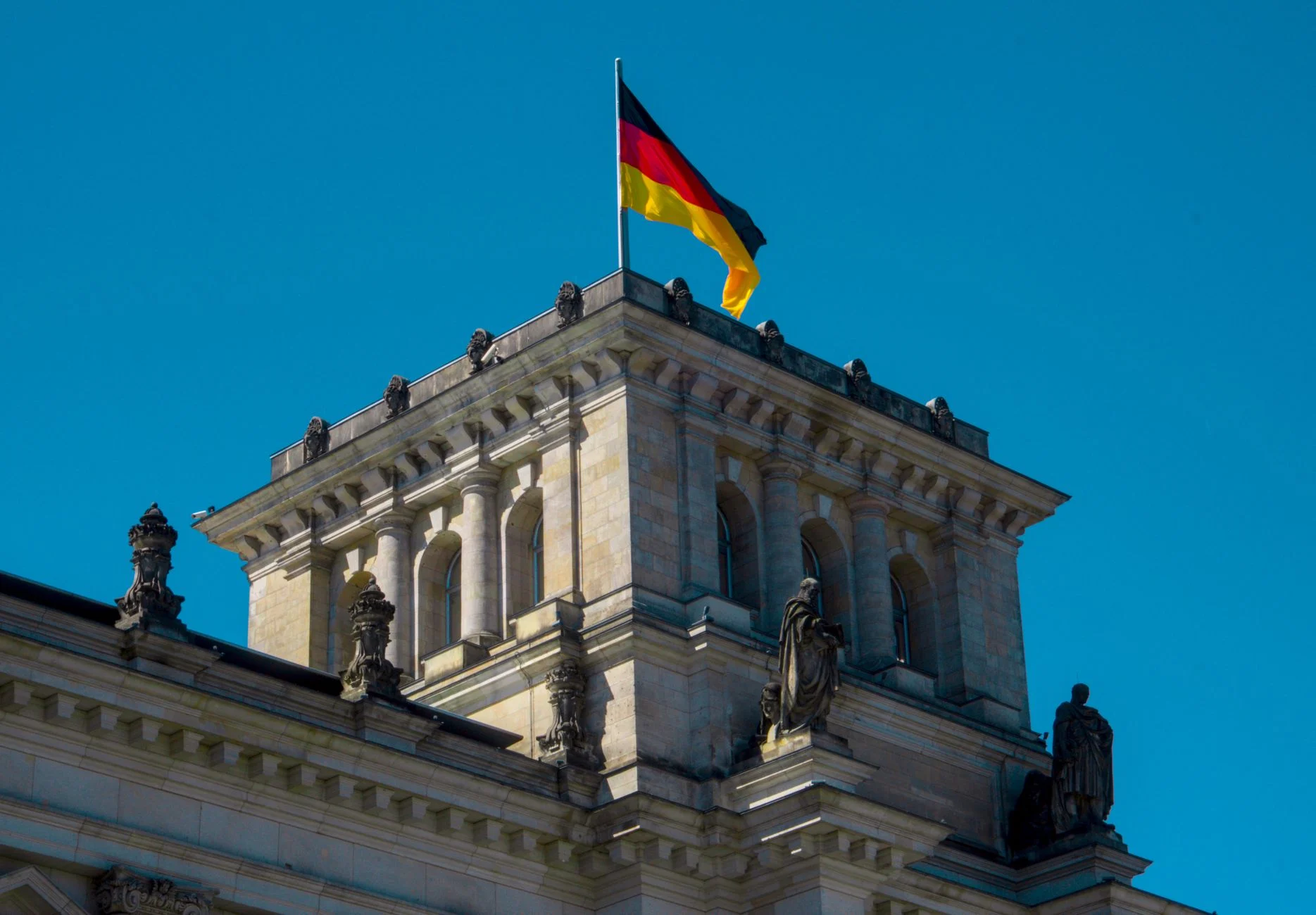
Goldman Sachs strategist Sharon Bell recently reaffirmed a bullish stance on German stocks despite a backdrop of intensifying political uncertainty within Germany. This position contrasts with a broader market caution stemming from the fractious coalition government, rising populist rhetoric, and potential policy gridlock. Bell’s analysis, reported by Bloomberg in September 2026, underscores a conviction that the country’s economic fundamentals and corporate sector remain robust enough to weather political turbulence. This endorsement stands as a counterpoint to widespread investor anxiety about governance risks in Europe’s largest economy.
Why it matters
Germany’s stock market, represented by the DAX index and a wide range of blue-chip multinational companies, serves as a bellwether for European economic health. Political instability in Berlin typically triggers risk-averse behavior across global portfolios, influencing capital flows and valuation multiples. Goldman Sachs’ contrarian view suggests that the current political environment, while challenging, is unlikely to derail Germany’s economic engine or undermine investor returns materially. This perspective may encourage a recalibration of risk premiums on German equities and inform portfolio allocation decisions amid broader geopolitical uncertainties in the Eurozone.
Industry context
The German economy relies heavily on an export-driven industrial base, including automotive, chemicals, and machinery sectors, which are deeply integrated into global supply chains. Political friction within the ruling coalition—marked by disputes over energy policy, fiscal discipline, and climate commitments—poses short-term risks to regulatory consistency. However, Germany’s strong institutional framework, including an independent judiciary, a stable central bank, and a consensus-driven political culture, has historically mitigated policy shocks. Moreover, corporate earnings have shown resilience, buoyed by robust global demand and innovation in key sectors such as green technology and advanced manufacturing.
Analysis
Bell’s bullish outlook hinges on a nuanced assessment of risk versus reward. While acknowledging the heightened political risk premium, she emphasizes the structural advantages that support German equities. The country’s commitment to fiscal prudence and market-friendly reforms, combined with a well-capitalized corporate sector, provides a buffer against potential policy missteps. Additionally, the fragmentation within Germany’s political landscape, characterized by coalition complexities, is not unprecedented and has not previously led to systemic economic disruption. The export sector’s exposure to global growth—particularly in Asia and the U.S.—further anchors earnings prospects. However, the market must navigate uncertainties related to energy transition policies and potential trade frictions within the EU framework, which remain key variables in the risk equation.
What to watch next
Investors should monitor developments in Germany’s coalition government dynamics, particularly any shifts in energy and climate policy that could affect industrial competitiveness. Key indicators include changes in regulatory frameworks affecting carbon emissions, incentives for green technologies, and fiscal policy adjustments. External factors such as global trade tensions and supply chain realignments will also influence earnings trajectories. The trajectory of the European Central Bank’s monetary policy and its impact on German export competitiveness merits close attention. Ultimately, the interplay between political risk and economic fundamentals will shape whether the current optimism among strategists like Bell translates into sustained market gains or if volatility will persist as the dominant theme.
Ask AI about this story
Answers are based on this article and SN Media’s related coverage. AI can make mistakes.
Frequently asked questions
Why does Goldman Sachs remain bullish on German stocks despite political instability?
Goldman Sachs strategist Sharon Bell cites strong macroeconomic fundamentals, corporate earnings resilience, and Germanyu2019s stable institutional framework as reasons to maintain a positive outlook despite political risks.
What political challenges are affecting Germanyu2019s stock market according to the article?
The article highlights political fragmentation within the coalition government, rising populist rhetoric, and disputes over energy policy, fiscal discipline, and climate commitments as sources of political uncertainty.
How does Germanyu2019s export-driven economy influence the outlook on its stock market?
Germanyu2019s export-oriented industrial base, integrated into global supply chains and supported by robust demand especially from Asia and the U.S., underpins corporate earnings and provides a structural advantage despite political challenges.
What factors should investors watch to assess the future performance of German equities?
Investors should monitor developments in coalition government policies, especially related to energy and climate, regulatory changes, global trade tensions, supply chain shifts, and European Central Bank monetary policy impacts.
Continue the story
 LATEST
How Rising Bond Yields Are Reshaping European Equity Markets
LATEST
How Rising Bond Yields Are Reshaping European Equity Markets
- LATEST How Falling Oil Prices Are Reshaping Global Market Sentiment Amid European Debt Worries
- BACKGROUND · How we got here The Future of US Treasury Yields: What a Veteran Strategist’s Forecast Means for Investors
- BACKGROUND · How we got here Why Wall Street Advisors Recommend Staying Invested Despite Dot-Com Echoes