

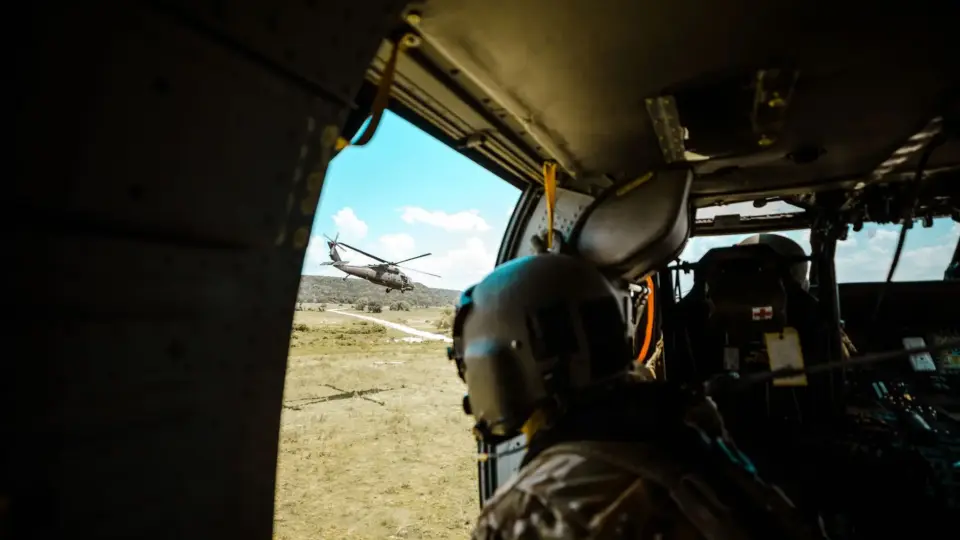






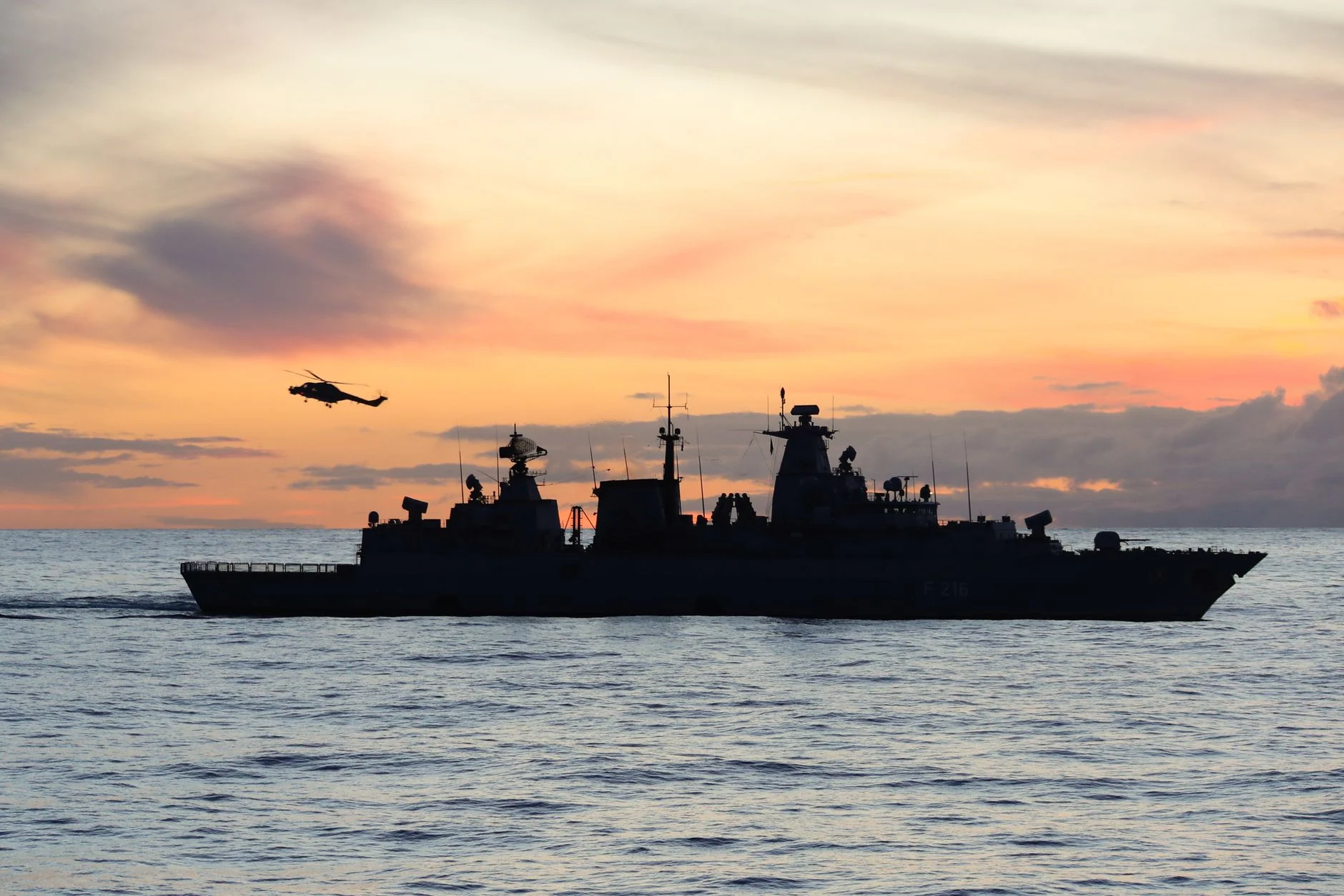
- The US-Denmark security pact enhances American military presence in Greenland, centralizing Arctic defense amid intensifying great power rivalry.
- The agreement navigates Danish sovereignty and Greenlandic autonomy concerns, reflecting complex intra-national dynamics in Arctic governance.
- It signals a strategic shift toward integrating Arctic defense with broader NATO and transatlantic security architectures.
- The deal underscores the Arctic’s evolving role as a geopolitical flashpoint driven by climate change, resource competition, and emerging military technologies.
What happened
In September 2026, the United States and Denmark formalized a comprehensive security agreement that expands American military operations in Greenland. This arrangement includes the modernization of existing US facilities, the establishment of new joint bases, and increased intelligence-sharing protocols. The pact reflects a mutual commitment to reinforcing defense capabilities in the Arctic, a region that has seen escalating strategic competition among global powers. Crucially, the agreement was negotiated with consideration for Denmark’s sovereignty over Greenland and the growing political aspirations of Greenlandic authorities, who maintain a distinct voice within the Kingdom of Denmark.
Why it matters
The Arctic is undergoing a rapid transformation as melting ice opens new maritime routes and access to untapped natural resources. This development has intensified security concerns among Arctic and non-Arctic states alike. By cementing a US military footprint in Greenland, the agreement directly addresses the need to deter Russian and Chinese advances in the High North. However, it also highlights the delicate balance between enhancing collective defense and respecting the autonomy of Greenland, whose population has increasingly called for greater self-determination. The pact thus embodies the tension between strategic imperatives and the political sensitivities that accompany Arctic governance.
Industry context
The Arctic’s strategic relevance has surged in the past decade due to climate-induced environmental shifts and the concurrent rise in geopolitical competition. NATO members, particularly the US, Canada, and the Nordic countries, have prioritized Arctic defense modernization, investing in infrastructure, surveillance technologies, and rapid deployment forces. Meanwhile, Russia has fortified its military presence along its Arctic coastline, while China pursues a “Polar Silk Road” through investments and scientific initiatives. Denmark’s role is pivotal given its sovereignty over Greenland, a key geographic chokepoint for transatlantic security. The US-Denmark security deal fits into a broader pattern of reinforcing alliances and deterrence mechanisms in regions vulnerable to strategic encroachment.
Analysis
This security agreement encapsulates a multifaceted strategic calculation. For the United States, Greenland represents a critical forward operating base that enhances early warning capabilities and power projection in the Arctic. The modernization of installations like Thule Air Base aligns with the US Space Force and missile defense priorities, while joint US-Danish facilities enable more efficient coordination under NATO auspices. Denmark, for its part, navigates the dual role of stewarding Greenland’s sovereignty and preserving the Kingdom’s strategic partnerships. The involvement of Greenlandic political leaders in the negotiation process signals an acknowledgment that defense arrangements must account for local governance and indigenous rights to maintain legitimacy.
The agreement also reveals trade-offs inherent in Arctic security. Increased militarization risks exacerbating regional tensions and provoking countermeasures from Russia, which views NATO encroachment with suspicion. Yet, the absence of robust deterrence could leave critical infrastructure and shipping lanes vulnerable. Furthermore, balancing environmental considerations with military expansion remains an ongoing challenge, as Arctic ecosystems are fragile and indigenous communities disproportionately affected by external activities. The deal thus reflects a pragmatic attempt to reconcile these competing demands through multilateral cooperation and incremental capacity-building.
What to watch next
Attention will focus on the implementation phase, particularly the pace and scale of infrastructure upgrades, and how Greenlandic authorities respond to the evolving security landscape. Monitoring Russian and Chinese reactions will be critical, especially any shifts in Arctic military deployments or diplomatic initiatives. The US-Denmark accord may also set a precedent for other Arctic nations seeking security guarantees while managing domestic autonomy claims. Finally, developments in related domains such as satellite surveillance, missile defense integration, and Arctic maritime law will shape the operational effectiveness and political sustainability of this expanded military posture in the High North.
Ask AI about this story
Answers are based on this article and SN Media’s related coverage. AI can make mistakes.
Frequently asked questions
What are the main components of the US-Denmark security agreement regarding Greenland?
The agreement includes modernization of existing US military facilities, establishment of new joint bases, and increased intelligence-sharing protocols to enhance defense capabilities in Greenland.
How does the agreement address Greenlandic autonomy and Danish sovereignty?
The pact was negotiated with consideration for Denmarku2019s sovereignty over Greenland and involves Greenlandic political leaders, reflecting the need to balance strategic defense with local governance and indigenous rights.
What strategic challenges does the agreement aim to address in the Arctic region?
It seeks to deter Russian and Chinese advances, enhance early warning and power projection capabilities, and integrate Arctic defense within NATO and transatlantic security frameworks amid rising geopolitical competition.
What potential risks or trade-offs are associated with the increased militarization of the Arctic under this deal?
Increased militarization may heighten regional tensions and provoke countermeasures from Russia, while also posing environmental challenges and impacting indigenous communities, requiring careful balancing of security and sustainability concerns.
Continue the story
 LATEST
Strategic Implications of US ‘Permanent Control’ Over Greenland Security
LATEST
Strategic Implications of US ‘Permanent Control’ Over Greenland Security