








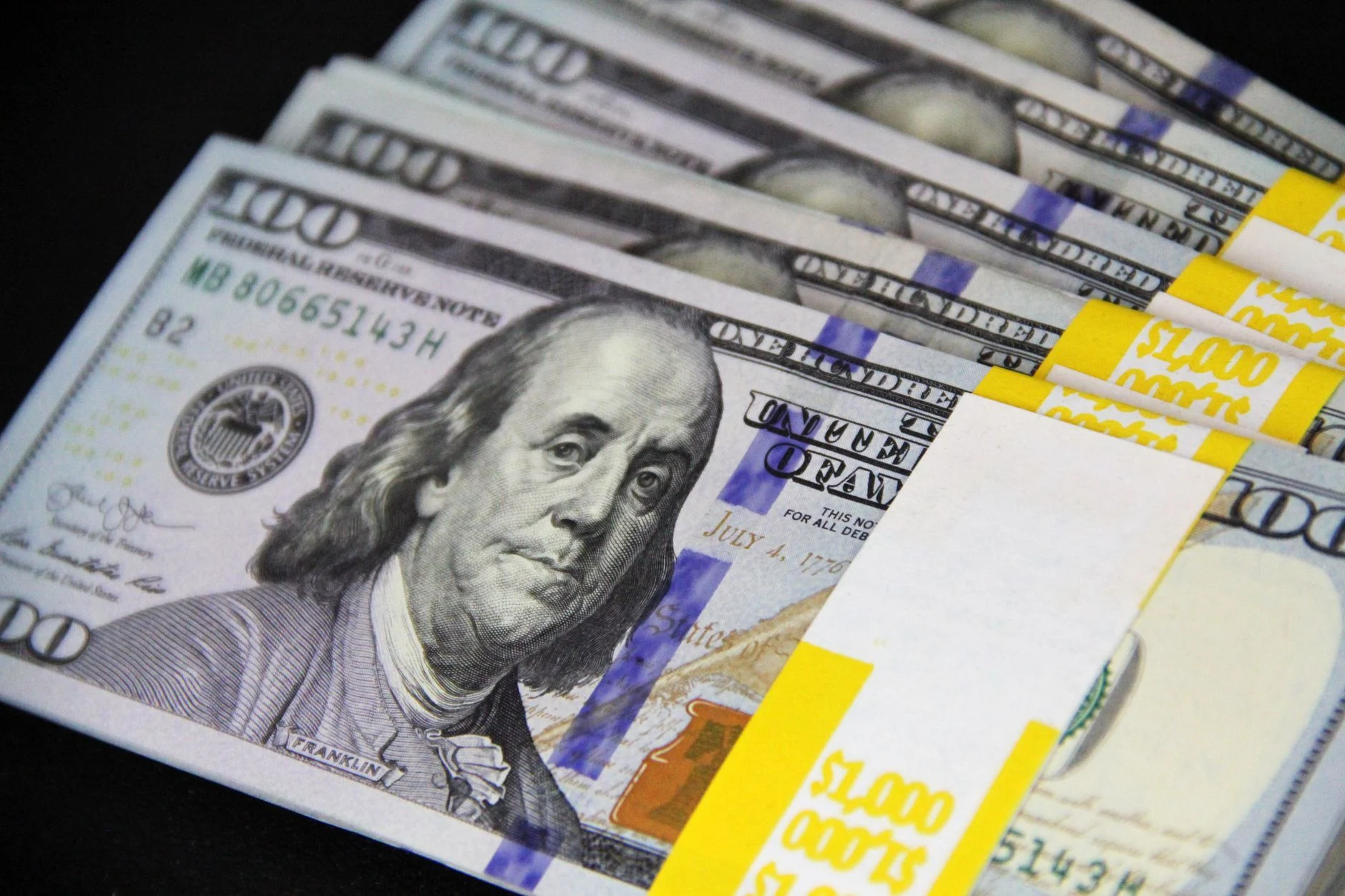
- Investor demand for peso-denominated money market funds in Uruguay has surged amid efforts to reduce dollar dependence.
- Government bond issuances in local currency complement the de-dollarization strategy, expanding peso financial instruments.
- Monetary authorities leverage these trends to enhance policy effectiveness and mitigate exchange rate volatility risks.
- De-dollarization faces structural challenges, including entrenched dollar usage and external economic pressures.
What happened
Uruguay has recently seen a marked increase in investor interest toward peso-denominated money market funds, a development closely aligned with the government’s ongoing effort to de-dollarize the economy. This trend is supported by the expansion of peso-denominated government bond issuances, which provide more diverse investment options within the local currency framework. The combined growth of peso financial instruments signals a deliberate shift by both investors and policymakers away from the traditionally dominant U.S. dollar in Uruguay’s financial system.
Why it matters
The growing prominence of peso-based money market funds and government bonds is not merely a financial innovation but a strategic move to strengthen Uruguay’s monetary sovereignty. High dollarization in Latin American economies often complicates domestic monetary policy, reduces central bank control over interest rates, and exposes the economy to external shocks and currency mismatches. By nurturing peso-denominated assets, Uruguay aims to deepen its local currency capital markets, increase the effectiveness of monetary tools, and reduce systemic risks associated with dollar dependence.
Industry context
Dollarization remains a persistent feature across many Latin American countries, driven by historical inflationary episodes, capital flight tendencies, and trade linkages with the United States. Uruguay’s economy, while relatively stable, has maintained a significant proportion of dollar-denominated deposits and loans. Previous attempts at de-dollarization in the region have met with mixed results due to factors such as limited peso liquidity, lack of investor confidence, and the structural dominance of the dollar in trade and credit. The introduction and scaling of peso money market funds represent an important step in addressing these challenges by providing investors with liquid, short-term local currency instruments that can serve as a gateway to broader de-dollarization.
Analysis
The surge in peso money market funds suggests increasing investor confidence in local currency assets, which is essential for successful de-dollarization. These funds offer liquidity, risk diversification, and yield opportunities that compete more effectively with dollar-based alternatives. Government bond issuances in pesos complement this by deepening the yield curve and improving price discovery, which is critical for both public and private sector borrowing.
However, the success of this strategy hinges on several interrelated forces. First, the Central Bank of Uruguay must maintain credible inflation control to preserve the peso’s purchasing power, thus encouraging long-term local currency holdings. Second, fiscal discipline remains crucial to avoid crowding out private investment and to sustain trust in government debt instruments. Third, external factors such as U.S. monetary policy and global financial conditions will influence capital flows and exchange rate dynamics, potentially complicating the de-dollarization process.
There are trade-offs involved; rapid de-dollarization could tighten financial conditions if not managed carefully, potentially slowing credit growth. Moreover, entrenched dollar usage in sectors such as real estate and trade may limit the pace at which local currency instruments can replace dollar alternatives. Still, the expansion of peso money market funds and government bonds provides a more robust infrastructure for local currency finance, which is a prerequisite for sustained de-dollarization.
What to watch next
Key indicators to monitor include the growth trajectory of peso-denominated financial products relative to their dollar counterparts, as well as shifts in deposit and loan currency compositions within the banking sector. Central bank policy signals on inflation targeting and interest rate adjustments will also be critical in shaping investor perceptions and currency preferences.
Additionally, the government’s fiscal policy stance and debt issuance strategy will influence the availability and attractiveness of peso government securities. External economic conditions, particularly changes in U.S. interest rates and regional capital flows, will test the resilience of Uruguay’s de-dollarization efforts.
Future developments in regulatory frameworks aimed at encouraging peso usage, such as capital requirements, reserve regulations, and tax incentives, should also be scrutinized for their impact on market behavior. Ultimately, Uruguay’s experience may provide valuable lessons for other economies seeking gradual, market-driven pathways to reduce dollar dependence while preserving financial stability.
Ask AI about this story
Answers are based on this article and SN Media’s related coverage. AI can make mistakes.
Frequently asked questions
What recent changes have occurred in Uruguay's financial markets related to de-dollarization?
Investor demand for peso-denominated money market funds has surged, supported by increased government bond issuances in local currency, reflecting a strategic shift away from reliance on the U.S. dollar.
Why is Uruguay focusing on expanding peso-denominated financial instruments?
Expanding peso assets aims to strengthen monetary sovereignty by enhancing monetary policy effectiveness, reducing exchange rate volatility, and mitigating systemic risks linked to dollar dependence.
What challenges could affect Uruguay's de-dollarization strategy?
Structural challenges include entrenched dollar usage in sectors like real estate and trade, the need for credible inflation control, fiscal discipline, and external factors such as U.S. monetary policy and global financial conditions.
What indicators should be monitored to assess the progress of Uruguay's de-dollarization?
Key indicators include the growth of peso-denominated financial products relative to dollar ones, changes in deposit and loan currency composition, central bank policy on inflation and interest rates, fiscal policy, and external economic conditions.
Continue the story
 LATEST
How a Strong Dollar Shapes Federal Reserve Interest Rate Decisions
LATEST
How a Strong Dollar Shapes Federal Reserve Interest Rate Decisions
- LATEST Impact of US Economic Strength on Emerging Market Currencies
- LATEST What Flávio Bolsonaro’s Rise Means for Latin America’s Economic Outlook
- LATEST How Soaring US Yields Are Reshaping Emerging Market Debt Portfolios
- LATEST Why Emerging-Market Carry Trades Remain Resilient Amid High Treasury Yields