





Trump is again presenting tariffs as proof of strength, even as critics warn they raise costs for consumers and businesses.
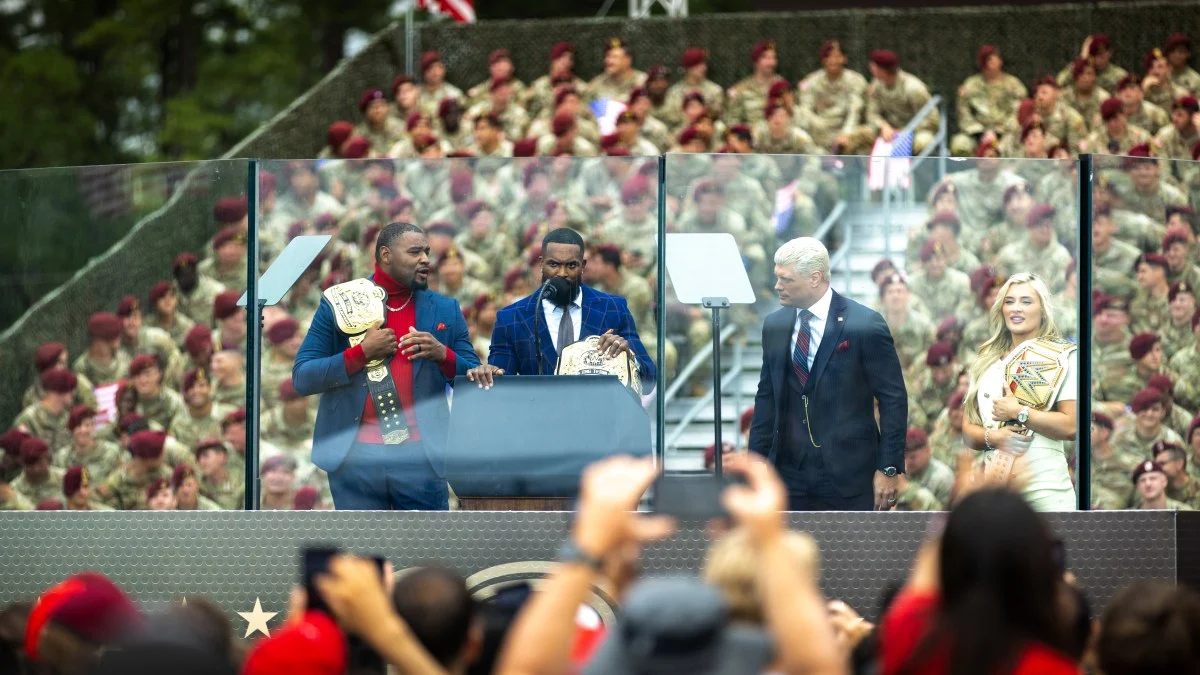
Trump returned to one of his signature economic themes in Dallas: tariffs as leverage, revenue and proof of national strength. The message is familiar, but in 2026 it lands in a more difficult environment.
Tariffs allow Trump to tell voters that foreign competitors are being made to pay. That framing has always been politically useful because it sounds tough and concrete. The economic reality is more complicated, with import costs often passed through to businesses and consumers.
Why it matters
The midterm campaign gives tariffs a new function. They are not just policy; they are identity. Trump uses them to distinguish his economic nationalism from Democratic internationalism and from more traditional Republican trade views.
But the context is less favorable than in earlier campaigns. Oil prices are high, inflation concerns are active, and household budgets are under pressure. Any policy associated with higher costs becomes easier for opponents to attack.
Republicans will argue that tariffs protect American workers and force better terms from trade partners. Democrats will argue that they operate as hidden taxes on consumers.
What to watch
The political test is whether voters prioritize toughness or affordability. If they believe tariffs are part of a broader strategy that benefits the country, the message can work. If they connect tariffs to higher prices, it becomes dangerous.
Trump is betting that the language of strength still wins. The midterms will show whether that language is enough when voters are also asking why everything costs more.
Source
Ask AI about this story
Answers are based on this article and SN Media’s related coverage. AI can make mistakes.
Continue the story
 LATEST
The Paradox of Prosperity: Why Economic Growth Isn’t Boosting Trump’s Popularity
LATEST
The Paradox of Prosperity: Why Economic Growth Isn’t Boosting Trump’s Popularity
- LATEST The Economic Impact of Trump’s Promise to Remove Irish Whiskey Tariffs
- LATEST How U.S. Tariffs Are Reshaping Global Auto Manufacturing Strategies
- LATEST EU vs. US: A Comparative Analysis of Trade Strategies in the Battle with China
- LATEST The Evolution of Political Retreats: From Camp David to Trump’s Florida Golf Club