








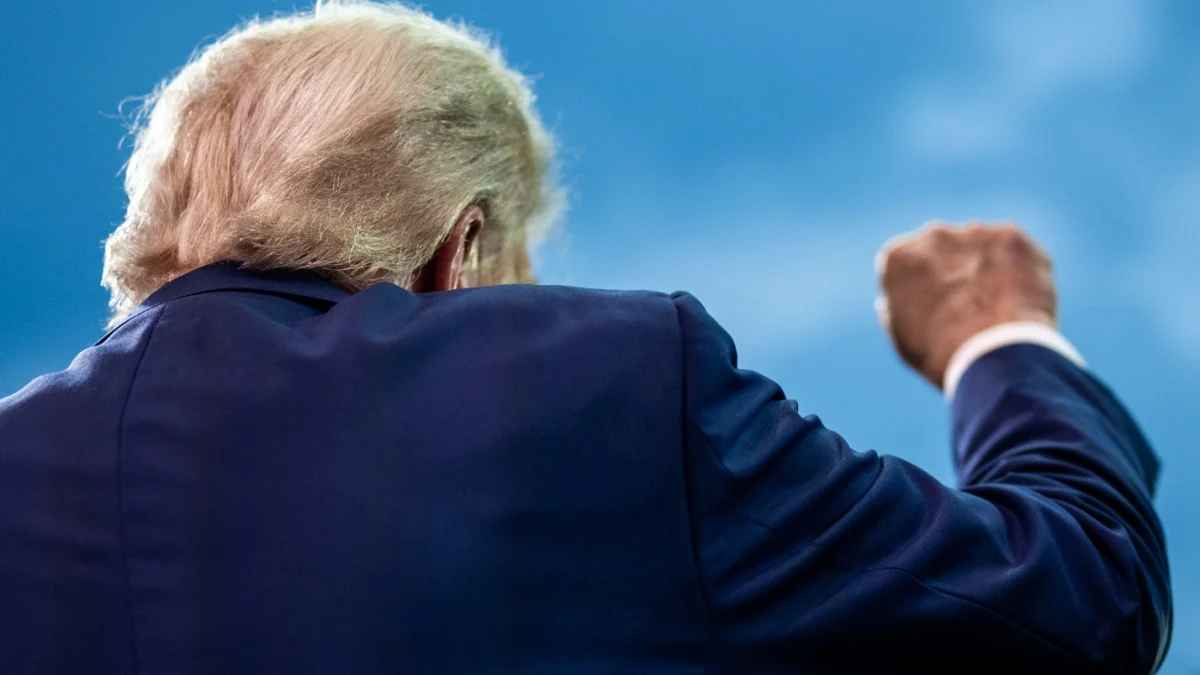
As oil prices surge, Trump is trying to defend the Iran conflict while keeping voters focused on national security instead of higher household costs.
Trump's defense of the Iran war now has to survive a more immediate political test: the price of energy. With oil above $100 a barrel and gasoline costs rising, the foreign policy argument is colliding with the daily economics of American households.
The president has presented the conflict as necessary to prevent Iran from advancing toward a nuclear threat. That message appeals to voters who prioritize deterrence and U.S. strength. But midterm voters often judge presidents through prices, not strategic doctrine.
Why it matters
Energy costs are especially dangerous because they are visible. Voters see them at gas stations, in airline fares, in freight costs and eventually in food prices. A war that feels distant can become domestic very quickly when oil markets move.
Trump has suggested that prices may not ease until after the midterms, a statement that gives Democrats a potent attack line. They can argue that the administration is asking voters to absorb immediate costs for a conflict with no clear end date.
Republicans, meanwhile, are trying to keep the issue framed around security. Their best argument is that short-term price pressure is preferable to a stronger Iran. Their problem is that voters may support toughness in theory while punishing pain in practice.
What to watch
The political danger is not only gasoline. Higher oil prices can pressure markets, transportation companies and consumer sentiment. That makes the war a campaign issue even in districts far from foreign policy debates.
Trump's Dallas convention speech made clear he will not retreat from the Iran argument. The challenge is whether he can convince voters that the costs are temporary, necessary and worth defending at the ballot box.
Source
Ask AI about this story
Answers are based on this article and SN Media’s related coverage. AI can make mistakes.
Continue the story
 LATEST
Geopolitical Implications of US Troop Surge in the Middle East
LATEST
Geopolitical Implications of US Troop Surge in the Middle East
- LATEST Strategic Implications of Iran’s Firm Stance on the Strait of Hormuz
- LATEST The Geopolitical Stakes of Trump’s Venezuela Oil Deal Amid Production Challenges
- LATEST How Falling Oil Prices Are Reshaping US Stock Market Sentiment
- LATEST How Rising Oil Prices Are Reshaping Global Inflation Expectations