








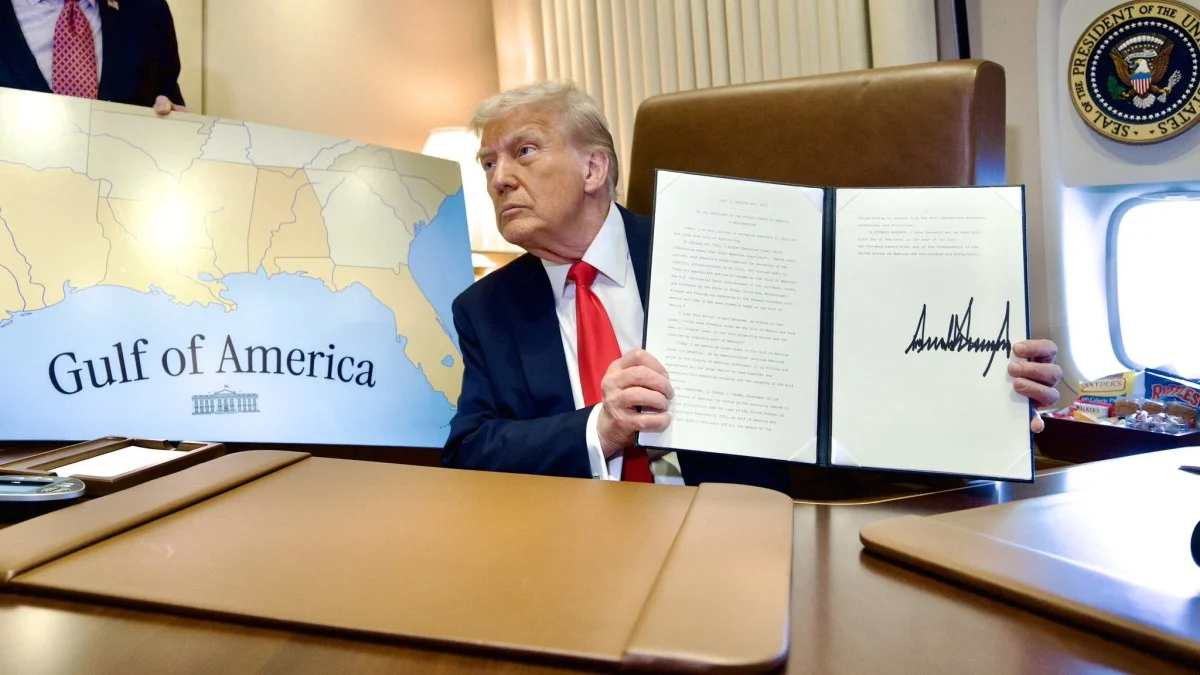
Trump's cash pledge gave Republicans a headline, but the proposal immediately ran into questions about cost, inflation and congressional approval.
The $5,000 "Trump Dividend" was the line built for television. It is simple, direct and emotionally powerful: vote Republican, keep Congress in GOP hands, and adult Americans could receive a large payment.
That simplicity is also the problem. A national payout of that size would likely cost more than $1 trillion, depending on eligibility rules. Even if limited by income, the number remains enormous. The proposal would require congressional approval, a funding mechanism and a defense against accusations that it would add pressure to prices.
Why it matters
Trump framed the idea as a dividend, borrowing the language of corporate profits. Politically, that lets him describe the state as returning value to citizens. Economically, the analogy is harder. A government dividend is not paid from business profit; it comes from revenue, debt or cuts elsewhere.
Vice President JD Vance quickly suggested that wealthy Americans could be excluded, which indicates that the campaign understands the fiscal vulnerability. But means-testing creates its own politics: who qualifies, who is left out, and how quickly could the government deliver checks?
The promise also revives memories of earlier payout ideas that did not materialize. That history gives Democrats an opening to argue that the dividend is a campaign device, not a governing plan.
What to watch
Still, the idea should not be dismissed as random. Trump has long understood the political power of direct benefits. A large payment reframes an abstract midterm into a personal household calculation, especially for voters squeezed by energy prices and inflation.
The question is whether voters hear the promise as relief or as a warning sign. In a campaign shaped by debt, war costs and high prices, the $5,000 pledge may become both Trump's strongest applause line and his most exposed policy claim.
Source
Ask AI about this story
Answers are based on this article and SN Media’s related coverage. AI can make mistakes.
Continue the story
 LATEST
The Paradox of Prosperity: Why Economic Growth Isn’t Boosting Trump’s Popularity
LATEST
The Paradox of Prosperity: Why Economic Growth Isn’t Boosting Trump’s Popularity
- LATEST The Evolution of Political Retreats: From Camp David to Trump’s Florida Golf Club
- LATEST The Economic Impact of Trump’s Promise to Remove Irish Whiskey Tariffs
- LATEST Balancing Act: How Rising Yields Threaten the AI-Driven Tech Rally on Wall Street
- LATEST S&P 500’s Resurgence: What It Means for Global Economic Stability