








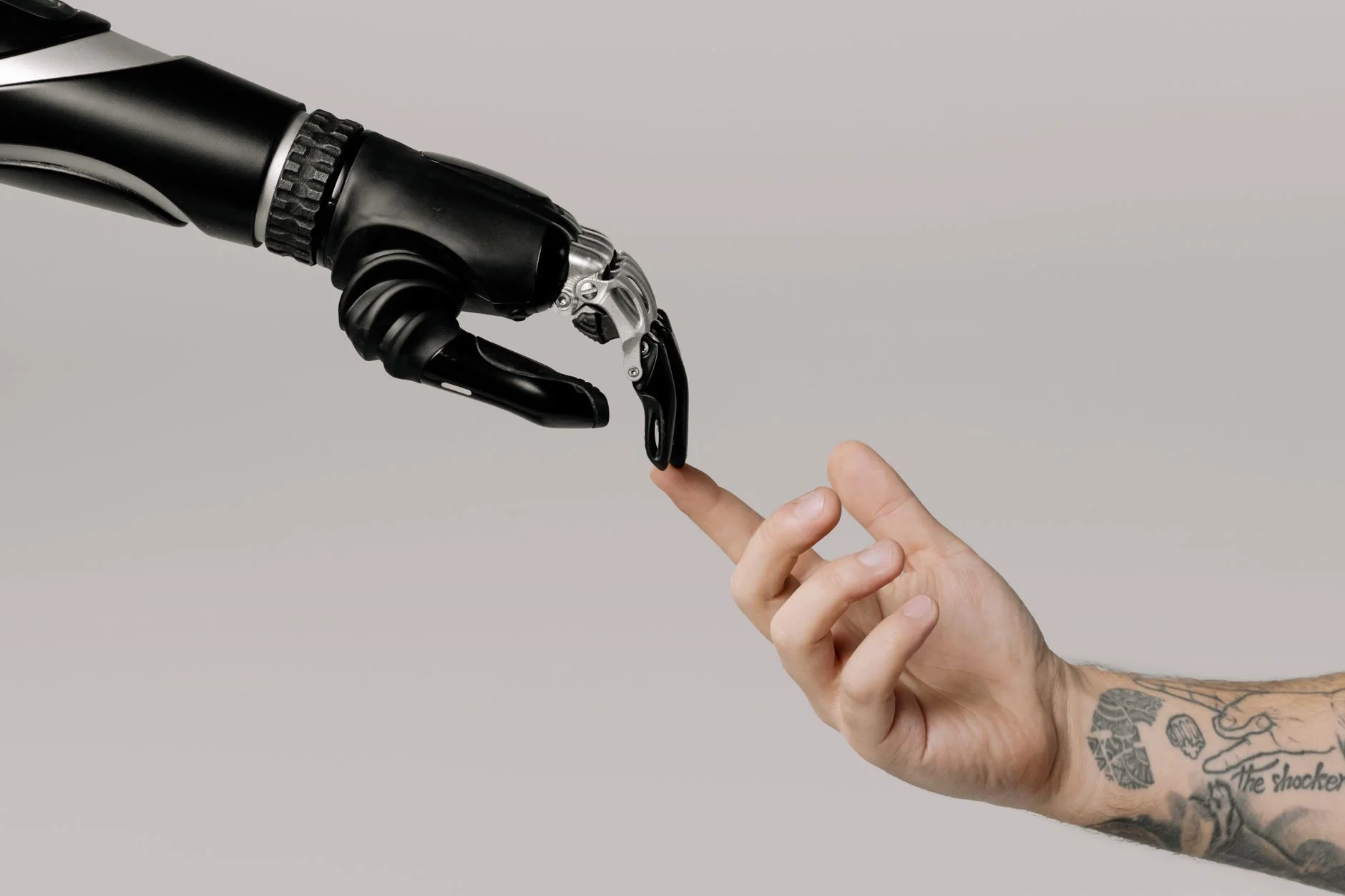
- Robotic athletes have surpassed Usain Bolt’s 100m sprint record under controlled conditions.
- The integration of robotics challenges traditional definitions of athletic achievement and fairness.
- Technological advances force sports governing bodies to reconsider eligibility and competition frameworks.
- The rise of robot athletes highlights tensions between human physical limits and machine capabilities.
The Rise of Robot Athletes: What Does Beating Usain Bolt Mean for Human Sports?
What happened
Recent demonstrations have showcased robots running the 100-meter sprint faster than Usain Bolt’s world record of 9.58 seconds. These robotic athletes, developed with advanced materials, actuators, and real-time control systems, managed to complete the distance in times previously unattainable by human competitors. These performances occurred in controlled environments designed to optimize robot mechanics and minimize external variables such as wind or uneven terrain. While these robotic sprints are not part of any official athletic competition, the milestone marks a significant technological achievement, signaling the onset of an era where machines can outperform elite human athletes in fundamental physical contests.
Why it matters
This development disrupts long-standing assumptions about the limits of human physical performance and the nature of competitive sport. Athletic records have traditionally symbolized the pinnacle of human capability, shaped by genetics, training, and determination. The entry of robots into this domain challenges the very criteria used to measure excellence and victory. Questions arise about whether robotic achievements should be recognized alongside human records or categorized separately. Furthermore, it provokes ethical and philosophical debates about fairness, the purpose of sport, and whether the focus should remain on human endeavor or embrace evolving technological frontiers. The implications extend beyond athletics, touching on cultural values and how societies define human distinction in an increasingly automated world.
Industry context
Sports institutions, including the International Olympic Committee (IOC) and World Athletics, have long wrestled with the influence of technology on competition, from performance-enhancing equipment to biomechanical aids. The introduction of robot athletes intensifies these challenges, as existing regulations primarily address enhancements used by human competitors rather than autonomous machines. Meanwhile, robotics firms and research institutions view sport as a testing ground for advancing mobility, control, and sensor integration. The collision of these interests prompts a reevaluation of competition frameworks, classification systems, and regulatory oversight. Additionally, the sports industry faces commercial and media pressures that could exploit robotic performances for spectacle, further complicating governance decisions.
Analysis
The surpassing of human sprint records by robots is both a technological triumph and a conceptual disruption. Robots operate without biological constraints such as fatigue, injury, or oxygen consumption, allowing for optimization in ways unattainable by humans. Their mechanical consistency and precision enable repeatable peak performance, raising the bar for what is physically possible in sprinting. However, this also underscores a fundamental divergence: robot athletes do not possess consciousness, motivation, or competitive spirit in the human sense. The question then arises whether robotic achievements belong in the competitive sporting canon or constitute a separate category of human-engineered performance art. The establishment of parallel “robot sports” or integrated hybrid competitions could emerge, but these would require careful calibration to preserve the integrity and appeal of human athletics. Beyond sport, the technology demonstrated here has implications for prosthetics, rehabilitation, and human-machine collaboration, hinting at future scenarios where human athletes might augment their abilities with robotics, further blurring lines.
What to watch next
Monitoring how sports governing bodies respond to robotic athletes will be critical. Key developments will include the establishment of clear regulatory distinctions between human and robotic competitions and potential creation of new categories or leagues for robot athletes. Advances in robotic technology—especially improvements in autonomy, adaptability to varied environments, and integration with human competitors—will shape future debates. The ethical discourse around augmented human athletes, where robotics and AI assist rather than replace human effort, also merits close attention. Finally, public and athlete reception of robot participation in sport will influence how these technologies are integrated or excluded, determining whether the rise of robot athletes will redefine the cultural and commercial landscape of competitive sports or remain a technological curiosity on the sidelines.
Ask AI about this story
Answers are based on this article and SN Media’s related coverage. AI can make mistakes.
Frequently asked questions
Have robot athletes officially broken Usain Boltu2019s 100m world record in competition?
Robots have run the 100m faster than Usain Boltu2019s record under controlled conditions, but these performances are not part of any official athletic competition.
What challenges do robot athletes pose to current sports regulations?
Robot athletes challenge existing sports rules that focus on human competitors and their enhancements, prompting governing bodies to reconsider eligibility, competition frameworks, and classification systems for autonomous machines.
Do robot athletes compete with human motivation and consciousness?
No, robots lack consciousness, motivation, and competitive spirit; their performances reflect mechanical precision and consistency rather than human psychological factors.
What future developments are expected regarding robot athletes in sports?
Key future developments include regulatory distinctions between human and robotic competitions, possible creation of separate robot leagues, advances in robotics technology, ethical debates on augmented human athletes, and public and athlete responses influencing integration or exclusion of robots in sports.
Continue the story
 LATEST
The Rise of AI in China: Implications for Consumer Market Investors
LATEST
The Rise of AI in China: Implications for Consumer Market Investors
- LATEST The Ethical Implications of AI Bots Accessing Government Data Without Consent
- LATEST The High-Stakes AI Rivalry: Microsoft vs Anthropic and the Future of Safe AI Development
- LATEST How AI Investments Are Driving the S&P 500 to New Heights
- LATEST Unveiling the Hidden Economic Impact of AI: Beyond Official Data