








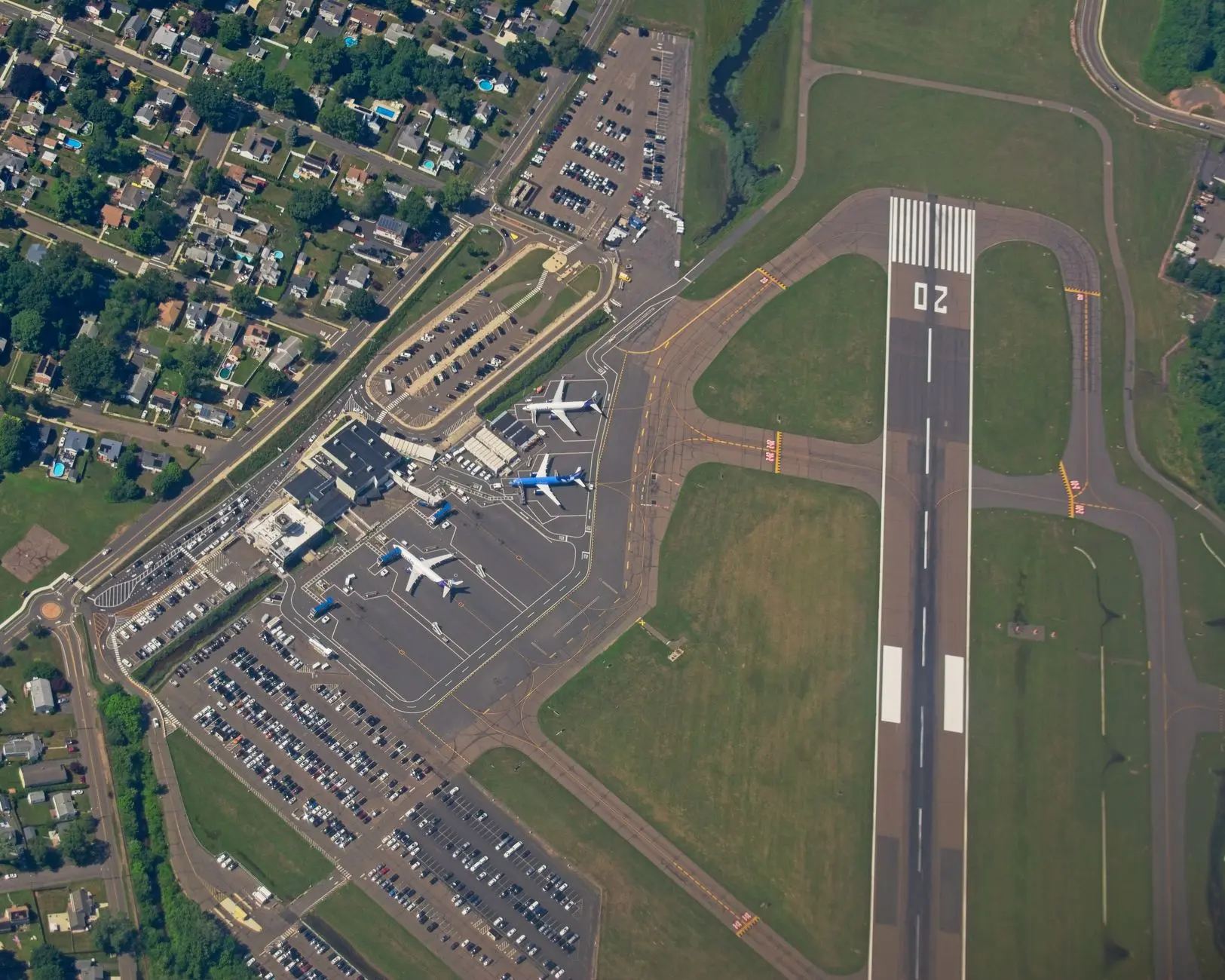
- Chronic underinvestment has eroded the capacity and reliability of US aviation infrastructure.
- Operational inefficiencies in airports and air traffic control systems impose significant economic costs.
- Security vulnerabilities stem from outdated facilities and fragmented oversight.
- Long-term consequences threaten US competitiveness in global aviation markets.
The Hidden Costs of America’s Aviation Infrastructure Neglect
What happened
Over recent decades, the United States has seen a steady decline in the robustness and modernization of its aviation infrastructure. This trend, driven by bipartisan reluctance to commit sustained funding, has left airports, air traffic control (ATC) systems, and related facilities increasingly outdated. The Financial Times recently highlighted how this systemic neglect manifests in rising delays, safety concerns, and infrastructure bottlenecks, despite the country’s position as a global aviation leader. The failure to upgrade critical components has resulted in frequent disruptions and operational inefficiencies that ripple across the economy.
Why it matters
The consequences of underinvestment extend far beyond passenger inconvenience. Delays and inefficiencies inflate costs for airlines, freight operators, and travelers alike, eroding the economic vitality connected to air transport. Furthermore, aging infrastructure contributes to security risks, as outdated terminals and fragmented regulatory frameworks struggle to keep pace with evolving threats. The cumulative effect undermines not only the reliability of US air travel but also national security and economic competitiveness. Given the centrality of aviation to commerce, tourism, and defense, these weaknesses pose strategic challenges.
Industry context
Globally, aviation infrastructure is recognized as a critical national asset requiring continuous investment. Countries such as China and several in Europe have pursued aggressive modernization programs, integrating advanced air traffic management technologies and expanding airport capacity. In contrast, US funding patterns have been inconsistent, with political divisions over budget priorities stymieing comprehensive reform. The Federal Aviation Administration (FAA) operates within constrained budgets, often forced to patch legacy systems rather than replace them. Additionally, the fragmented nature of airport ownership—often municipal or state entities—complicates coordinated upgrades. The result is a patchwork system vulnerable to capacity shortfalls and technological obsolescence.
Analysis
The interplay between political reluctance, institutional fragmentation, and technological lag creates a feedback loop that intensifies aviation infrastructure challenges. Policymakers face difficult trade-offs: investing heavily in modernization risks short-term fiscal pushback amid competing priorities, while postponement compounds long-term costs. The FAA’s NextGen air traffic control modernization, for example, has seen delays and budget overruns, illustrating the complexity of overhauling entrenched systems. Operationally, airports frequently operate at or near capacity, amplifying delays during peak periods. Moreover, security protocols are hampered by facilities ill-suited to contemporary threat environments, requiring costly workarounds. Economic analyses suggest that inefficiencies in the US aviation system cost tens of billions annually in lost productivity and increased operational expenses. Without decisive intervention, these trends will likely deteriorate further, eroding US leadership in global aviation.
What to watch next
Attention will focus on the upcoming federal infrastructure discussions and budget negotiations, where aviation funding could see renewed emphasis. The trajectory of the FAA’s modernization programs will also be critical, particularly whether technological upgrades can be delivered on time and within budget. Additionally, the evolving geopolitical landscape may pressure the US to accelerate infrastructure improvements to maintain strategic air mobility and security. Stakeholders will monitor how airport authorities and private sector partners engage with federal initiatives, potentially shaping a more coordinated investment approach. Ultimately, the capacity to reverse decades of neglect will hinge on political will and institutional agility in the face of mounting operational and economic imperatives.
Ask AI about this story
Answers are based on this article and SN Media’s related coverage. AI can make mistakes.
Frequently asked questions
What are the main consequences of underinvestment in US aviation infrastructure?
Underinvestment has led to operational inefficiencies, increased delays, security vulnerabilities, and economic costs that undermine the reliability, safety, and competitiveness of US air travel.
Why has US aviation infrastructure modernization lagged behind other countries?
Political divisions over budget priorities, fragmented airport ownership, and constrained FAA budgets have resulted in inconsistent funding and reliance on patching legacy systems rather than comprehensive upgrades.
What challenges does the FAA face in modernizing air traffic control systems?
The FAAu2019s NextGen modernization program has experienced delays and budget overruns, reflecting the complexity of updating entrenched systems amid limited resources and institutional fragmentation.
What factors will influence the future of US aviation infrastructure investment?
Upcoming federal infrastructure discussions, the progress of FAA modernization efforts, geopolitical pressures, and the coordination between airport authorities and private partners will shape the potential for reversing decades of neglect.
Continue the story
 BACKGROUND · How we got here
How US Air Traffic Control Outages Expose Vulnerabilities in National Infrastructure