








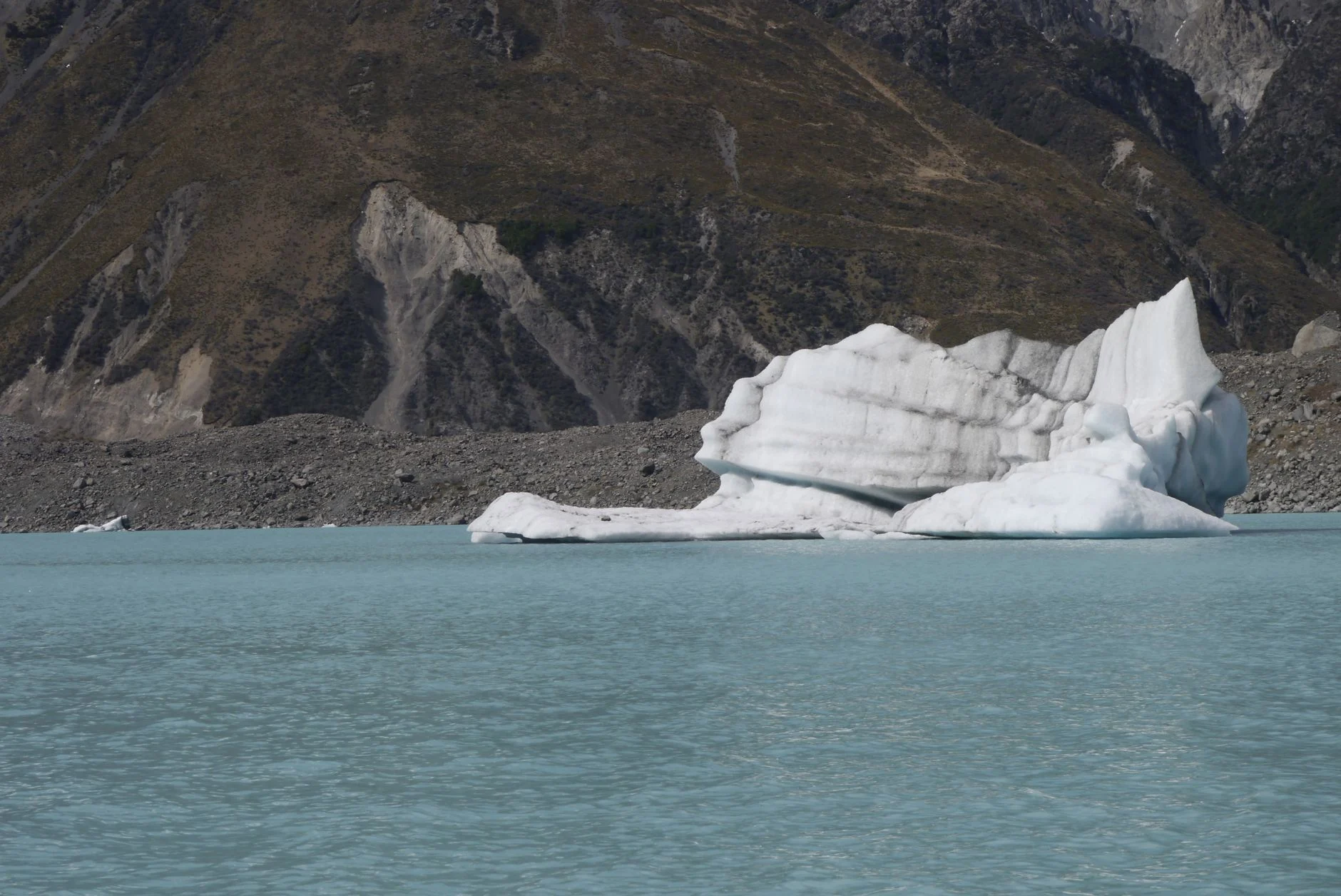
- The glacial collapse near Nepal’s border with China underscores vulnerabilities in Himalayan environmental management and cross-border disaster preparedness.
- Existing diplomatic frameworks between Nepal and China face renewed pressure to expand cooperation on climate resilience and emergency response.
- Infrastructure and humanitarian challenges reveal gaps between rapid environmental change and regional governance capacity.
- The disaster highlights broader strategic stakes for China’s Belt and Road Initiative amid growing scrutiny of transboundary ecological risks.
What happened
A significant glacial collapse occurred in late August 2026 near the border region between Nepal and China, triggering flash floods and widespread devastation downstream in Nepal’s mountainous districts. The sudden ice and debris flow overwhelmed local communities, leading to thousands reported missing and prompting urgent rescue operations. The disaster exposed the fragile nature of the Himalayan environment and the immediate human consequences of a rapidly warming mountain ecosystem. The affected area lies close to strategic transit corridors and culturally sensitive border zones, intensifying the complexity of the response.
Why it matters
This event transcends a natural disaster narrative, presenting a critical test for cross-border collaboration on environmental and humanitarian fronts. Nepal and China share a physically and politically sensitive boundary where ecological changes bear directly on bilateral relations and regional stability. The collapse not only threatens lives and livelihoods but also complicates efforts to manage shared water resources and infrastructure projects. Additionally, the disaster underscores the urgency for both nations to reconcile development ambitions with climate adaptation imperatives, particularly in a region where glacial retreat has accelerated in recent decades.
Industry context
The Himalayan glaciers represent both a vital freshwater source for millions and a geopolitical flashpoint. Nepal’s dependence on meltwater intersects with China’s upstream control and its infrastructure investments through the Belt and Road Initiative (BRI). Hydropower, road networks, and border trade corridors all hinge on stable environmental conditions. However, glacial hazards have often been an afterthought in regional planning, with limited integrated risk assessment or joint monitoring mechanisms. International development agencies and regional security forums have called for enhanced cooperation, yet progress remains uneven. This disaster spotlights the disconnect between growing climate risks and institutional readiness.
Analysis
The immediate humanitarian crisis reveals insufficient early warning systems and emergency logistics on both sides of the border. Nepal’s limited technical capacity contrasts with China’s expanding surveillance infrastructure, suggesting an asymmetry that complicates cooperation. Diplomatic engagement has historically been cautious, balancing sovereignty concerns with the need for pragmatic collaboration on Himalayan water governance. The disaster could catalyze a recalibration of this approach, pushing for more transparent data sharing and coordinated disaster response frameworks. However, geopolitical sensitivities around border demarcation and strategic influence in the region may slow substantive integration. Moreover, the event exposes the tension between China’s BRI-led infrastructure ambitions and the ecological fragility of the Himalayan watershed, raising questions about the sustainability of ongoing projects.
What to watch next
Attention will focus on whether Nepal and China elevate joint disaster risk reduction mechanisms and establish a formalized transboundary environmental monitoring regime. The evolution of their diplomatic dialogue in the aftermath may indicate broader shifts in regional governance models adapting to climate change. International actors, including multilateral development banks and climate organizations, may also play a more proactive role in fostering cooperation. Additionally, the disaster’s implications for infrastructure development, particularly hydropower and transport corridors under the BRI framework, warrant close scrutiny. How both countries balance urgent humanitarian needs with long-term environmental and geopolitical considerations will shape the stability and resilience of the Himalayas in the coming years.
Ask AI about this story
Answers are based on this article and SN Media’s related coverage. AI can make mistakes.
Frequently asked questions
What caused the recent disaster near Nepal's border with China?
A significant glacial collapse occurred near the border in late August 2026, triggering flash floods and widespread devastation downstream in Nepalu2019s mountainous districts.
How has the disaster affected Nepal-China relations?
The event has increased pressure on existing diplomatic frameworks to expand cooperation on climate resilience and emergency response, highlighting the need for better cross-border collaboration despite geopolitical sensitivities.
What challenges were revealed by the disaster response?
The crisis exposed gaps in early warning systems and emergency logistics, with Nepal having limited technical capacity compared to Chinau2019s more advanced surveillance, complicating joint disaster management efforts.
What are the broader implications for regional infrastructure and environmental governance?
The disaster raises concerns about the sustainability of Chinau2019s Belt and Road Initiative projects in the region, emphasizing the tension between development ambitions and the ecological fragility of the Himalayan watershed, and may prompt shifts toward more integrated environmental monitoring and risk reduction.
Continue the story
 LATEST
Strategic Implications of China’s Air-Sea Exercise Near Scarborough Shoal
LATEST
Strategic Implications of China’s Air-Sea Exercise Near Scarborough Shoal
- LATEST Strategic Implications of US ‘Permanent Control’ Over Greenland Security
- LATEST Climate Change and the Rhine: How Extreme Weather Disrupts European Supply Chains
- LATEST The Impact of Bolivia’s Half a Million Miners on Global Critical Minerals Supply
- LATEST US-Denmark Security Deal Redefines Arctic Military Strategy Amid Rising Geopolitical Tensions