







- Search and rescue in remote national parks involves logistical, environmental, and human resource challenges that complicate timely outcomes.
- Extended search durations, such as the eight days in Lily Hooper’s case, reflect the interplay of terrain, weather, and technological limitations.
- Coordination among multiple agencies and local communities is critical but often hindered by communication and jurisdictional complexities.
- Balancing resource allocation between preventive safety measures and reactive search efforts remains a persistent policy dilemma.
What happened
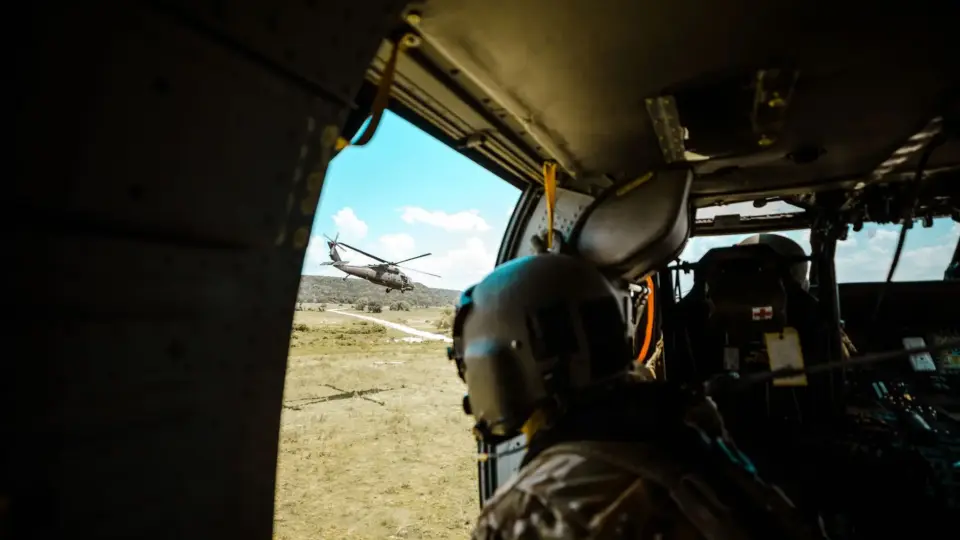
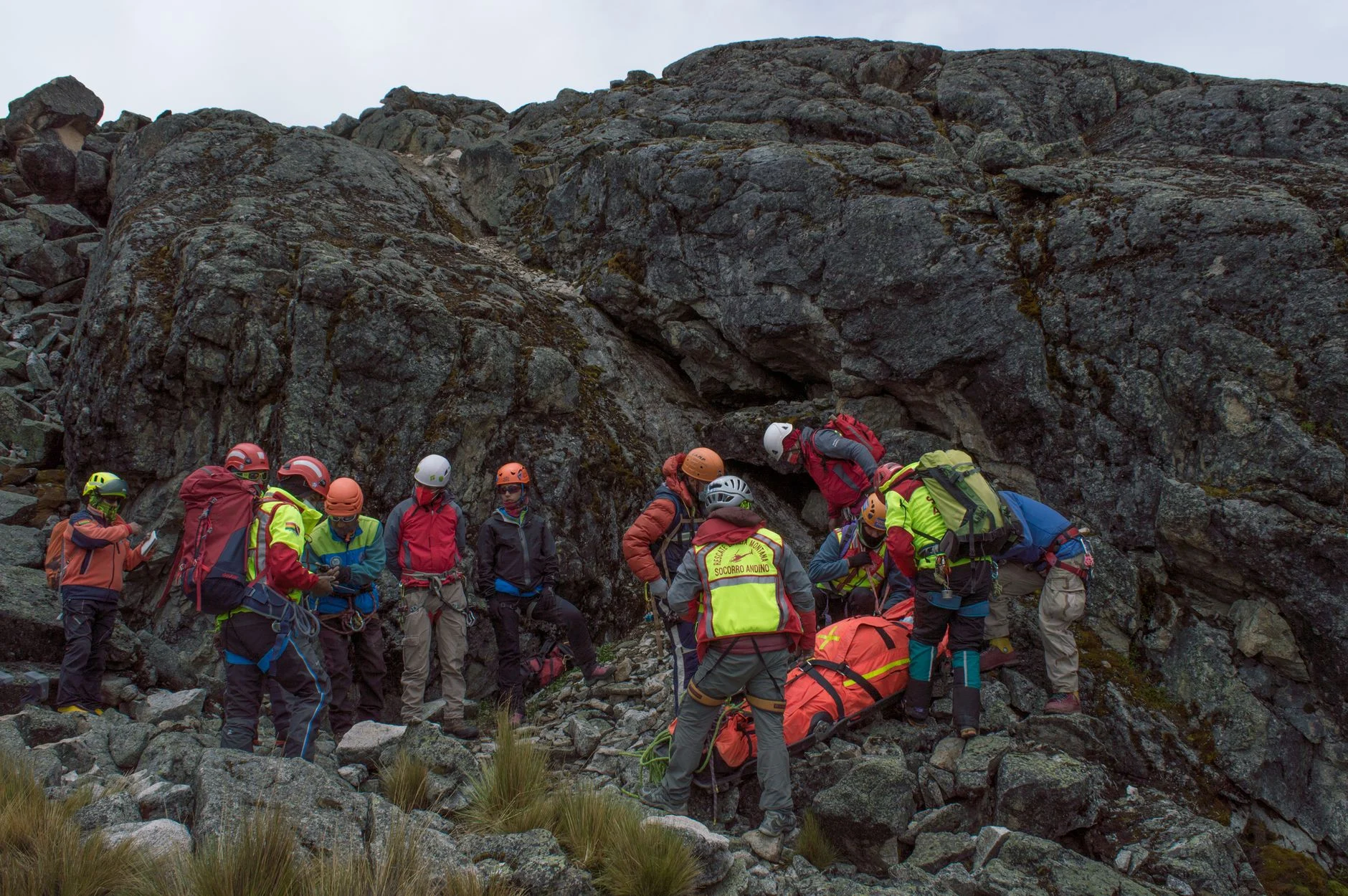
The eight-day search for Lily Hooper, a hiker who went missing in a remote national park, underscores the formidable challenges inherent in search and rescue (SAR) operations in wilderness areas. Despite deployment of specialized teams and aerial reconnaissance, locating Hooper proved elusive amid dense terrain and variable weather conditions. The operation mobilized multiple agencies, including park authorities, local law enforcement, and volunteer groups, reflecting the multifaceted response such incidents demand. This case is emblematic of the difficulties that arise when a person disappears in isolated natural settings where access is limited and environmental hazards abound.
Why it matters
Search and rescue missions in remote parks are not merely logistical exercises; they test the limits of emergency response capabilities and resource management. Each lost individual represents a high-stakes scenario where time is critical, yet the environment systematically impedes rapid progress. The implications extend beyond individual outcomes, influencing public confidence in park safety, shaping rescue protocols, and informing allocation of funding for both preventive and reactive measures. Understanding the constraints and trade-offs inherent in these operations is essential for policymakers, emergency planners, and conservation authorities tasked with safeguarding both visitors and natural habitats.
Industry context
The SAR sector in wilderness areas operates at the intersection of public safety, environmental stewardship, and jurisdictional complexity. Remote national parks often span vast, rugged landscapes that challenge conventional search methods. Technological tools such as drones, GPS tracking, and satellite communication have improved capabilities but remain limited by topography and weather. Agencies responsible for SAR frequently include a patchwork of federal, state, and local entities, alongside volunteer organizations. Funding and training disparities persist, particularly in less trafficked parks where the frequency of incidents does not always justify full-time dedicated resources. The balance between proactive visitor education and reactive rescue readiness continues to evolve within this context.
Analysis
The protracted search for Hooper reveals critical factors shaping SAR effectiveness. Terrain complexity slows ground teams, while unpredictable weather restricts aerial surveillance windows. Communication challenges arise as signal dead zones inhibit coordination among teams. Moreover, decision-making under uncertainty must weigh the diminishing probability of locating the missing person alive against escalating resource expenditure. The involvement of multiple stakeholders introduces coordination overhead, sometimes leading to duplication of effort or gaps in coverage. Notably, reliance on voluntary searchers, while valuable, introduces variability in skill levels and operational consistency. These dynamics illustrate a systemic tension between rapid mobilization and sustained, methodical search efforts.
The case also highlights broader strategic questions. Investment in preventive infrastructure, such as improved trail marking, real-time location tracking for hikers, and enhanced public safety messaging, could reduce incident frequency or severity. Conversely, escalating costs of SAR operations pressure agencies to optimize efficiency through technology integration and inter-agency protocols. The human factor—both in terms of lost individuals’ preparedness and the resilience of rescue personnel—remains a pivotal, if less quantifiable, element influencing outcomes.
What to watch next
Future developments in SAR operations will likely focus on integrating advanced technology with traditional methods to overcome environmental constraints. Innovations in satellite-based personal locator beacons and autonomous drone reconnaissance promise to shrink search times. However, their deployment will require addressing regulatory, privacy, and interoperability challenges across jurisdictions. Additionally, evolving climate patterns may increase the frequency of extreme weather events, complicating rescue logistics and necessitating adaptive strategies.
Policymakers and park authorities will also need to revisit resource allocation frameworks, balancing investment in visitor education and infrastructure against the unpredictable demands of search operations. The effectiveness of multi-agency collaboration models will remain under scrutiny, with potential reforms aimed at streamlining command structures and communication channels. Monitoring these trends will provide insight into how SAR capabilities evolve to meet the persistent risks posed by wilderness recreation in remote national parks.
Ask AI about this story
Answers are based on this article and SN Media’s related coverage. AI can make mistakes.
Frequently asked questions
What were the main challenges faced during the eight-day search for Lily Hooper?
The search was complicated by dense terrain, variable weather conditions, communication difficulties due to signal dead zones, and coordination challenges among multiple agencies and volunteer groups.
How do environmental factors affect search and rescue operations in remote national parks?
Terrain complexity slows ground teams, unpredictable weather limits aerial surveillance, and these environmental constraints systematically impede rapid progress in locating missing individuals.
What role do technology and inter-agency coordination play in improving search and rescue efforts?
Technological tools like drones, GPS, and satellite communication enhance capabilities but are limited by topography and weather, while coordination among various agencies is critical yet often hindered by communication and jurisdictional complexities.
What strategic considerations are highlighted by the article regarding future search and rescue operations?
The article emphasizes balancing investment in preventive measures such as trail marking and real-time tracking with optimizing reactive rescue efforts through technology and improved multi-agency collaboration, while also addressing regulatory and resource allocation challenges.
Continue the story
 LATEST
Global Health Security and the Risk of Plague Resurgence in Siberia
LATEST
Global Health Security and the Risk of Plague Resurgence in Siberia
- LATEST The Rising Security Concerns Impacting Live Country Music Events in the US
- LATEST Australia’s Medicare Breach: What It Means for National Cybersecurity
- LATEST The Administrative Fallout of Failed Executions in U.S. Prisons
- LATEST Australia’s Strategic Use of the UN to Highlight OpenAI Hack: A Geopolitical Analysis