






- US hesitance to directly confront Houthis complicates Saudi Arabia’s threat management calculus.
- Saudi defense strategy is pivoting toward diversified regional partnerships and autonomous capabilities.
- The evolving US-Saudi dynamic reflects broader shifts in Middle East security alignments and proxy conflict management.
- Future stability depends on Riyadh’s ability to recalibrate deterrence amid constrained American engagement.
What happened
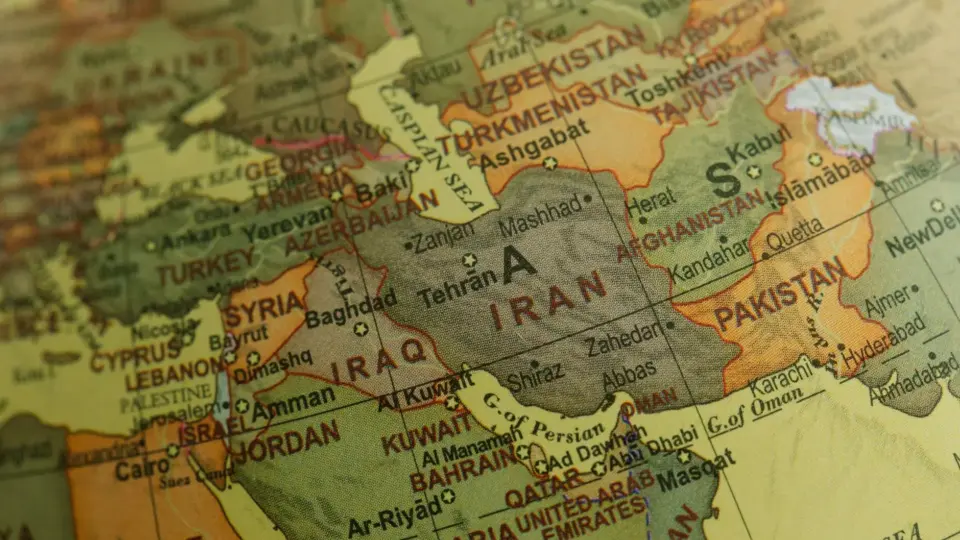
The United States has adopted a cautious stance toward direct military involvement against Yemen’s Houthi insurgents, signaling a deliberate reluctance to escalate its footprint in the conflict. This posture contrasts with Riyadh’s continued prioritization of countering the Houthis, who frequently launch missile and drone attacks targeting Saudi territory. Washington’s restraint stems from a complex calculus that weighs the risks of deeper entanglement against broader regional priorities, including managing relations with Iran and recalibrating US military commitments after Afghanistan. As a result, Saudi Arabia faces an evolving security environment where it cannot reliably depend on robust American intervention to neutralize the Houthi threat.
Why it matters
This shift in US engagement strategy has tangible consequences for Saudi Arabia’s defense planning. The kingdom must now navigate a more uncertain security landscape, where the traditional US-Saudi alliance no longer offers a consistent shield against asymmetric threats emanating from Yemen. The Houthis, backed by Iran, represent a persistent and adaptive adversary capable of inflicting damage on Saudi critical infrastructure and population centers. Riyadh’s ability to secure its borders and maintain internal stability hinges on its capacity to compensate for diminished American direct involvement, potentially requiring the reallocation of resources, recalibration of military strategy, and pursuit of alternative regional partnerships.
Industry context
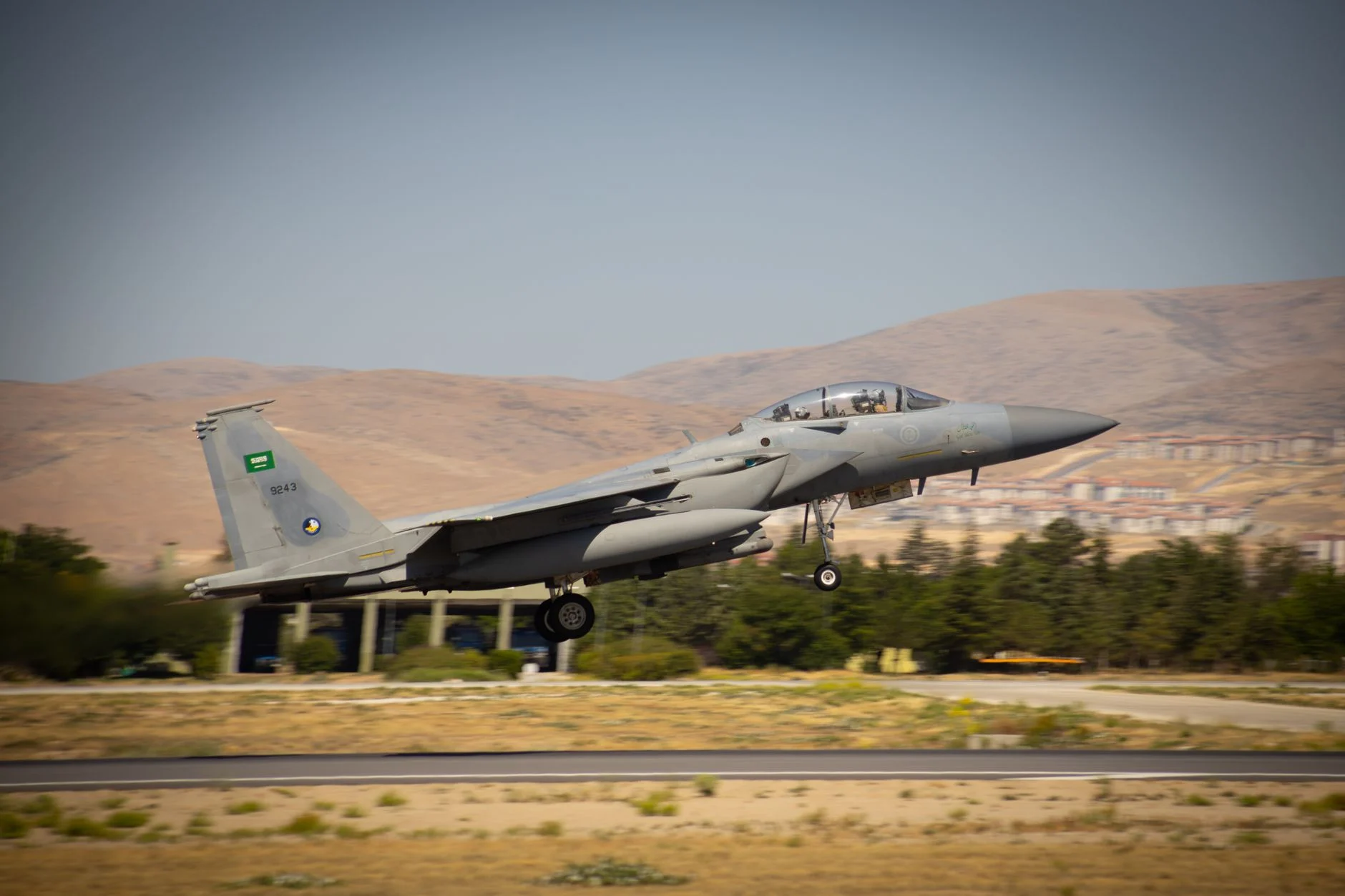
The US-Saudi security relationship has long been a cornerstone of Middle Eastern geopolitics, anchored in arms sales, intelligence sharing, and joint operational support. However, recent years have seen growing US ambivalence toward open-ended conflicts in the region, driven by shifting strategic priorities and domestic political pressures. Concurrently, the conflict in Yemen remains one of the most protracted and complex proxy wars, with Iranian patronage of the Houthis challenging Saudi attempts at containment. Within the defense industry, this dynamic influences procurement priorities, with Saudi Arabia increasingly investing in missile defense systems, drone technology, and autonomous capabilities to offset reliance on US military support.
Analysis
Saudi Arabia’s recalibration is emblematic of a broader regional realignment where local actors are compelled to enhance self-sufficiency amid fluctuating great power engagement. The kingdom’s pursuit of diversified alliances—potentially including deeper ties with Gulf Cooperation Council partners, Egypt, and even Russia or China—reflects a pragmatic response to Washington’s reticence. Moreover, Riyadh’s intensified focus on indigenous defense development seeks to address vulnerabilities exposed by repeated Houthi attacks, which have underscored the limitations of existing missile defense architectures. This strategic shift also signals a recognition that proxy conflicts in the region cannot be managed solely through external military intervention but require nuanced, multifaceted approaches encompassing diplomacy, intelligence, and calibrated force projection.
What to watch next
Key indicators to monitor include Saudi Arabia’s evolving procurement patterns, particularly acquisitions related to air defense and counter-drone technologies, which will illuminate how the kingdom prioritizes emerging threats. Additionally, the trajectory of Riyadh’s diplomatic engagement with regional and global powers will reveal the extent to which it seeks to offset diminished American direct involvement. On the US side, policy signals regarding Yemen and Iran will provide clues about future strategic calculations. Finally, developments on the ground in Yemen—specifically shifts in Houthi capabilities and tactics—will critically shape Saudi defense imperatives and the broader contest for influence in the Arabian Peninsula.
Ask AI about this story
Answers are based on this article and SN Media’s related coverage. AI can make mistakes.
Frequently asked questions
Why is the US reluctant to engage directly with the Houthis in Yemen?
The US is cautious about deeper military involvement due to concerns about escalating its footprint in the conflict, balancing risks against broader regional priorities such as relations with Iran and recalibrating military commitments after Afghanistan.
How is Saudi Arabia adjusting its defense strategy in response to reduced US involvement against the Houthis?
Saudi Arabia is diversifying regional partnerships, investing in autonomous defense capabilities like missile defense and drone technology, and recalibrating military strategy to compensate for less reliable American intervention.
What role do proxy conflicts and regional alliances play in the evolving US-Saudi security relationship?
Proxy conflicts, especially Iranian support for the Houthis, complicate Saudi containment efforts, prompting Riyadh to pursue diversified alliances beyond the US, including with Gulf states, Egypt, and possibly Russia or China, reflecting a broader regional realignment.
What future developments should be monitored to understand the impact of US reluctance on Saudi defense?
Key indicators include Saudi procurement trends in air defense and counter-drone systems, Riyadhu2019s diplomatic engagements with regional and global powers, US policy signals on Yemen and Iran, and changes in Houthi capabilities and tactics on the ground.
Continue the story
 LATEST
Geopolitical Implications of US Troop Surge in the Middle East
LATEST
Geopolitical Implications of US Troop Surge in the Middle East