








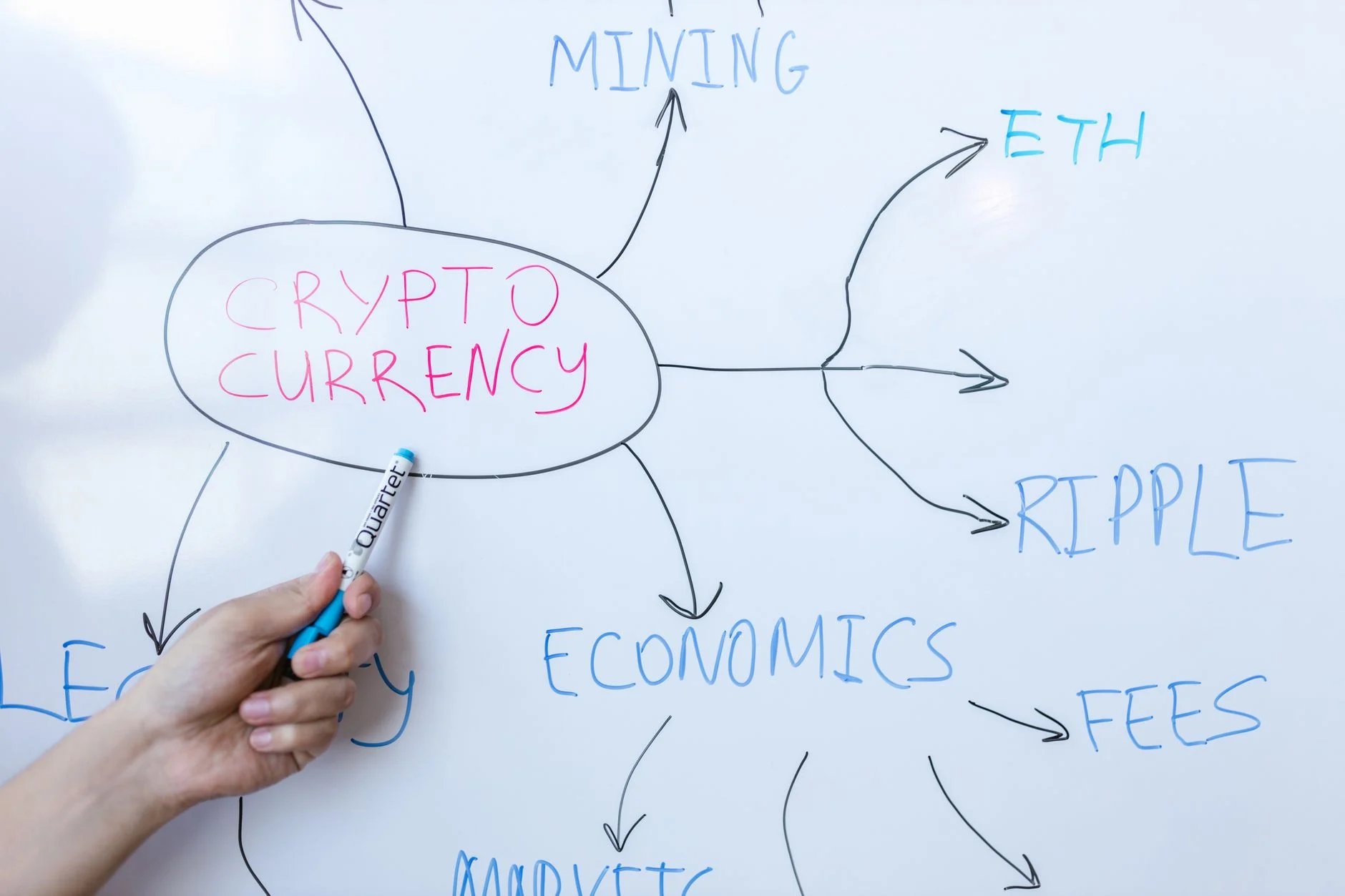
- US regulatory clarity has triggered a significant rally in crypto token prices, with gains up to 50%.
- The failure of comprehensive crypto legislation paradoxically reduced uncertainty by delineating enforcement boundaries.
- Market participants are recalibrating risk assessments amid clearer SEC and CFTC stances on token classifications.
- Investor focus is shifting from legislative outcomes to regulatory interpretations and enforcement patterns.
What happened
In recent weeks, major cryptocurrency tokens experienced sharp price increases, in some cases climbing by as much as 50%. This unexpected surge followed a series of regulatory developments in the United States, where attempts to pass sweeping crypto legislation stalled in Congress. Despite the legislative failure, regulators such as the Securities and Exchange Commission (SEC) and the Commodity Futures Trading Commission (CFTC) have issued clearer guidance and enforcement priorities. These moves have provided market participants with a more defined framework, effectively reducing uncertainty about how various tokens will be treated under existing laws.
Why it matters
Regulatory uncertainty has long been a dominant risk factor for the crypto market, often suppressing investment and innovation due to unpredictable enforcement. The recent developments highlight a paradox: the absence of new legislation, combined with explicit regulatory communication, can create a more stable environment than a protracted legislative process fraught with ambiguities. This regulatory clarity has enabled investors and issuers to recalibrate their strategies, underpinning renewed confidence and fueling a substantial price rally. Understanding this dynamic is critical for stakeholders attempting to navigate the evolving intersection of digital assets and regulatory frameworks.
Industry context
The crypto industry has been operating in a regulatory gray zone, especially in the US, where classification of tokens as securities or commodities significantly impacts compliance requirements. Prior to this episode, legislative attempts such as the Cryptocurrency Regulation and Oversight Act faced gridlock, leaving market participants to interpret fragmented and sometimes contradictory regulatory signals. The SEC has historically taken an assertive stance against tokens deemed securities without registration, while the CFTC’s jurisdiction over commodities futures and derivatives has gradually expanded. This jurisdictional interplay has complicated compliance efforts and contributed to market volatility.
Analysis
The surge in token prices can be traced to regulators’ more explicit delineation of their enforcement priorities rather than the introduction of new rules. The SEC’s recent public statements clarified that certain categories of tokens—particularly those with decentralized governance or utility functions—may fall outside the traditional securities definition. Concurrently, the CFTC has emphasized its role in overseeing derivatives and market manipulation, implicitly limiting overlap with the SEC. This dual clarity reduces the risk premium previously priced into many tokens. Investors and issuers are now able to better assess which tokens face heightened enforcement risk and which enjoy a more permissive environment.
This shift also reflects a broader institutional learning curve. Regulators appear to be adapting their approaches to accommodate blockchain’s decentralized realities without compromising investor protections. Market participants respond not only to formal rules but to enforcement patterns and interpretative guidance. Consequently, the failure of legislation has not frozen progress but has instead accelerated market adaptation to existing regulatory frameworks.
What to watch next
Future developments will hinge on how consistently regulators apply their articulated priorities and whether new legislative proposals emerge to codify these interpretations. The SEC and CFTC’s enforcement actions in the coming quarters will serve as critical signals for market confidence. Additionally, evolving case law from courts reviewing regulatory challenges could further shape the landscape. Internationally, regulatory approaches in jurisdictions such as the EU and Singapore may influence US policy by setting competitive benchmarks.
Investors should monitor the maturation of compliance frameworks and the emergence of standardized token classifications. Market dynamics will also be affected by technological innovation in token design, which may seek to exploit regulatory nuances. Ultimately, the ongoing interplay between regulatory clarity and market innovation will determine whether recent price gains prove sustainable or episodic.
Ask AI about this story
Answers are based on this article and SN Media’s related coverage. AI can make mistakes.
Frequently asked questions
How did the failure of major crypto legislation lead to increased token prices?
The failure reduced uncertainty by prompting regulators like the SEC and CFTC to issue clearer guidance and enforcement priorities, which helped market participants better understand token classifications and risks, thereby boosting investor confidence and token prices.
What specific regulatory clarifications have the SEC and CFTC provided?
The SEC clarified that certain tokens with decentralized governance or utility functions may not be considered securities, while the CFTC emphasized its jurisdiction over derivatives and market manipulation, reducing overlap with the SEC and delineating enforcement boundaries.
Why is regulatory clarity important for the crypto market according to the article?
Regulatory clarity reduces the risk premium investors price into tokens by providing a more stable environment, allowing investors and issuers to recalibrate strategies and fostering renewed confidence and market activity.
What future factors could influence whether the recent surge in token prices is sustained?
Consistency in regulatory enforcement by the SEC and CFTC, potential new legislation codifying current interpretations, evolving case law, international regulatory developments, and technological innovation in token design are all factors that could affect the sustainability of the price gains.
Continue the story
 LATEST
Balancing Act: How Rising Yields Threaten the AI-Driven Tech Rally on Wall Street
LATEST
Balancing Act: How Rising Yields Threaten the AI-Driven Tech Rally on Wall Street