




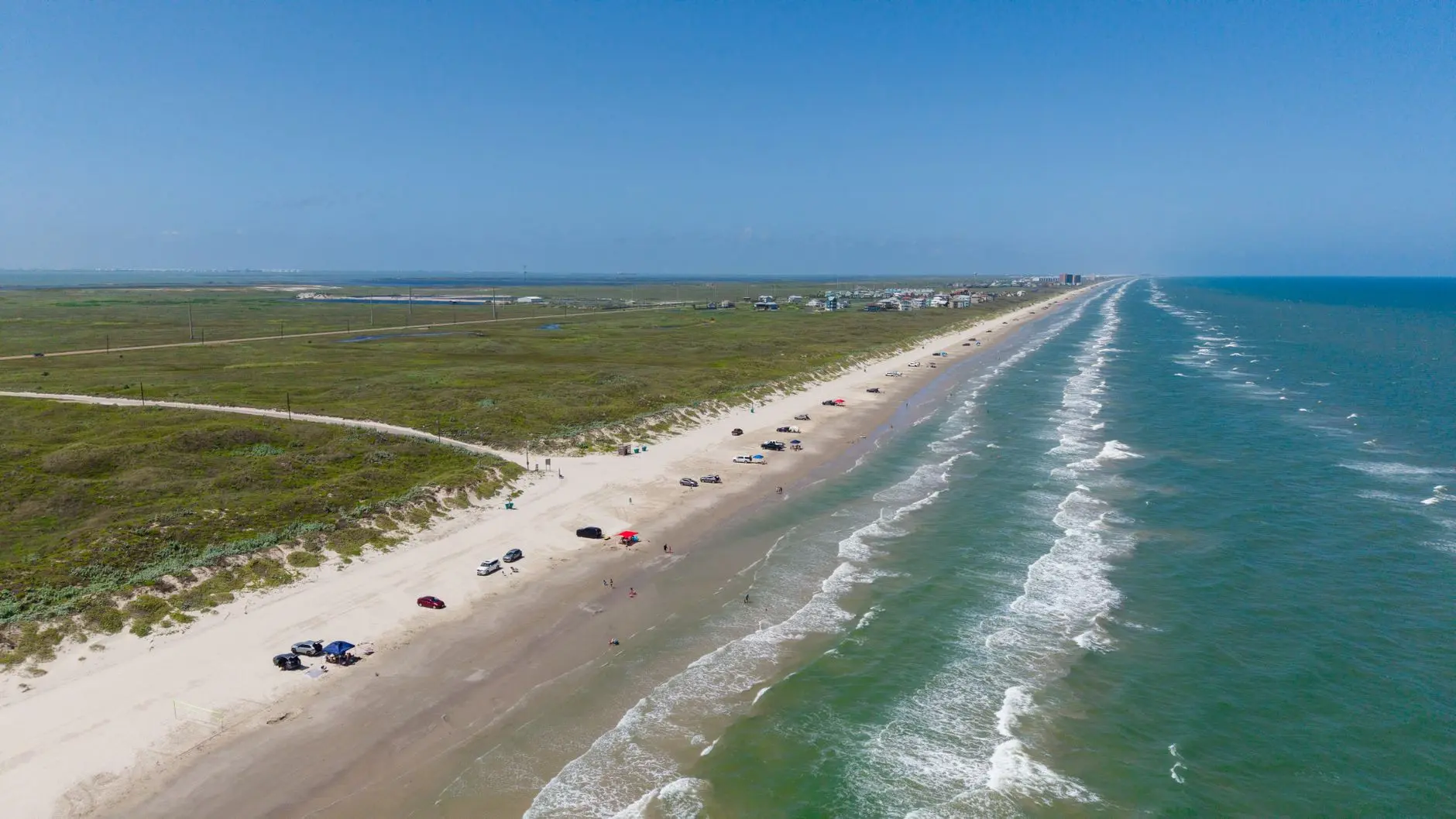
- Hurricane Isaias triggered widespread power outages due to outdated infrastructure and insufficient storm-hardening measures along the Gulf Coast.
- Coordination gaps among utilities, emergency services, and regulatory bodies exacerbated response times and recovery efforts.
- Existing regulatory frameworks have not adequately incentivized investments in grid modernization and climate-resilient technologies.
- Strategic integration of decentralized energy resources and advanced grid management could mitigate future vulnerabilities.
What happened
Hurricane Isaias struck the Gulf Coast with significant force, disrupting power supplies across multiple states and leaving hundreds of thousands of residents without electricity. The storm’s high winds and flooding damaged critical components of the regional power grid, including substations, transmission lines, and distribution networks. Utility companies reported outages that persisted for days, with some rural and economically disadvantaged communities experiencing prolonged blackouts. The scale and duration of these outages exposed the fragility of an aging infrastructure ill-prepared for increasingly frequent and severe weather events.
Why it matters
Reliable electricity is foundational to public safety, economic continuity, and social stability, especially during natural disasters. The widespread outages following Isaias underscored systemic weaknesses that extend beyond isolated equipment failures. Without substantial upgrades, the Gulf Coast remains vulnerable to climate-induced disruptions, threatening critical services such as hospitals, water treatment, and emergency communication systems. The event also revealed that the current balance between cost containment and infrastructure resilience favors short-term operational efficiency over long-term reliability, with significant societal costs.
Industry context
The Gulf Coast’s power grid is characterized by a patchwork of investor-owned utilities, municipal providers, and cooperatives operating under diverse regulatory regimes. Many of these entities inherited infrastructure originally designed for less volatile climatic conditions and lower peak demand profiles. Federal and state-level regulations have historically emphasized affordability and service reliability but have been slow to integrate mandates for climate adaptation. Moreover, the traditional centralized grid model struggles to incorporate distributed energy resources (DERs) at scale, limiting flexibility in disaster response and recovery.
Analysis
The vulnerabilities laid bare by Hurricane Isaias result from a confluence of technological, institutional, and economic factors. Technologically, critical assets such as overhead lines and transformers remain exposed to wind and water damage, while insufficient investment in smart grid technologies restricts real-time situational awareness. Institutionally, fragmented coordination among utilities and emergency responders has impeded efficient outage management and resource deployment. Economically, regulatory frameworks often penalize utilities for capital expenditures that do not yield immediate ratepayer benefits, disincentivizing proactive resilience measures.
Addressing these challenges requires rethinking grid design and governance. Hardening physical infrastructure through undergrounding lines or reinforcing poles must be complemented by advanced grid management systems that enable rapid fault detection and isolation. Integrating DERs, including solar and battery storage, can provide localized resilience, reducing dependency on vulnerable transmission corridors. Regulatory reforms should align utility incentives with resilience outcomes, incorporating risk-based planning and performance metrics that reflect climate realities.
What to watch next
The response to Hurricane Isaias may catalyze policy and investment shifts across the Gulf Coast’s power sector. Stakeholders will be closely observing state public utility commissions and federal agencies for any regulatory adjustments promoting resilience investments. The deployment of emerging technologies, such as grid-edge analytics and microgrids, will serve as indicators of progress in modernization efforts. Additionally, the pace and inclusiveness of recovery efforts will reveal whether lessons from Isaias translate into more equitable infrastructure planning. Future storm seasons will test the effectiveness of any implemented changes, shaping the region’s energy security for years to come.
Ask AI about this story
Answers are based on this article and SN Media’s related coverage. AI can make mistakes.
Frequently asked questions
What were the main causes of power outages during Hurricane Isaias in the Gulf Coast?
The outages were primarily caused by outdated infrastructure and insufficient storm-hardening measures, with damage to substations, transmission lines, and distribution networks exacerbated by high winds and flooding.
How did coordination among utilities and emergency services affect the response to the outages?
Coordination gaps among utilities, emergency services, and regulatory bodies worsened response times and recovery efforts, impeding efficient outage management and resource deployment.
What regulatory challenges contribute to the Gulf Coast power grid's vulnerability?
Existing regulatory frameworks have not adequately incentivized investments in grid modernization and climate-resilient technologies, often penalizing utilities for capital expenditures that do not yield immediate ratepayer benefits.
What solutions does the article suggest to improve the resilience of the Gulf Coast power grid?
The article recommends hardening physical infrastructure, integrating decentralized energy resources like solar and battery storage, adopting advanced grid management systems, and implementing regulatory reforms that align utility incentives with resilience outcomes.
Continue the story
 BACKGROUND · How we got here
Economic Impact of the Nor’easter on East Coast Businesses and Infrastructure
BACKGROUND · How we got here
Economic Impact of the Nor’easter on East Coast Businesses and Infrastructure
- BACKGROUND · How we got here How California’s Early October Heatwave Is Stressing the Power Grid
- BACKGROUND · How we got here Infrastructure Vulnerabilities Exposed by Cable Cut Disrupting Major US Airports
- BACKGROUND · How we got here Urban Infrastructure Challenges Exposed by Flash Flooding in Tri-State Area
- BACKGROUND · How we got here How Rising Energy Costs Are Reshaping Northern Ireland’s Economic Landscape