








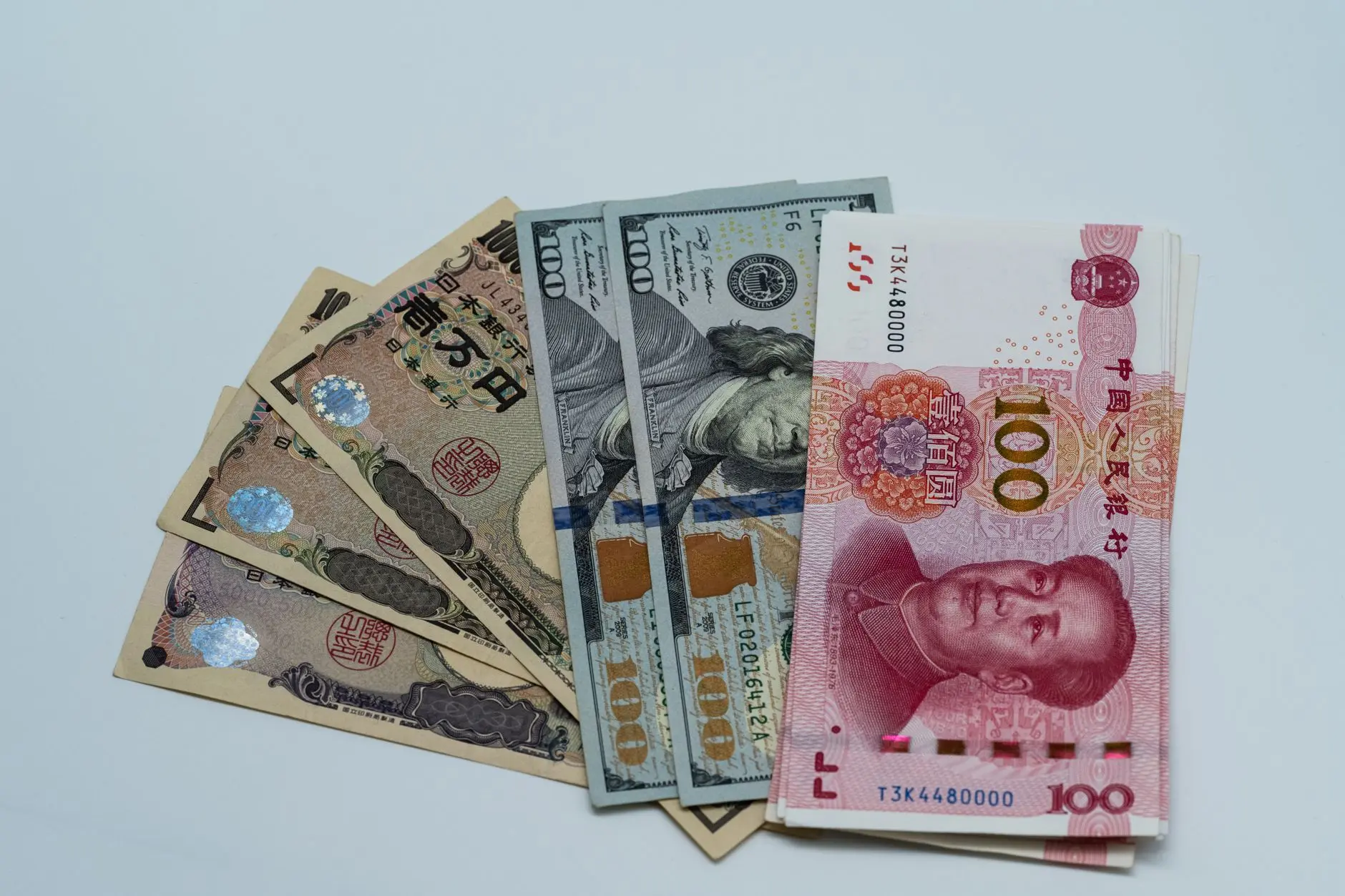
- US interest rate hikes have intensified the dollar’s appreciation against major currencies.
- Dollar strength is exerting pressure on emerging market currencies and trade balances.
- Global capital flows are adjusting, with implications for debt servicing costs and financial stability.
- Central banks worldwide face complex policy trade-offs amid tightening US monetary conditions.
What Happened
The US Federal Reserve’s decision to maintain a hawkish stance, signaling further interest rate increases, has catalyzed a pronounced rally in the US dollar. Market expectations of sustained higher yields on dollar-denominated assets have attracted capital flows into the United States, strengthening the greenback against a broad basket of global currencies. This shift has been particularly evident in the depreciation of emerging market currencies and some major developed-market peers, reflecting diverging monetary policy paths and differing economic fundamentals.
Why It Matters
The appreciation of the US dollar reshapes the global economic landscape by influencing trade competitiveness, debt dynamics, and financial market stability. A stronger dollar raises the local currency cost of servicing dollar-denominated debt, a significant burden for many emerging economies. It also affects global trade balances by making US exports more expensive and imports cheaper, potentially widening the US trade deficit and impacting partner countries’ export revenues. Moreover, the dollar’s strength signals shifting investor risk appetites and capital allocation priorities, which can propagate volatility across international financial markets.
Industry Context
The current dollar rally emerges amid a complex backdrop of post-pandemic recovery, persistent inflationary pressures, and geopolitical tensions. Central banks globally are navigating the dual mandate of inflation control and growth support, yet their policy responses vary widely. While the Fed pursues aggressive tightening, other major central banks, such as the European Central Bank and the Bank of Japan, have adopted more cautious or divergent approaches. This divergence exacerbates currency volatility and challenges emerging markets that rely heavily on dollar financing. Additionally, global supply chain disruptions and energy price fluctuations continue to shape economic trajectories, further complicating monetary policy coordination.
Analysis
The mechanisms driving the dollar’s strength are multifaceted. Higher US interest rates increase the return on dollar assets, incentivizing investors to reallocate capital from riskier or lower-yielding currencies. This capital reallocation is not merely speculative but reflects fundamental shifts in growth and inflation expectations. The Fed’s forward guidance and credible inflation-fighting resolve have reinforced trust in dollar assets as a safe haven amid global uncertainties. However, this dynamic imposes trade-offs: emerging markets face tighter financial conditions, higher inflation imported through currency depreciation, and the risk of capital flight. These pressures may force some central banks to tighten policy prematurely or exhaust their foreign exchange reserves, heightening financial fragility.
Meanwhile, the stronger dollar influences corporate strategies and trade flows. US multinational firms encounter both headwinds and benefits: costs of imported inputs may decline, but export competitiveness is challenged. Global supply chains may adjust pricing and sourcing decisions in response to currency movements, potentially altering trade patterns. The interplay between currency valuations and monetary policy divergence underscores the interconnectedness of global financial systems and the limits of national policy autonomy in a highly integrated economy.
What to Watch Next
Key indicators to monitor include the trajectory of US interest rates and inflation data, which will dictate the Fed’s policy path and thus the dollar’s direction. Emerging market vulnerability metrics—such as external debt levels, foreign exchange reserves, and inflation rates—will signal potential stress points in the global financial system. Additionally, responses from other central banks, including any shifts toward tighter monetary conditions, will influence currency market equilibria. Geopolitical developments and commodity price trends also remain critical variables, as they can amplify or mitigate currency movements. The evolving interplay between these factors will determine whether the current dollar rally stabilizes or triggers broader systemic adjustments.
Ask AI about this story
Answers are based on this article and SN Media’s related coverage. AI can make mistakes.
Frequently asked questions
What has caused the recent rally in the US dollar?
The rally is driven by the US Federal Reserveu2019s hawkish stance and expectations of further interest rate increases, attracting capital flows into dollar-denominated assets and strengthening the currency against others.
How is the stronger US dollar affecting emerging market economies?
Emerging markets face higher local currency costs for servicing dollar-denominated debt, tighter financial conditions, inflation pressures from currency depreciation, and risks of capital flight, which may force premature policy tightening or depletion of foreign exchange reserves.
What are the implications of the dollaru2019s strength for global trade?
A stronger dollar makes US exports more expensive and imports cheaper, potentially widening the US trade deficit and impacting export revenues of partner countries, while also influencing corporate strategies and supply chain pricing decisions globally.
What factors should be monitored to understand the future direction of the dollar rally?
Key factors include US interest rate and inflation trends, emerging market vulnerabilities like debt and reserves, policy responses from other central banks, geopolitical developments, and commodity price movements, all of which will shape currency market dynamics and financial stability.
Continue the story
 LATEST
How Rising US Interest Rates Are Shaping the Dollar’s Trajectory in 2024