








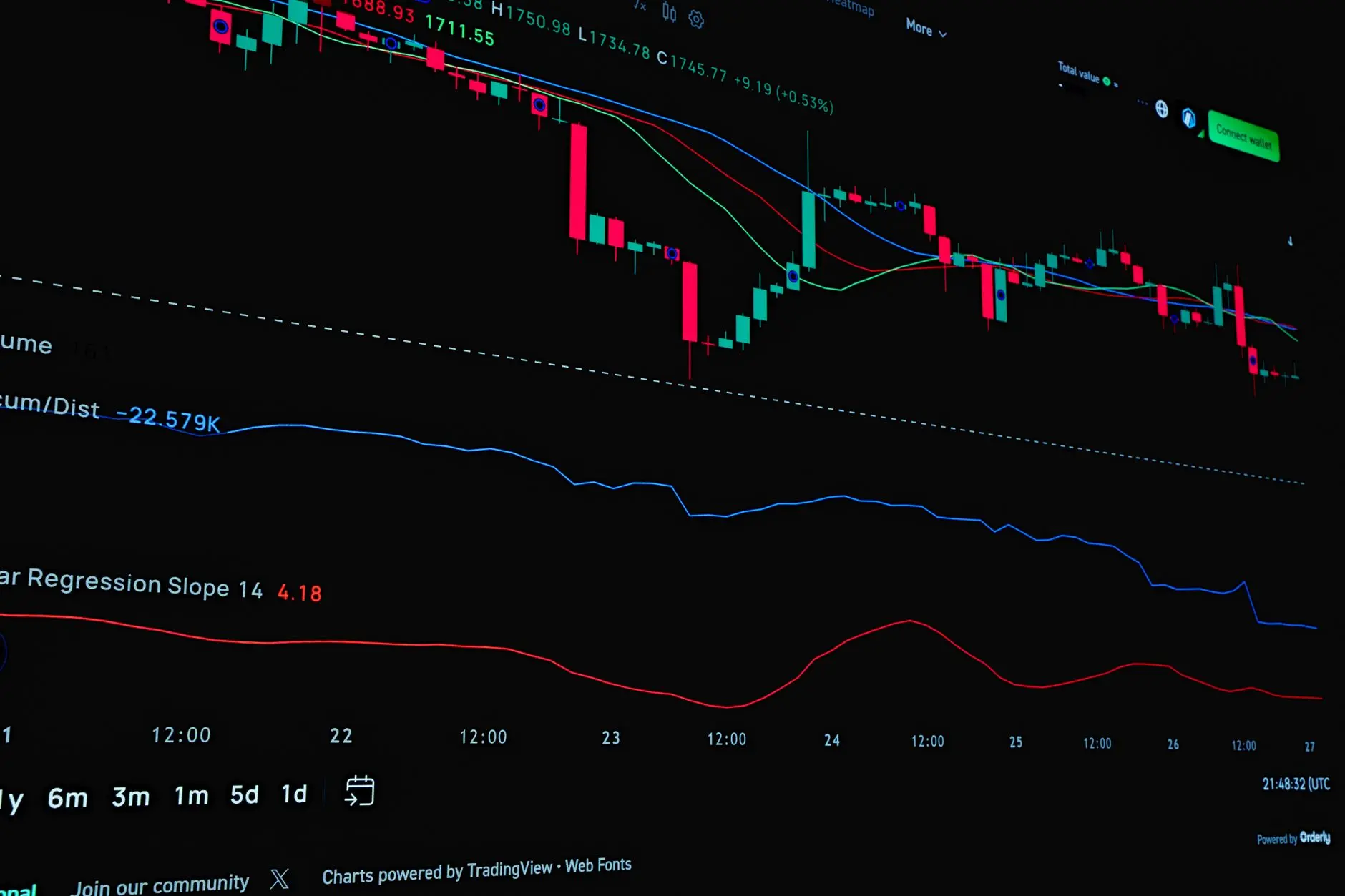
- U.S. Treasury yields have surged beyond recent peaks, unsettling global fixed income markets.
- Higher yields increase borrowing costs and reduce the appeal of riskier assets internationally.
- Inflation persistence and Federal Reserve policy tightening underpin the yield climb.
- Investors face complex trade-offs balancing income, duration risk, and currency exposure amid uncertainty.
What happened
In November 2026, U.S. Treasury yields experienced a sharp upward shift, breaking above levels that many market participants had considered a near-term ceiling. The benchmark 10-year Treasury note yield surpassed 5%, a level unseen since the early 2000s, prompting a reconsideration of risk and return paradigms across global bond markets. This movement disrupted the tentative stabilization seen earlier in the year, as investors digested the implications of sustained Federal Reserve tightening and resilient inflation data. The surge did not occur in isolation; it coincided with a broad repricing of fixed income assets worldwide, reflecting the interconnected nature of sovereign debt markets and the pivotal role U.S. Treasuries play as a global benchmark.
Why it matters
Rising Treasury yields signal an increase in the fundamental cost of capital, with far-reaching consequences for governments, corporations, and investors. For international investors, higher yields in the U.S. complicate portfolio allocation decisions by altering relative value calculations between domestic and foreign assets. The yield climb compresses bond prices, erodes existing fixed income returns, and raises the hurdle rate for new investments. Additionally, as Treasury yields rise, the attractiveness of emerging market debt and riskier credit segments diminishes, potentially triggering capital outflows from these more vulnerable borrowers. The shift also heightens refinancing risks and debt servicing burdens for countries and companies with dollar-denominated liabilities, magnifying systemic vulnerabilities in a tightly interconnected financial system.
Industry context
This yield surge unfolds against a backdrop of persistent inflation pressures and a Federal Reserve committed to a restrictive monetary stance. While inflation has moderated from peak levels, core price increases remain above target, prompting the Fed to maintain elevated policy rates. Other major central banks have followed suit, albeit with varying degrees of hawkishness, contributing to a synchronized tightening cycle. The bond market rout that began in 2022 has evolved through multiple phases, with episodic rallies offset by renewed selling driven by economic data and geopolitical factors. Global investors have contended with a recalibration of expectations, shifting from a long period of low interest rates that supported extended duration strategies and risk-taking, to an environment where yield curves steepen and volatility reemerges.
Analysis
The persistence of higher Treasury yields reflects a complex interplay of monetary policy, inflation dynamics, and market psychology. The Federal Reserve’s commitment to curbing inflation through restrictive policy limits the scope for a near-term pivot, reinforcing upward pressure on yields. Inflation expectations, although tempered, have not collapsed, indicating ongoing risks around wage growth and supply chain disruptions. Market positioning also contributes; with many investors still holding long-duration assets accumulated during years of declining rates, the adjustment process involves significant portfolio rebalancing. Moreover, the global demand for safe assets faces headwinds as central banks reduce reserves accumulated during the pandemic, and fiscal deficits remain substantial. Currency fluctuations add another layer of complexity, influencing cross-border flows and hedging costs. These factors collectively produce a challenging environment for fixed income investors, forcing a reassessment of risk premia and strategic asset allocation.
What to watch next
Market participants will closely monitor inflation data and Federal Reserve communications for signals of policy trajectory shifts. The potential for a policy error—either overtightening that stifles growth or premature easing that reignites inflation—remains a critical risk factor. Emerging market vulnerabilities require scrutiny, particularly in countries with heavy dollar debt exposure facing higher refinancing costs. Additionally, the evolution of global central bank reserve management strategies may influence demand for U.S. Treasuries and other sovereign bonds. On the investor side, developments in inflation-linked securities, duration hedging tools, and currency strategies will be key to navigating the evolving landscape. Ultimately, the interplay between monetary policy, inflation trends, and geopolitical developments will shape the path of Treasury yields and the broader fixed income market in the coming quarters.
Ask AI about this story
Answers are based on this article and SN Media’s related coverage. AI can make mistakes.
Frequently asked questions
What caused the recent surge in U.S. Treasury yields beyond previous peaks?
The surge was driven by persistent inflation pressures and the Federal Reserve's commitment to restrictive monetary policy, alongside resilient inflation data and a broad repricing of fixed income assets globally.
How does the rise in Treasury yields affect global investors and markets?
Higher Treasury yields increase borrowing costs, reduce the appeal of riskier assets, compress bond prices, and complicate portfolio allocation decisions by altering relative values between domestic and foreign assets, while also raising refinancing risks for dollar-denominated debt holders.
What are the main risks and uncertainties investors should watch going forward?
Investors should monitor inflation data and Federal Reserve signals for policy shifts, the risk of policy errors, vulnerabilities in emerging markets with heavy dollar debt, changes in central bank reserve management, and developments in inflation-linked securities and currency strategies.
Why have Treasury yields remained elevated despite some moderation in inflation?
Although inflation has moderated from peak levels, core price increases remain above target and inflation expectations have not collapsed, combined with ongoing Federal Reserve tightening and market positioning that sustains upward pressure on yields.
Continue the story
 LATEST
How Treasury Yields Reflect Shifting Global Risk Sentiment