



- Rising interest rates have increased borrowing costs, directly curtailing consumer credit usage.
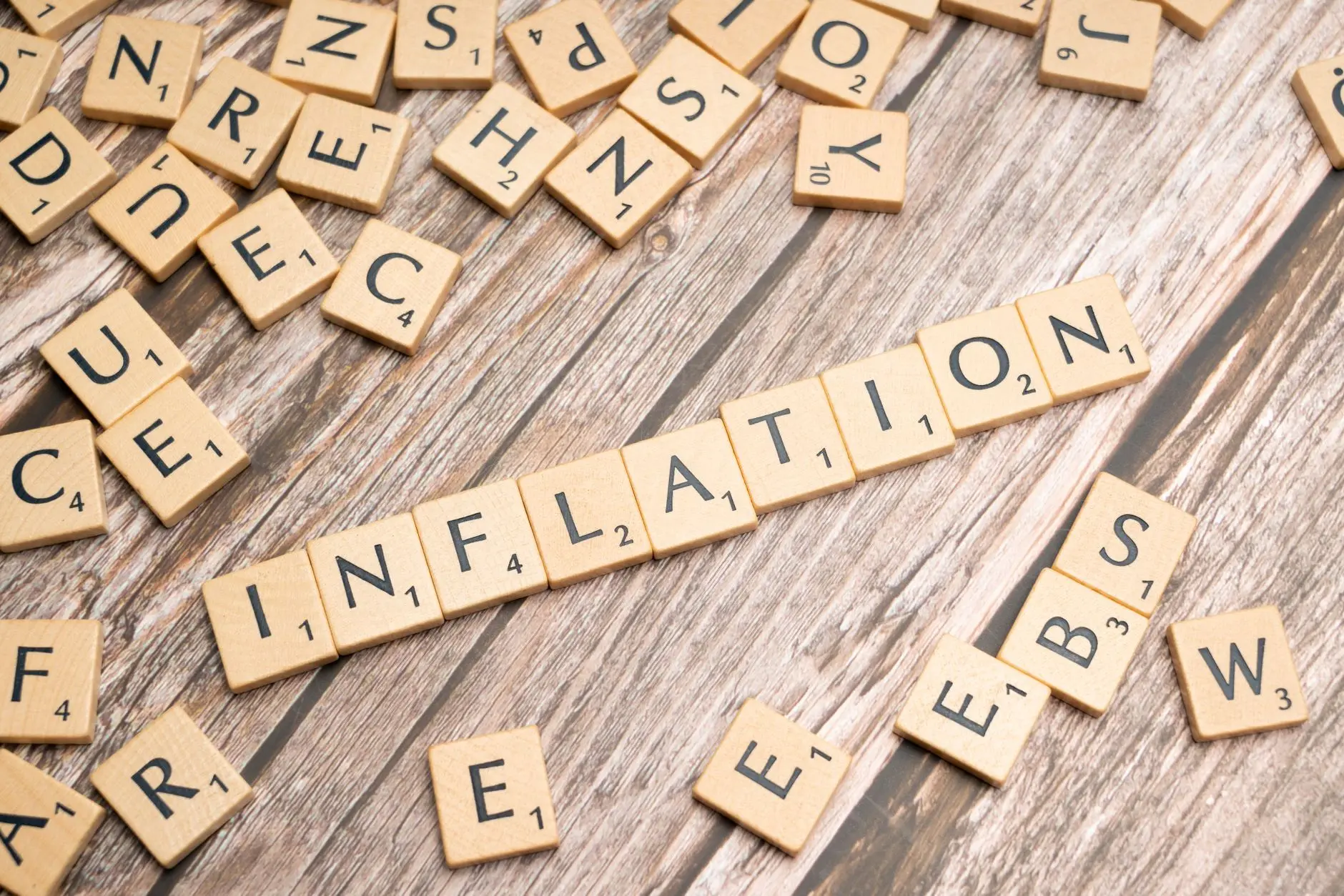
- Persistent inflation erodes real income, prompting a shift toward essential goods and away from discretionary spending.
- Household saving rates are rising as consumers prioritize financial resilience amid economic uncertainty.
- Sectoral shifts reveal uneven impacts, with durable goods and luxury markets contracting more sharply than services.
What happened
Over the past year, the United States has experienced a confluence of persistent inflation and a series of interest rate hikes implemented by the Federal Reserve. Inflation, while moderating from its peak, remains elevated compared to pre-pandemic levels, sustaining upward pressure on everyday prices. Concurrently, the Federal Reserve’s monetary tightening has pushed benchmark interest rates higher, increasing the cost of borrowing for consumers. Together, these dynamics have led to measurable adjustments in American consumer behavior, as revealed by recent surveys and spending data. Consumer sentiment has declined to a five-month low, reflecting growing caution and a recalibration of purchasing priorities under tighter financial conditions.
Why it matters
Consumer spending constitutes approximately two-thirds of the US gross domestic product, making shifts in consumer behavior a critical barometer of economic health. Inflation’s erosion of purchasing power reduces discretionary income, while higher interest rates increase debt servicing burdens. This combination risks dampening consumption growth, which could slow overall economic expansion and potentially tip the economy toward recessionary conditions. Understanding how consumers adapt their spending and saving habits in response to these pressures is vital for policymakers, businesses, and investors aiming to navigate the evolving macroeconomic landscape.
Industry context
The US economy is adjusting from an unprecedented pandemic-induced stimulus environment to a more constrained financial climate. Early in 2024, the Federal Reserve accelerated interest rate increases to combat inflation, which had surged due to supply chain disruptions, labor shortages, and energy price volatility. While inflation has shown signs of easing, it remains above the Fed’s 2% target, justifying continued monetary restraint. Industries reliant on discretionary spending—such as automotive, electronics, and luxury retail—have felt early impacts as consumers pare back large purchases. Conversely, sectors providing essential goods and services, including groceries and healthcare, have maintained steadier demand, underscoring the differentiated effects within the consumer economy.
Analysis
Higher interest rates have a direct and immediate effect on consumer credit markets. Auto loans, credit card balances, and mortgage refinancing have all become more expensive, which suppresses demand for financed consumption. This phenomenon is reflected in slowing vehicle sales and reduced credit card spending growth. Inflation compounds this by reducing real disposable income, forcing households to prioritize spending on necessities such as food, housing, and utilities. This recalibration is evident in rising sales of lower-priced and private-label goods, as well as increased coupon usage.
Meanwhile, consumer saving rates have edged upward, signaling a shift toward precautionary saving amid economic uncertainty. This behavior contrasts with the low saving rates observed during the stimulus-driven recovery phase. Households appear to be rebuilding financial buffers in response to volatile markets and concerns about employment stability.
The uneven impact across sectors suggests that the aggregate consumer spending figures mask important nuances. Durable goods, often purchased on credit, are more sensitive to interest rate hikes than services paid for upfront. The luxury market, reliant on discretionary income and consumer confidence, has also contracted noticeably. This sectoral divergence suggests that broader economic recovery depends not only on overall consumer confidence but also on the resilience of wage growth and employment conditions in lower- and middle-income demographics.
What to watch next
Future developments will hinge on inflation trajectories, Federal Reserve policy decisions, and the labor market’s strength. Should inflation decline steadily toward the target range, it may allow for a pause or reduction in interest rates, potentially easing financial conditions for consumers. Conversely, persistent inflationary pressures could prolong monetary tightening, further constraining spending. Monitoring wage growth and employment trends will be crucial, as these factors underpin consumers’ ability to maintain or increase their purchasing power despite inflation.
Additionally, the evolving credit conditions—such as approval rates and interest spreads—will provide early signals of consumer financial health. Retail sales data segmented by category will further illuminate how spending patterns continue to shift. Policymakers and businesses need to remain attuned to these trends to anticipate the broader economic implications and tailor responses accordingly.
Ask AI about this story
Answers are based on this article and SN Media’s related coverage. AI can make mistakes.
Frequently asked questions
How have rising interest rates affected US consumer borrowing?
Rising interest rates have increased borrowing costs, leading to reduced consumer credit usage. This has caused declines in auto loans, credit card spending growth, and mortgage refinancing demand.
In what ways has persistent inflation influenced American consumer spending?
Persistent inflation has eroded real disposable income, prompting consumers to shift spending toward essential goods like food and housing, reduce discretionary purchases, and increase use of lower-priced and private-label products.
Which sectors have been most impacted by these economic changes?
Durable goods and luxury markets have contracted more sharply due to their sensitivity to interest rates and discretionary income, while essential goods and services such as groceries and healthcare have maintained steadier demand.
What factors will determine future consumer behavior according to the article?
Future consumer behavior will depend on inflation trends, Federal Reserve policy decisions, labor market strength, wage growth, employment conditions, and evolving credit conditions including approval rates and interest spreads.
Continue the story
 BACKGROUND · How we got here
How Persistent Inflation Could Extend Federal Reserve Rate Hikes Into 2024
- BACKGROUND · How we got here The Economic Ripple Effects of Rising US Mortgage Rates on the Housing Market
- BACKGROUND · How we got here Analyzing the Drivers Behind the Latest US Inflation Surge
- BACKGROUND · How we got here How Rising US Inflation is Reshaping Global Commodity Markets
- BACKGROUND · How we got here How Rising US Mortgage Rates Are Reshaping the Housing Market Landscape