








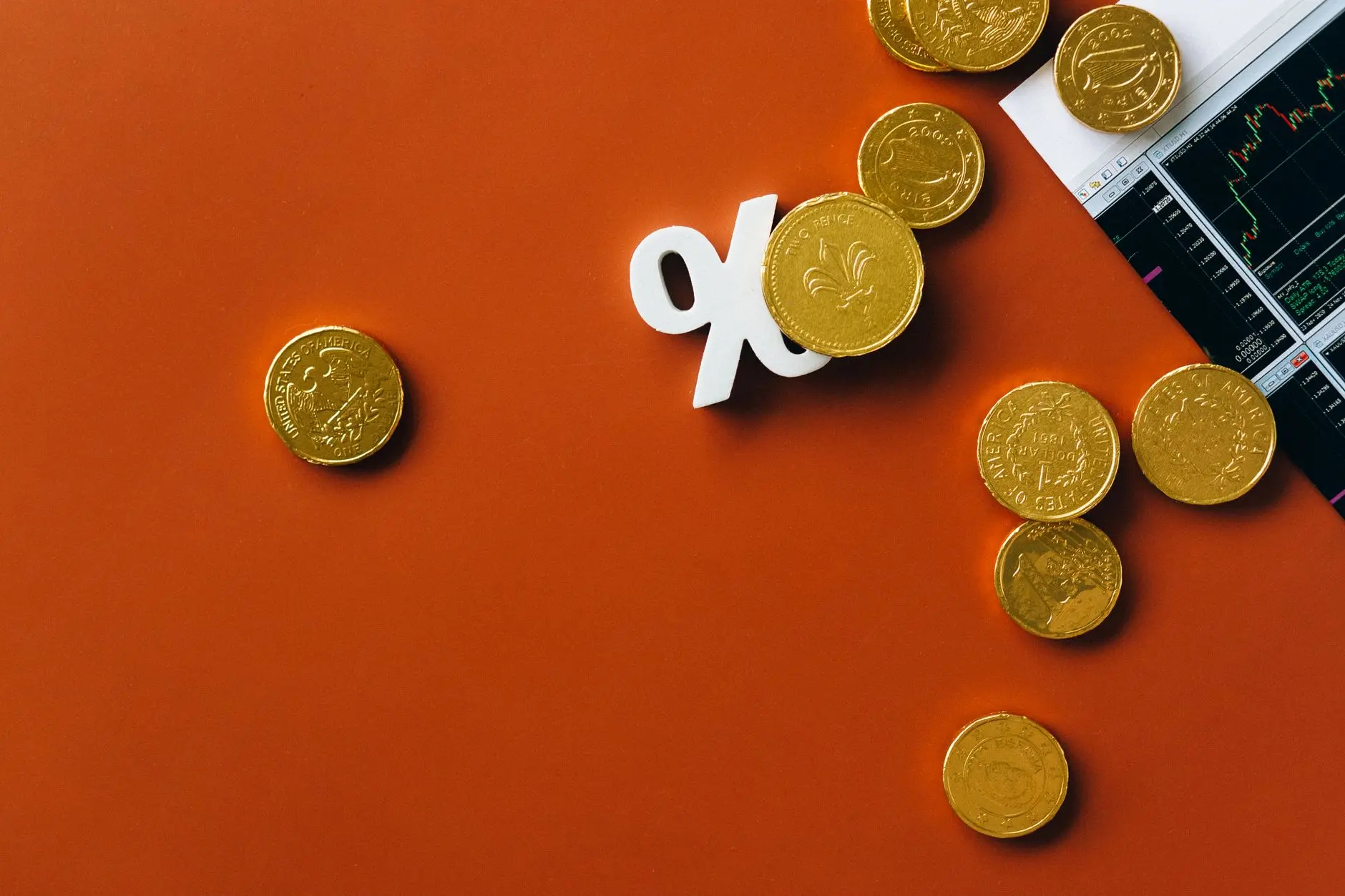
- Federal Reserve rate hike expectations exert downward pressure on gold prices by strengthening the dollar and raising real yields.
- Global investors recalibrate portfolios, balancing gold’s inflation hedge against rising opportunity costs of non-yielding assets.
- Divergent monetary policies among major central banks introduce regional disparities in gold demand and price sensitivity.
- Market volatility and geopolitical tensions continue to underpin intermittent safe-haven interest despite tightening US monetary policy.
What happened
The Federal Reserve’s recent communications have reinforced market expectations of further interest rate increases amid persistent inflationary pressures. This signaling, coupled with ongoing quantitative tightening, has contributed to gold prices stabilizing near a 14-month low. Traders and investors are increasingly factoring in higher US real interest rates, which typically diminish gold’s appeal as a non-yielding store of value. The greenback’s relative strength, buoyed by rising yields and a robust labor market, compounds downward momentum in gold prices as global participants reassess risk and return profiles across asset classes.
Why it matters
Gold, traditionally viewed as a hedge against inflation and currency debasement, operates within a complex interplay of monetary policy, currency fluctuations, and investor sentiment. The Fed’s tightening cycle alters this calculus by increasing the opportunity cost of holding gold relative to yield-bearing assets such as Treasury securities. As gold prices adjust, the asset’s ability to function as a portfolio diversifier and inflation shield undergoes scrutiny from institutional and retail investors alike. These dynamics have implications beyond financial markets, influencing central bank reserves, commodity-dependent economies, and geopolitical risk assessments.
Industry context
Historically, gold prices have exhibited sensitivity to US interest rates and the dollar index, but the relationship is nuanced by global monetary divergences. While the Federal Reserve is on a path of normalization, other major central banks, including the European Central Bank and the Bank of Japan, maintain more accommodative stances. This divergence affects cross-border capital flows and regional gold demand—particularly in Asia and Europe, where gold retains cultural and economic significance. Moreover, central banks in emerging markets have continued to accumulate gold reserves, viewing it as a strategic asset amid global economic uncertainties.
Analysis
The current environment underscores the tension between macroeconomic fundamentals and geopolitical uncertainties in shaping gold market trajectories. Rising US real yields incentivize capital migration away from gold, compressing prices and testing the metal’s safe-haven premium. However, inflation persistence and episodic geopolitical flare-ups sustain intermittent demand spikes. The Federal Reserve’s forward guidance plays a critical role in setting expectations that influence speculative positioning and physical demand patterns. Additionally, supply-side factors—such as mining output and recycling flows—interact with monetary signals to determine price elasticity. Investors must navigate a landscape where gold’s role is increasingly conditional on interest rate differentials and global liquidity conditions, rather than solely on inflation or crisis-driven demand.
What to watch next
Attention will focus on forthcoming Federal Reserve communications, inflation data releases, and labor market reports, which collectively inform the trajectory of US interest rates and real yields. Market participants will also monitor central banks’ gold purchasing trends, particularly in emerging economies seeking diversification amid currency volatility. Geopolitical developments—ranging from trade tensions to regional conflicts—remain latent variables capable of disrupting prevailing trends. Lastly, shifts in investor risk appetite and technological advances in gold trading platforms could modulate market liquidity and price responsiveness, adding layers of complexity to an already intricate global gold market landscape.
Ask AI about this story
Answers are based on this article and SN Media’s related coverage. AI can make mistakes.
Frequently asked questions
How have recent Federal Reserve rate hike expectations affected gold prices?
Expectations of further interest rate increases have contributed to gold prices stabilizing near a 14-month low by strengthening the dollar and raising US real yields, which diminish gold's appeal as a non-yielding asset.
Why does the Federal Reserve's tightening cycle matter for gold as an investment?
The tightening cycle raises the opportunity cost of holding gold relative to yield-bearing assets, affecting gold's role as an inflation hedge and portfolio diversifier, which in turn influences investor behavior and central bank reserve strategies.
How do differing monetary policies among major central banks impact global gold demand?
While the Federal Reserve is tightening, other central banks like the ECB and Bank of Japan remain accommodative, creating regional disparities in gold demand and price sensitivity, especially in Asia and Europe where gold has cultural and economic significance.
What factors beyond US interest rates are influencing gold market dynamics currently?
Geopolitical tensions, inflation persistence, supply-side factors such as mining output, central bank gold purchases, and shifts in investor risk appetite all interact with monetary policy signals to shape gold prices and demand, though the exact future impact remains uncertain.
Continue the story
 LATEST
Federal Reserve Rate Hike Prospects and Their Impact on Gold Prices