
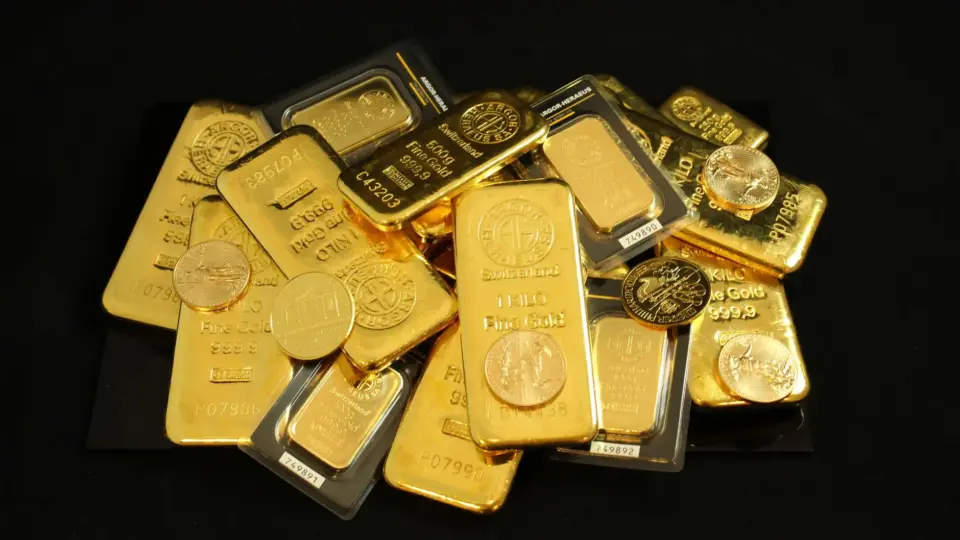







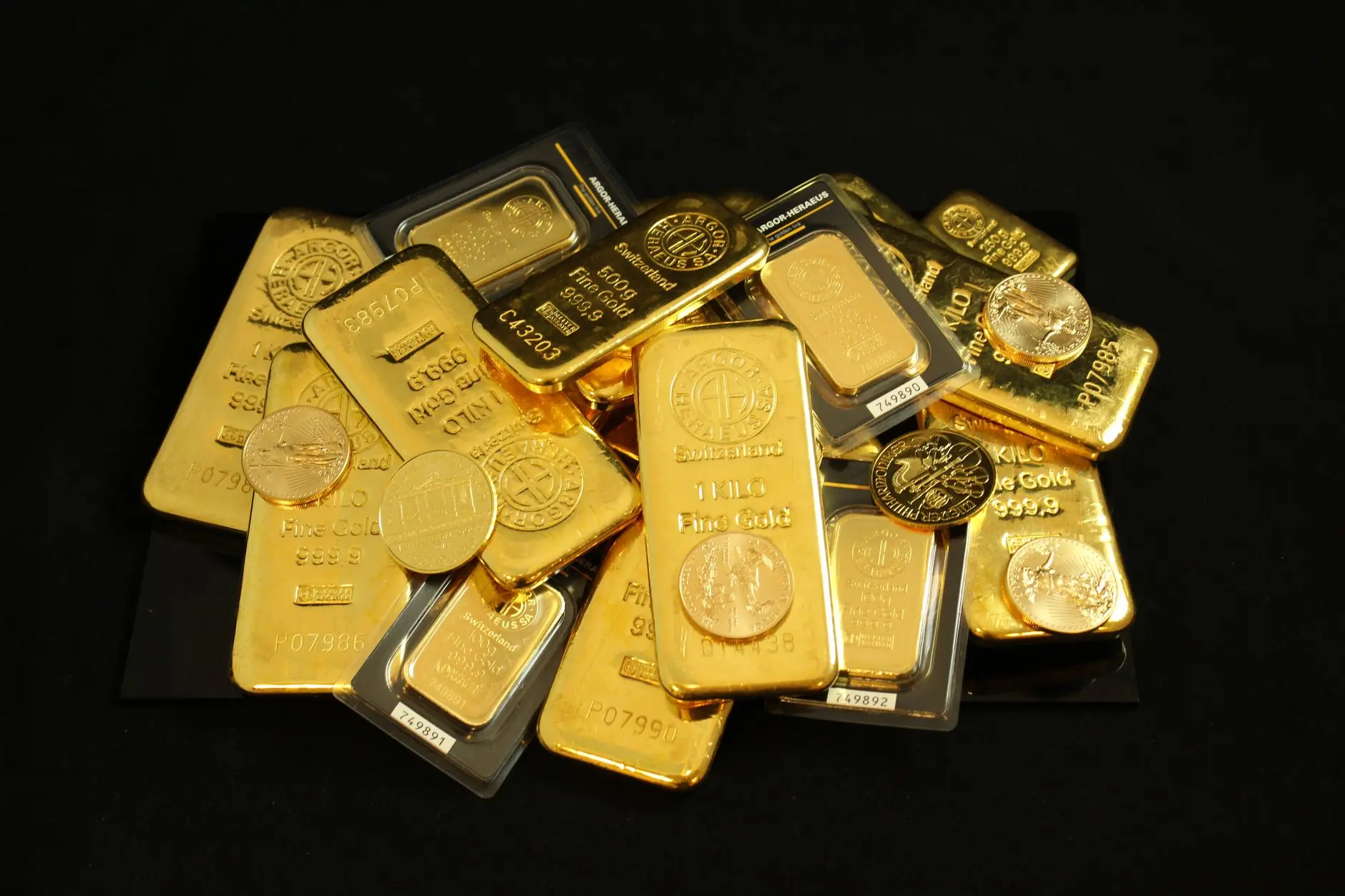
- Gold prices showed immediate subdued reaction to the Federal Reserve’s decision to pause interest rate hikes.
- The Fed’s forward guidance, emphasizing economic uncertainty, has introduced renewed volatility in bullion markets.
- Inflation trends and geopolitical tensions remain primary drivers for gold demand despite central bank policy steadiness.
- Investors face a complex trade-off between yield-seeking assets and gold’s safe-haven appeal amid shifting monetary conditions.
What Happened
On October 27, 2026, the Federal Reserve opted to hold interest rates steady after a prolonged cycle of incremental hikes. This decision came amid mixed economic signals, including signs of persistent inflation alongside slowing growth indicators. The Fed’s statement contained cautious language, refraining from projecting a clear path for future rate adjustments. Following the announcement, gold prices experienced a modest decline, moving away from recent peaks that had been driven by expectations of looser monetary policy. Market participants interpreted the pause as a signal of uncertainty rather than clarity, triggering immediate but contained volatility in bullion trading.
Why It Matters
The Federal Reserve’s monetary policy directly influences gold markets through its impact on real interest rates and the opportunity cost of holding non-yielding assets. When rates pause, particularly after a tightening phase, it creates a moment of strategic reassessment for investors. The subdued reaction in gold prices suggests that the market is pricing in both the potential for halted tightening and the risk of future hikes if inflation persists. Furthermore, the limited forward guidance introduces uncertainty, which traditionally benefits gold’s role as a hedge. Understanding this dynamic is crucial for investors who must navigate the interplay between central bank actions, inflation expectations, and geopolitical risks that continue to underpin demand for gold.
Industry Context
The gold market operates at the intersection of monetary policy, inflation trends, currency fluctuations, and geopolitical developments. Since early 2025, the Fed’s aggressive rate hikes aimed at quelling inflation had pressured gold by increasing the appeal of interest-bearing assets. Nevertheless, persistent inflation above the 2% target and intermittent geopolitical tensions—ranging from supply chain disruptions to regional conflicts—have maintained a baseline demand for gold as a store of value. Additionally, central banks worldwide, including those in emerging economies, have continued to diversify reserves into gold, reflecting broader concerns about currency stability. This context frames the current gold price sensitivity to the Fed’s signals as part of a complex and evolving global financial environment.
Analysis
The Fed’s pause reflects a nuanced balancing act: managing inflation without precipitating a recession. This stance complicates the outlook for gold, which thrives in environments characterized by either sharply rising inflation or acute economic distress. The current scenario—marked by a mixed economic picture and ambiguous policy signals—creates competing pressures. On one hand, a pause in rate hikes lowers real yields, which could be supportive for gold. On the other, the absence of explicit dovish guidance leaves open the risk of resuming tightening if inflation does not abate, which typically suppresses gold prices.
Investors must also consider the role of the U.S. dollar, which often moves inversely to gold. The dollar’s strength depends on relative interest rate differentials and global risk sentiment. Should the Fed’s cautious tone embolden risk-taking, the dollar might weaken, indirectly supporting gold. Conversely, renewed inflation concerns could bolster the dollar as a safe haven, limiting gains in bullion. This intricate interplay underscores the importance of monitoring macroeconomic data releases, Fed communications, and geopolitical developments.
What to Watch Next
Market participants should closely track upcoming inflation reports, particularly core Consumer Price Index data, which will influence the Fed’s next moves. Any signs of persistent inflationary pressure may prompt a return to rate hikes, challenging gold prices. Conversely, indications of economic slowdown could shift the Fed toward easing or extended pause, potentially boosting bullion demand.
Geopolitical flashpoints remain critical wildcards. Escalations in trade tensions, conflicts, or energy supply disruptions could drive safe-haven buying. Additionally, central bank reserve management decisions, especially from emerging markets, will affect physical gold demand and market liquidity.
Finally, investor positioning in futures and ETFs will provide insight into market sentiment and potential volatility. The coming months will likely test gold’s resilience amid a delicate balance of monetary policy, inflation trajectories, and global uncertainties.
Ask AI about this story
Answers are based on this article and SN Media’s related coverage. AI can make mistakes.
Frequently asked questions
How did gold prices react immediately after the Federal Reserve paused interest rate hikes?
Gold prices showed a modest decline following the Fedu2019s decision to hold rates steady, moving away from recent peaks driven by expectations of looser monetary policy. The reaction was subdued but triggered contained volatility in bullion trading.
Why does the Fedu2019s pause in rate hikes create uncertainty for gold investors?
The Fedu2019s cautious forward guidance refrains from projecting a clear path for future rate adjustments, leaving open the possibility of resumed tightening if inflation persists. This ambiguity complicates goldu2019s outlook since it benefits from either sharply rising inflation or economic distress, neither of which is clearly signaled.
What are the main factors currently influencing gold demand despite the Fedu2019s rate pause?
Persistent inflation trends above target levels, ongoing geopolitical tensions, and central banksu2019 reserve diversification into gold remain primary drivers of demand. These factors sustain goldu2019s appeal as a store of value amid shifting monetary conditions.
What should investors monitor going forward to assess gold market direction?
Investors should watch upcoming inflation data, especially core CPI reports, Fed communications for policy signals, geopolitical developments that may trigger safe-haven buying, and central bank reserve management decisions. Additionally, investor positioning in futures and ETFs will provide insight into market sentiment and potential volatility.
Continue the story
 BACKGROUND · How we got here
How Federal Reserve Rate Decisions Impact Gold Prices: An In-Depth Analysis
- BACKGROUND · How we got here The Impact of Gold’s Volatility on Global Investment Strategies
- BACKGROUND · How we got here How a Fed Pause Shapes Market Expectations for Year-End Monetary Policy
- BACKGROUND · How we got here Gold’s Resilience Amid AI-Induced Market Turbulence Signals Safe Haven Demand
- BACKGROUND · How we got here How Wall Street Prepares for Fed Interest Rate Announcements