







- Global crude transport capacity is constrained by a shrinking fleet of available supertankers.
- Elevated tanker charter rates are increasing oil transportation costs and squeezing supply chain margins.
- Geopolitical tensions and regulatory changes compound logistical bottlenecks in long-haul oil shipping.
- Supply disruptions risk amplifying fuel market tightness amid sustained demand growth.
What happened
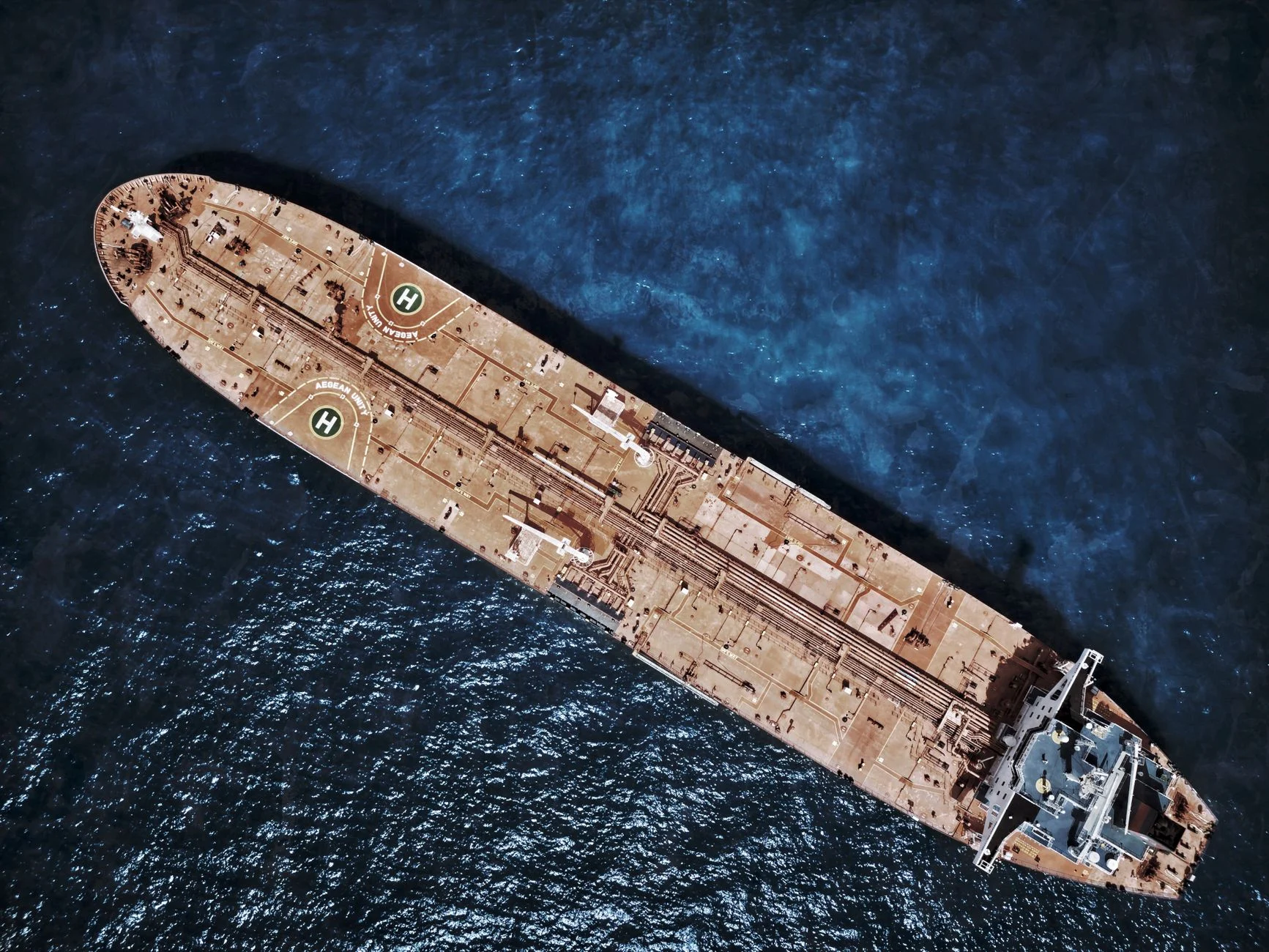
A pronounced shortage of supertankers—very large crude carriers (VLCCs) capable of transporting around 2 million barrels of oil each—is emerging as a critical bottleneck in global oil logistics. The available fleet has tightened significantly due to a confluence of factors, including an uptick in vessel maintenance, stricter environmental regulations, and shifting trade routes. This scarcity has driven charter rates to multi-year highs, inflating the costs of moving crude oil across key maritime corridors. As a result, oil producers and refiners face higher transportation expenses and potential delays in supply delivery, signaling stress points within the global oil supply chain.
Why it matters
Supertankers are the backbone of the international crude oil trade, enabling large volumes to move efficiently between producing regions and consumption markets. When tanker availability contracts, it not only raises shipping costs but also reduces operational flexibility. Increased freight rates can feed through into higher crude prices and, ultimately, consumer fuel costs. Moreover, restricted tanker capacity can depress export volumes from key producers or delay shipments, exacerbating market tightness. This presents a risk of supply imbalances at a time when global demand for oil remains robust, complicating efforts to stabilize energy markets and manage inflationary pressures.
Industry context
The global tanker fleet has undergone considerable shifts due to evolving regulatory frameworks such as the International Maritime Organization’s (IMO) sulfur cap and upcoming carbon emissions standards. Compliance often requires vessels to undergo retrofitting or temporary withdrawal from service. Simultaneously, geopolitical developments—such as sanctions and regional conflicts—have rerouted oil shipments, increasing voyage distances and turnaround times for tankers. Additionally, the recent growth in demand from Asia and emerging markets strains existing tanker capacity, especially on long-haul routes from the Middle East and West Africa to East Asia and Europe. The balance between tanker supply and demand is further complicated by an aging fleet and slower newbuild deliveries.
Analysis
This tanker shortage illustrates the fragility of oil logistics, which depend on an intricate network of vessels, ports, and regulatory compliance. The spike in charter rates reflects a market reaction to both reduced vessel availability and heightened operational complexities. Operators may prioritize more profitable routes or cargoes, leaving secondary markets underserved. The financial pressure on shipping companies could accelerate fleet renewal but also heightens the risk of market distortions if supply cannot keep pace with demand. Moreover, the interplay between geopolitical risk and environmental regulation creates structural challenges, as rerouted shipments extend transit times and increase fuel consumption by tankers themselves, further tightening supply. This environment incentivizes producers and consumers to diversify supply chains or seek alternative transport modes, though options remain limited for massive crude volumes.
What to watch next
Key indicators to monitor include global VLCC utilization rates, charter rate trends, and vessel order books for newbuilds compliant with emerging environmental standards. Regulatory developments, particularly those affecting emissions and ballast water treatment, will influence fleet availability and operational costs. Geopolitical flashpoints in major oil-producing regions or choke points such as the Strait of Hormuz could exacerbate tanker scarcity. Additionally, shifts in trade patterns—driven by policy changes, sanctions, or demand shifts—will affect tanker deployment and market dynamics. Stakeholders should also observe refiners’ inventory levels and spot crude prices as barometers of how logistical constraints are translating into market tightness. The evolving tanker shortage may prompt strategic adjustments across the oil value chain, reshaping global energy flows in the medium term.
Ask AI about this story
Answers are based on this article and SN Media’s related coverage. AI can make mistakes.
Frequently asked questions
What is causing the current shortage of supertankers in the global oil supply chain?
The shortage is driven by increased vessel maintenance, stricter environmental regulations requiring retrofitting or temporary withdrawal, shifting trade routes due to geopolitical tensions, and an aging fleet with slower newbuild deliveries.
How does the supertanker shortage affect oil transportation costs and supply chain margins?
The scarcity of available supertankers has pushed charter rates to multi-year highs, raising transportation costs for crude oil and squeezing supply chain margins, which can lead to higher crude prices and consumer fuel costs.
What role do geopolitical tensions and regulatory changes play in the tanker shortage?
Geopolitical tensions have rerouted shipments, increasing voyage distances and turnaround times, while regulatory changes like the IMO sulfur cap and upcoming emissions standards require vessel modifications, both of which reduce fleet availability and complicate logistics.
What indicators should be monitored to assess the ongoing impact of the tanker shortage?
Important indicators include global VLCC utilization rates, charter rate trends, vessel order books for environmentally compliant newbuilds, regulatory developments, geopolitical flashpoints in oil-producing regions, refinersu2019 inventory levels, and spot crude prices.
Continue the story
 LATEST
Global Fuel Supply Chains Under Strain: How Geopolitics Are Driving Diesel Prices Up
LATEST
Global Fuel Supply Chains Under Strain: How Geopolitics Are Driving Diesel Prices Up
- LATEST How Rising Oil Prices Are Reshaping Global Inflation Expectations
- LATEST Global Energy Markets Brace for Impact as G7 Releases 100 Million Barrels of Oil and Diesel
- LATEST Europe’s Strategic Fuel Reserves: Can Releasing Stocks Ease Diesel Price Inflation?
- LATEST The Historical Lessons of the 1973 Arab Oil Embargo for Today’s Energy Policies