








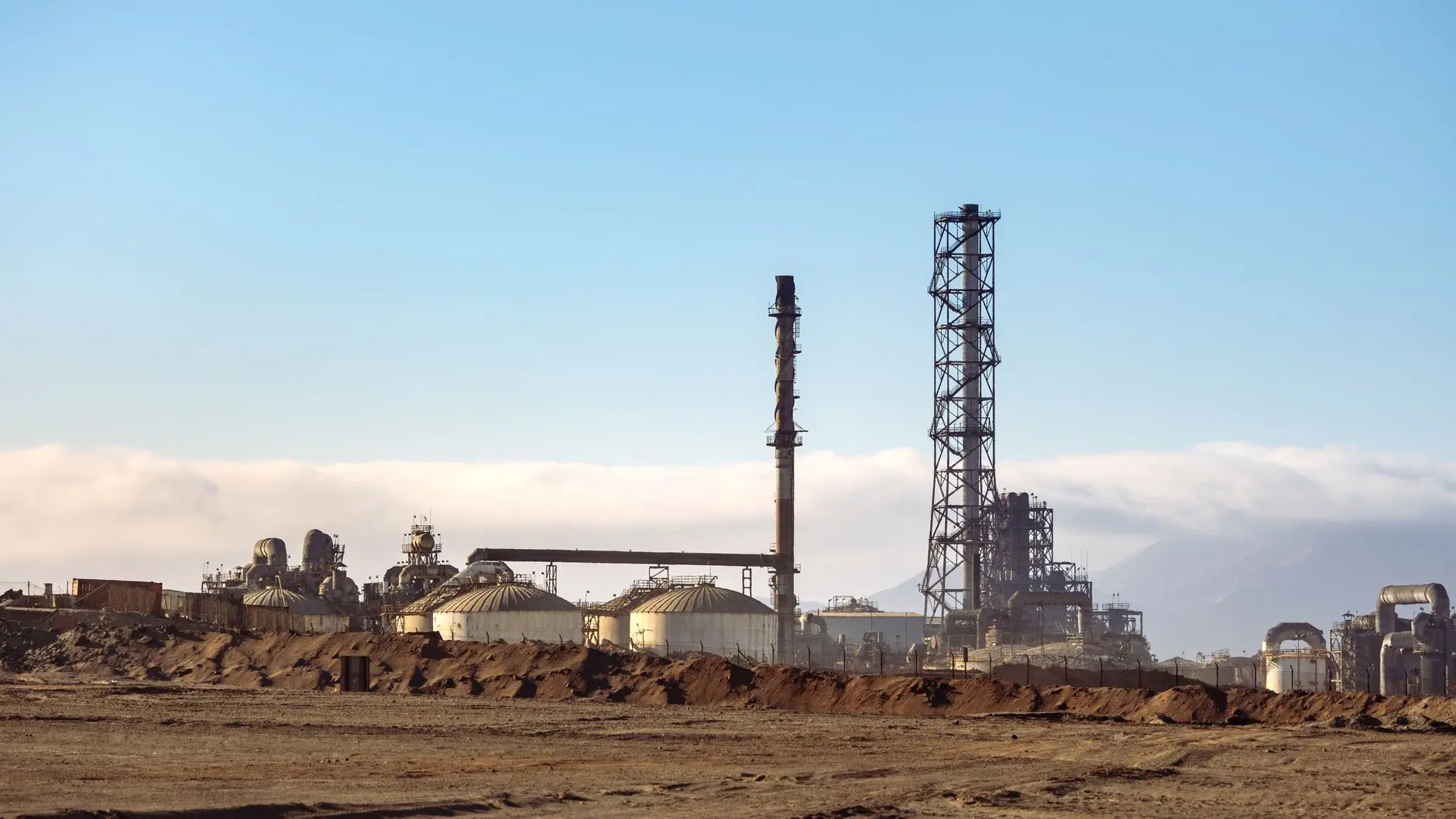
- G7’s coordinated release of 100 million barrels targets immediate supply shortages and price volatility.
- The move reflects rising geopolitical tensions and concerns over energy security in key global markets.
- Strategic petroleum reserves are leveraged as a policy tool balancing market stability against long-term energy transition goals.
- Effectiveness depends on synchronized demand management and evolving dynamics in OPEC+ production policy.
What happened
The Group of Seven (G7) countries announced a joint decision to release 100 million barrels of oil and diesel from their strategic petroleum reserves (SPRs). This unprecedented, coordinated action aims to counteract recent price surges and mitigate supply disruptions amid heightened geopolitical tensions. The release, spread over several months, involves major consuming nations including the United States, Japan, Germany, and Canada. The move is designed to inject additional crude and refined fuels into global markets, signaling a concerted effort to stabilize energy prices that have been pressured by a combination of geopolitical uncertainty and constrained supply chains.
Why it matters
Energy markets are acutely sensitive to supply fluctuations, with oil prices influencing inflation, economic growth, and geopolitical stability worldwide. The G7’s release targets short-term relief by increasing available inventory, thus dampening price spikes that affect consumers and industries globally. It also serves as a strategic message to producers and market participants that consumer nations remain ready to intervene to prevent market imbalances. This intervention could temper the impact of supply-side risks stemming from ongoing conflicts, sanctions, or production decisions by major oil-exporting countries. Moreover, the move underscores the fragile equilibrium in energy markets, where geopolitical risks and energy security considerations increasingly intersect.
Industry context
The decision comes against a backdrop of fluctuating production decisions by OPEC+ and persistent uncertainty in energy supply chains. Following pandemic-related demand shocks, the energy sector has struggled with volatility exacerbated by the war in Ukraine, sanctions on Russian energy exports, and shifting demand patterns as economies recover unevenly. Strategic petroleum reserves are typically held for emergency use, yet their deployment reflects an evolving toolkit for consumer states seeking to exert influence in a market historically dominated by producer cartel dynamics. At the same time, the global energy transition towards renewables adds complexity to how reserves are managed, balancing immediate supply needs with longer-term decarbonization commitments.
Analysis
The G7’s coordinated release represents a calculated balancing act. It leverages the finite resource of SPRs to address immediate price pressures, but this is not a sustainable long-term solution. The magnitude of the release—100 million barrels—is significant but may only provide temporary cushioning, especially if supply disruptions persist or demand rebounds faster than anticipated. The effectiveness will critically depend on the timing and scale of withdrawals, as well as the reception by market participants. Should producers interpret the move as a signal to withhold additional supply, the impact could be muted. Conversely, coordinated demand management alongside SPR releases could amplify price stabilization.
This episode also highlights the evolving role of strategic reserves in global energy governance. Traditionally a buffer against physical shortages, SPRs are increasingly a geopolitical instrument capable of influencing market psychology. However, reliance on such interventions risks masking underlying vulnerabilities in supply chains and delaying necessary investments in alternative energy sources. The G7’s move may thus intensify debates about the appropriate balance between market mechanisms and strategic state interventions in energy markets.
What to watch next
Market participants will monitor the pace and scale of the SPR releases and their immediate impact on crude and refined product prices. Attention will also focus on OPEC+ production responses, particularly whether the producer group adjusts output to counterbalance the additional supply. Geopolitical developments, especially in key energy-producing regions, will remain a critical variable influencing market confidence. Longer-term, the episode may prompt renewed discussion among consuming nations about energy diversification, resilience, and the role of strategic reserves within broader energy security frameworks. Observers should assess how this intervention affects investment signals for both fossil fuels and renewable alternatives in the months ahead.
Ask AI about this story
Answers are based on this article and SN Media’s related coverage. AI can make mistakes.
Frequently asked questions
What is the main purpose of the G7's release of 100 million barrels of oil and diesel?
The release aims to counteract recent price surges and mitigate supply disruptions amid heightened geopolitical tensions by increasing available inventory and stabilizing global energy prices.
Which countries are involved in the G7 coordinated release of strategic petroleum reserves?
The release involves major consuming nations including the United States, Japan, Germany, and Canada among the G7 countries.
How might the effectiveness of the G7's oil release be influenced by other market factors?
Effectiveness depends on synchronized demand management, the timing and scale of withdrawals, and the response of OPEC+ production policies, as producers could offset the release by withholding supply.
What are the longer-term implications of using strategic petroleum reserves in this way?
While SPR releases provide short-term price relief, they are not a sustainable solution and may mask supply vulnerabilities, potentially delaying investments in alternative energy sources and complicating the balance between market mechanisms and state interventions.
Continue the story
 BACKGROUND · How we got here
Global Fuel Supply Chains Under Strain: How Geopolitics Are Driving Diesel Prices Up
BACKGROUND · How we got here
Global Fuel Supply Chains Under Strain: How Geopolitics Are Driving Diesel Prices Up