








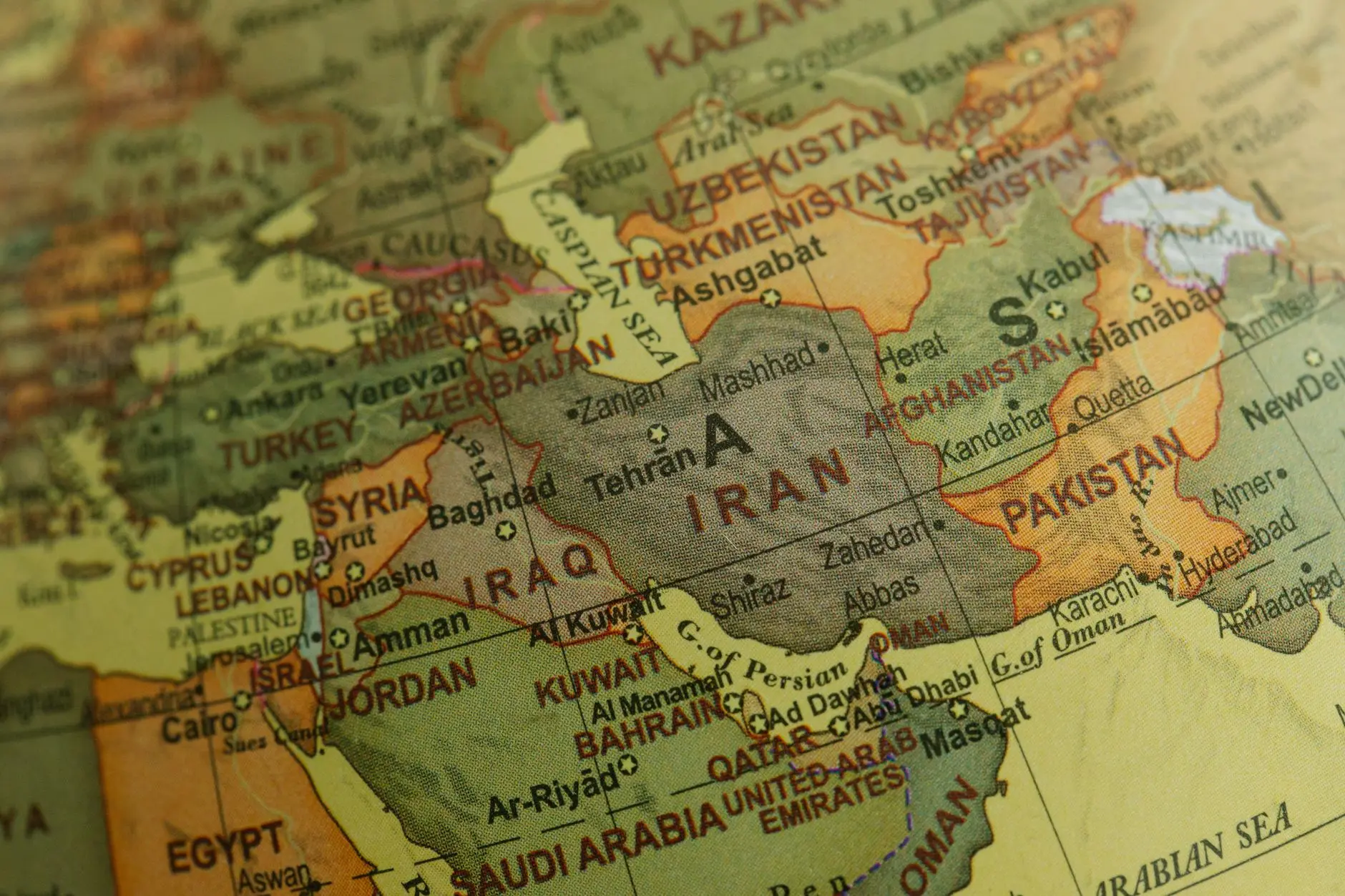
- The deployment of 10,000 additional US troops signals a strategic recalibration amid rising regional instability.
- This troop surge risks intensifying US-Iranian tensions and complicating alliances with Gulf states.
- It reflects broader US concerns over the shifting balance of power in the Middle East, including China and Russia’s expanding influence.
- Long-term regional security may hinge on how the US manages its military presence alongside diplomatic engagement.
What happened
The United States has announced a significant military reinforcement in the Middle East, deploying an additional 10,000 troops to the region. This decision comes amid escalating tensions involving Iran, proxy militias, and broader regional security challenges. The deployment aims to bolster US military readiness and deterrence capabilities, particularly in strategic locations such as Iraq, Syria, and the Gulf states. It reflects Washington’s assessment that the current security environment demands a more robust presence to counter perceived threats and maintain freedom of navigation in critical waterways like the Strait of Hormuz.
Why it matters
This troop surge is more than a tactical adjustment; it signals a recalibration of US policy in a region where influence has long been contested. By increasing its military footprint, the US is asserting its commitment to regional security and signaling to both allies and adversaries that it remains deeply engaged. However, this move carries risks of exacerbating tensions with Iran, whose regional ambitions and proxy networks are central to the conflict dynamics. Furthermore, it complicates the US’s delicate balance with Gulf Cooperation Council (GCC) states, which have varying degrees of alignment and rivalry with Tehran. The troop increase also has implications for the broader geopolitical competition involving Russia and China, both of which see the Middle East as a critical theater for expanding their influence.
Industry context
The Middle East remains a key geopolitical pivot, shaped by intersecting interests of energy security, sectarian rivalries, and global power projection. US military deployments have historically fluctuated in response to crises—from the Gulf War and Iraq invasion to the fight against ISIS and the JCPOA nuclear deal dynamics. Current US force posture adjustments must be seen against the backdrop of diminished large-scale deployments post-Afghanistan, growing reliance on precision and intelligence assets, and evolving defense partnerships with regional players like Saudi Arabia and the UAE. Meanwhile, Russia’s military intervention in Syria and China’s Belt and Road Initiative underscore a multipolar contest for influence, with energy routes and arms sales as critical instruments.
Analysis
The decision to send 10,000 troops reveals a complex calculus balancing deterrence and diplomacy. On one hand, enhanced US presence aims to dissuade Iranian-backed proxies from escalating attacks on US forces and allies, preserving critical oil supply routes and restraining Tehran’s regional ambitions. On the other, it risks entrenching a security dilemma: Iran may respond by increasing asymmetric attacks or accelerating its nuclear program, while US allies might push for more aggressive stances that could drag the US into wider conflicts.
This troop surge also reflects concerns about the credibility of US commitments. After years of retrenchment rhetoric and uneven regional strategies, Washington appears intent on reaffirming its role as a security guarantor. However, sustaining such a presence demands significant resources and political will, especially amid competing priorities elsewhere, including Indo-Pacific competition and domestic pressures.
The move also complicates the US relationship with Gulf states, which are navigating their own strategic calculations. While countries like Saudi Arabia may welcome the enhanced US security umbrella, others such as Oman and Qatar may prefer a less militarized approach to avoid overtly antagonizing Iran. This divergence could strain the unity of US-led regional coalitions.
What to watch next
Key indicators to monitor include Tehran’s response, both diplomatically and via proxy groups, which will signal whether the troop increase deters or provokes further escalation. US engagement with Gulf partners will also be critical; shifts in defense cooperation agreements or arms sales could reveal evolving alignments. Additionally, Washington’s broader Middle East strategy—especially its approach to nuclear diplomacy with Iran and its balancing act between regional powers—will determine if this surge is part of a longer-term commitment or a temporary posture. Finally, the reaction of external actors like Russia and China will shape the strategic environment, potentially influencing the sustainability and impact of the US military buildup.
Ask AI about this story
Answers are based on this article and SN Media’s related coverage. AI can make mistakes.
Frequently asked questions
Why is the US sending an additional 10,000 troops to the Middle East?
The US aims to bolster military readiness and deterrence amid escalating tensions involving Iran, proxy militias, and regional security challenges, particularly in Iraq, Syria, and the Gulf states, to maintain freedom of navigation in critical waterways like the Strait of Hormuz.
What risks does the troop surge pose to US relations in the region?
The surge risks intensifying US-Iranian tensions and complicating alliances with Gulf Cooperation Council states, which have varying alignments and rivalries with Tehran, potentially straining the unity of US-led regional coalitions.
How does this troop increase relate to broader geopolitical competition?
It reflects US concerns over shifting power balances in the Middle East, where Russia and China are expanding influence through military intervention and initiatives like the Belt and Road, making the region a multipolar contest for influence.
What are the key factors to watch following this deployment?
Observers should monitor Tehran's diplomatic and proxy responses, changes in US engagement with Gulf partners, developments in nuclear diplomacy with Iran, and reactions from external actors like Russia and China to assess the surge's impact and sustainability.
Continue the story
 BACKGROUND · How we got here
Geopolitical Implications of the US $24.3 Billion F-35 Sale to Saudi Arabia
BACKGROUND · How we got here
Geopolitical Implications of the US $24.3 Billion F-35 Sale to Saudi Arabia