









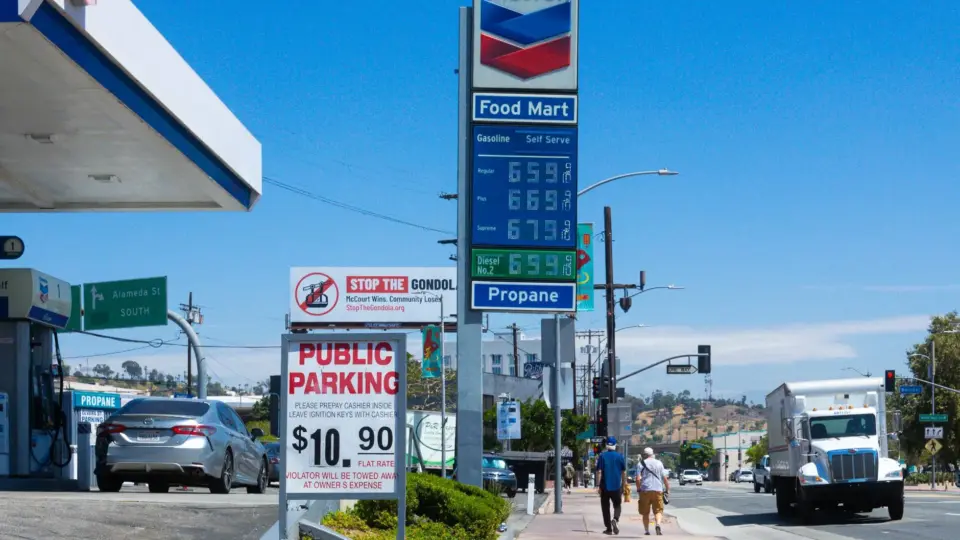
- Gasoline prices in the US recently fell below $4 per gallon, easing cost pressures on households.
- Lower fuel costs could increase disposable income, potentially boosting discretionary spending.
- The shift in consumer spending patterns may influence inflation dynamics and economic growth trajectories.
- Volatility in global energy markets and policy responses will shape the sustainability of this price trend.
What happened
After months of elevated prices, US gasoline prices have dropped below the $4-per-gallon threshold, marking a significant shift in consumer energy costs. This decline follows a period where supply chain adjustments, geopolitical factors, and seasonal demand had previously pushed prices to multi-year highs. The current price reduction reflects a combination of increased crude oil supply, moderated demand growth, and strategic releases from petroleum reserves. The easing of fuel prices has immediate implications for household budgets, particularly given the outsized share of spending on energy in lower- and middle-income groups.
Why it matters
Gasoline prices are a critical input in the US economy, influencing transportation costs, consumer mobility, and the cost structure of goods and services. When fuel becomes cheaper, households experience a form of implicit income gain, freeing up resources that can be redirected toward discretionary spending. This shift can stimulate sectors such as retail, dining, travel, and entertainment, which had been constrained by high energy costs. Moreover, reduced fuel expenses may temper headline inflation figures, affecting monetary policy considerations. The interplay between consumer spending responses and inflation expectations is pivotal in determining near-term economic growth and financial market stability.
Industry context
The recent decline in gasoline prices occurs against a backdrop of complex energy market dynamics. The US continues to balance domestic production increases with international supply disruptions linked to geopolitical tensions and OPEC+ production decisions. The transportation sector’s energy consumption patterns remain sensitive to both price fluctuations and regulatory changes, including fuel efficiency standards and the gradual adoption of electric vehicles. Retail and service industries, which depend heavily on consumer discretionary income, have closely monitored fuel costs as a bellwether for spending capacity. Simultaneously, inflationary pressures have prompted the Federal Reserve to maintain a cautious stance on interest rates, with energy prices playing a nontrivial role in macroeconomic assessments.
Analysis
The drop below $4 per gallon can be interpreted as a temporary reprieve rather than a structural shift in energy costs. While households may experience short-term relief, the extent to which this translates into sustained spending increases depends on several interrelated factors. First, the persistence of the price decline depends on global supply conditions and potential shocks, including geopolitical instability or OPEC+ production adjustments. Second, consumer behavior may be tempered by lingering inflationary pressures in other essential categories, such as housing and food, which continue to constrain overall budgets. Third, rising interest rates and tighter credit conditions could offset disposable income gains from lower gasoline prices, limiting their stimulative effect. Lastly, shifting consumer preferences toward energy-efficient transportation and changing work patterns post-pandemic introduce additional uncertainty into demand forecasts.
What to watch next
Market participants and policymakers will closely monitor gasoline price trajectories alongside broader inflation measures in the coming months. Key indicators include crude oil production levels, inventory data, and geopolitical developments that could disrupt supply chains. Consumer sentiment and retail sales reports will provide early signals of how lower fuel costs impact discretionary spending. Additionally, Federal Reserve communications will be scrutinized for adjustments in monetary policy that might respond to shifting inflation and growth prospects. The evolving balance between energy affordability and broader economic conditions will determine whether the recent price decline catalyzes a meaningful uptick in consumer activity or remains a transient phenomenon amid ongoing uncertainty.
Ask AI about this story
Answers are based on this article and SN Media’s related coverage. AI can make mistakes.
Frequently asked questions
What caused the recent drop in US gasoline prices below $4 per gallon?
The price decline resulted from increased crude oil supply, moderated demand growth, and strategic releases from petroleum reserves, following a period of high prices influenced by supply chain issues, geopolitical factors, and seasonal demand.
How might lower gasoline prices affect US consumer spending and the economy?
Lower fuel costs could increase disposable income, potentially boosting discretionary spending in sectors like retail, dining, travel, and entertainment, while also possibly tempering inflation and influencing monetary policy decisions.
Is the drop in gasoline prices expected to be permanent?
The decline is seen as a temporary reprieve rather than a structural shift, with its persistence dependent on global supply conditions, geopolitical risks, inflation in other essential categories, interest rates, and changing consumer behaviors.
What factors will determine if lower gasoline prices lead to sustained economic growth?
Key factors include crude oil production levels, geopolitical developments, consumer sentiment, retail sales, and Federal Reserve policy responses, all of which will influence whether the price drop results in a meaningful increase in consumer activity or remains transient.
Continue the story
 LATEST
How Falling Diesel Prices Could Shift the US Inflation Landscape