








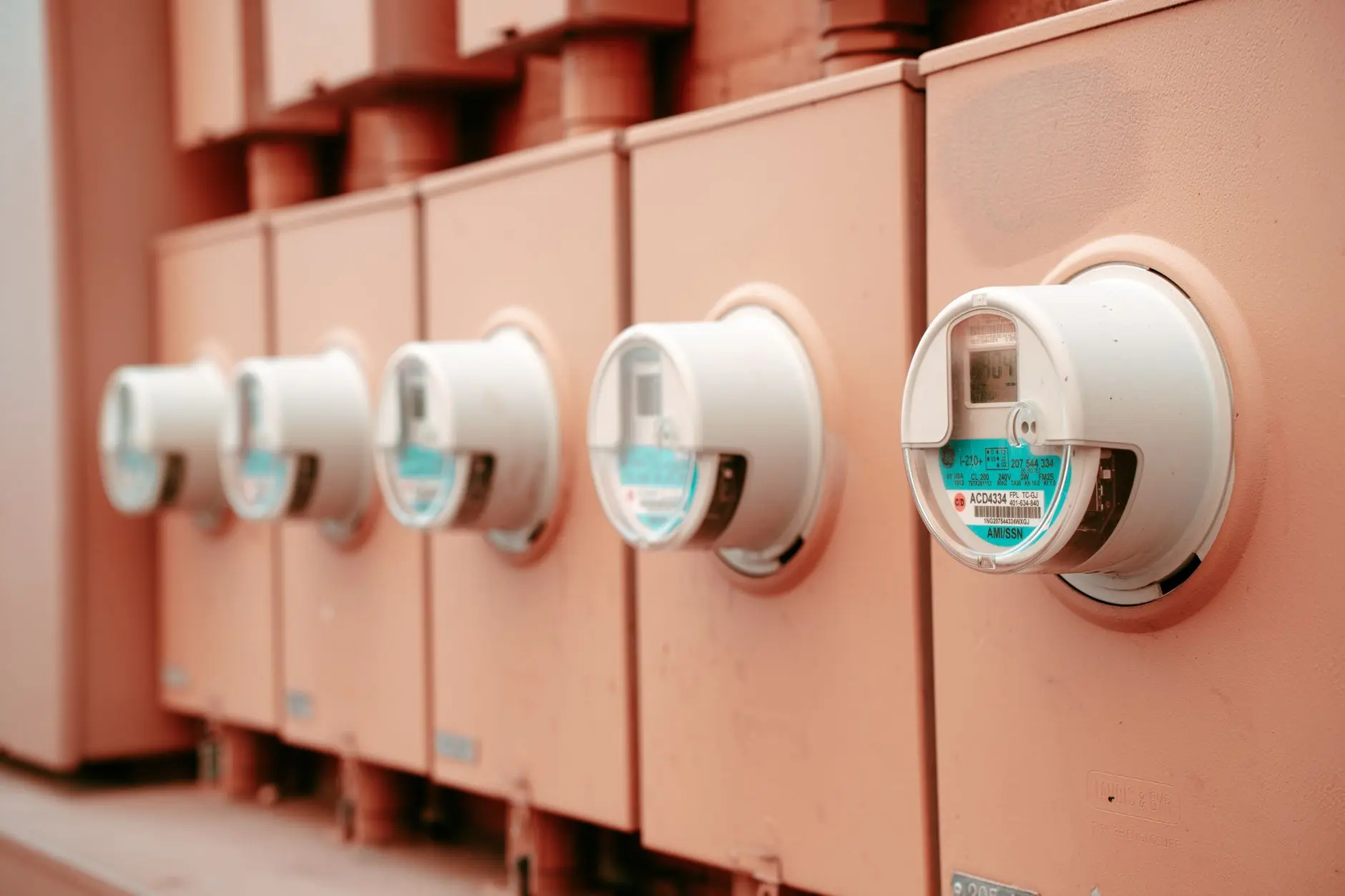
- Behind-the-meter generation enables data centers to bypass protracted utility grid connection timelines.
- This approach shifts significant energy infrastructure costs and operational risks from utilities to developers.
- Increased onsite generation alters demand patterns, complicating grid management and capacity planning.
- Regulatory frameworks and market designs face pressure to adapt to decentralized, large-scale self-generation.
What happened
Data center operators and developers are increasingly adopting behind-the-meter (BTM) power generation strategies to address persistent delays in securing utility grid connections. Confronted with multi-year backlogs and uncertain timelines for grid upgrades, these companies are installing substantial onsite generation assets—often diesel or natural gas generators, supplemented by solar and battery storage—to independently meet their energy needs. This bypasses the traditional model where utilities supply power directly through a grid connection, enabling data centers to accelerate project commissioning and maintain operational continuity despite strained grid infrastructure.
Why it matters
The surge in behind-the-meter generation for data centers represents a fundamental shift in how critical infrastructure accesses energy. By internalizing generation, developers reduce their dependency on utilities but simultaneously assume the capital expenditures and operational complexities traditionally borne by grid operators. This reallocation of risk and cost has implications beyond individual projects, influencing regional grid reliability, resource adequacy, and economic efficiency. Furthermore, as data centers constitute a rapidly growing segment of electricity demand—particularly in technology hubs—this trend challenges existing regulatory and market frameworks designed around centralized generation and predictable load patterns.
Industry context
Data centers have become a dominant driver of new electricity demand, especially in regions with robust technology sectors. Historically, utilities have managed this growth through grid expansions and upgrades, a process often slowed by permitting, environmental reviews, and infrastructure investment cycles. The conventional approach requires synchronizing large scale infrastructure projects with data center development timetables, a coordination fraught with delays. Meanwhile, the energy transition and decarbonization goals place additional pressure on the grid to integrate variable renewable resources, complicating capacity planning. Behind-the-meter generation emerges as an adaptive response, allowing data centers to maintain control over their energy supply amidst these constraints but also contributing to a more decentralized and complex grid landscape.
Analysis
Behind-the-meter power generation for data centers exemplifies a growing tension between centralized grid systems and distributed energy resources. On one hand, it grants developers the ability to sidestep utility bottlenecks and ensure power reliability—a critical factor for mission-critical operations. On the other hand, the proliferation of independent generation assets reduces utilities’ visibility into actual load profiles and complicates demand forecasting, which can lead to inefficiencies or overbuilding. The reliance on fossil-fueled onsite generation, while pragmatic, raises questions about long-term sustainability and alignment with climate targets. Battery storage and solar integration mitigate some emissions concerns but remain capital intensive and intermittently effective. Regulatory bodies are thus confronted with the challenge of balancing incentives to encourage grid interconnection and renewable adoption against the operational realities and economic imperatives driving behind-the-meter solutions.
What to watch next
Attention will focus on how regulators and utilities adapt policies to this evolving landscape. Key developments include the potential redesign of interconnection queues, tariff structures that reflect the true cost and value of onsite generation, and incentive mechanisms for cleaner behind-the-meter technologies. Technological advances in energy management systems and real-time grid monitoring may improve coordination between distributed assets and central operators. Additionally, the evolution of carbon pricing and sustainability mandates will influence the viability of fossil-fueled onsite generation in data centers. Monitoring how major technology hubs and grid operators respond to these dynamics will provide insight into the broader trajectory of energy infrastructure modernization in the face of accelerating digital demand.
Ask AI about this story
Answers are based on this article and SN Media’s related coverage. AI can make mistakes.
Frequently asked questions
Why are data centers increasingly using behind-the-meter power generation?
Data centers are adopting behind-the-meter generation to overcome long delays and uncertainties in securing utility grid connections, allowing them to accelerate project timelines and ensure reliable power supply despite strained grid infrastructure.
What are the implications of behind-the-meter generation for utilities and grid management?
This approach shifts significant costs and operational risks from utilities to developers, complicates demand forecasting and grid capacity planning, and reduces utilities' visibility into actual load profiles, potentially leading to inefficiencies or overbuilding.
How does behind-the-meter generation affect sustainability and regulatory frameworks?
While onsite fossil-fueled generation raises sustainability concerns, integration of solar and battery storage can mitigate emissions but is costly and intermittently effective; regulators face challenges in adapting policies to balance incentives for cleaner technologies with the operational realities driving behind-the-meter adoption.
What future developments are expected in response to the rise of behind-the-meter generation in data centers?
Regulatory and utility adaptations may include redesigning interconnection queues, adjusting tariff structures, creating incentives for cleaner onsite generation, advancing energy management technologies, and evolving carbon pricing and sustainability mandates to influence the viability of fossil-fueled onsite generation.
Continue the story
 LATEST
How the Data Center Boom Is Reshaping the US Steel Market
- BACKGROUND · How we got here How Brookfield and QIA’s £2.5 Billion Bet Signals a New Era for UK Data Infrastructure
- BACKGROUND · How we got here Tech Sector Volatility: What the Data Center Clampdown Means for Chipmakers and Investors
- LATEST Canada’s AI Data Centre Boom: A Strategic Advantage in the Global Tech Race