








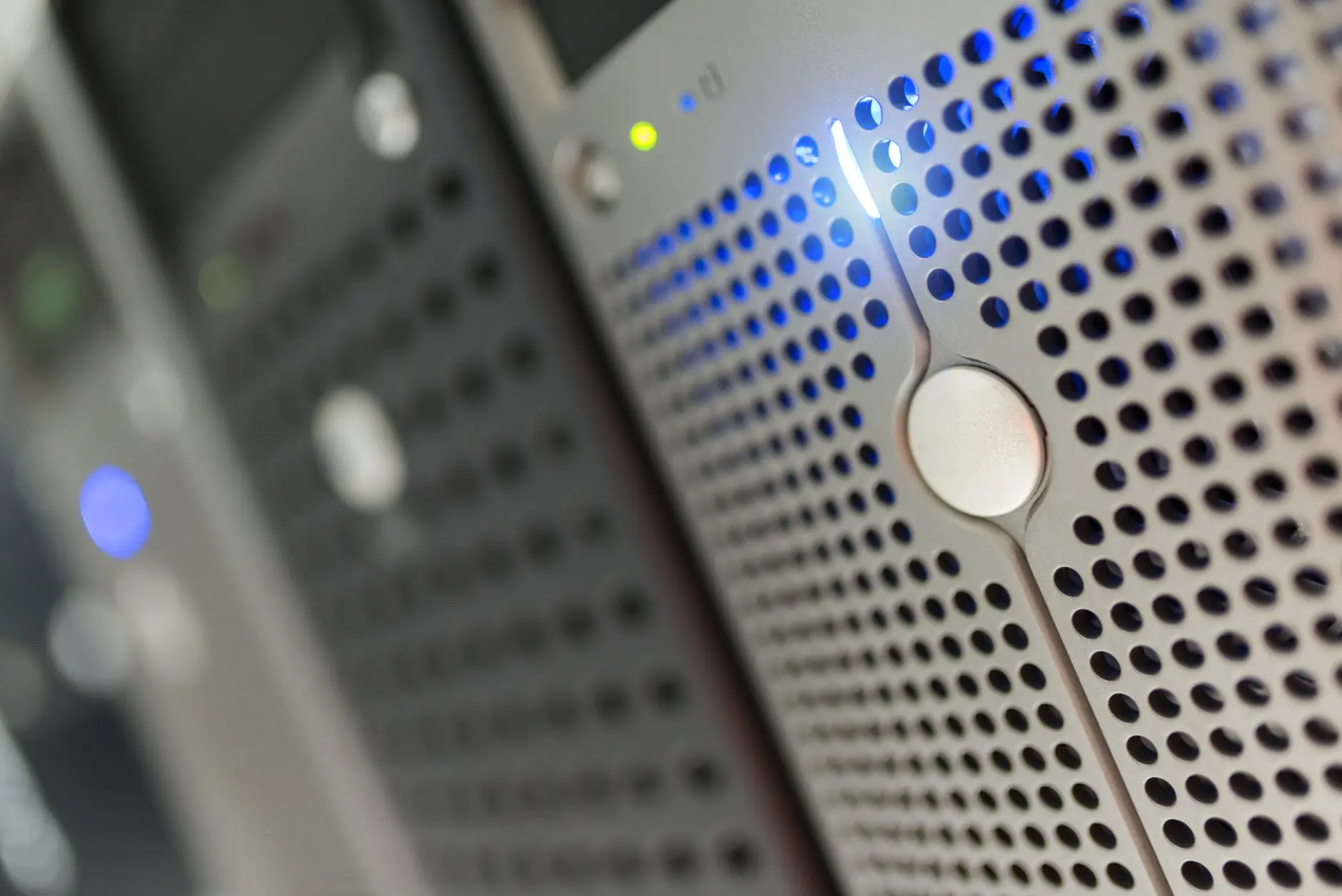
- Data center construction has surged, intensifying demand for structural steel in the US.
- Domestic steel producers face supply constraints, prompting increased imports from international markets.
- Price volatility has emerged as a consequence of supply-demand imbalances within the steel sector.
- Buyers are adapting procurement strategies, balancing cost pressures against delivery timelines and quality standards.
How the Data Center Boom Is Reshaping the US Steel Market
What happened
The rapid expansion of data center infrastructure across the United States has markedly increased the demand for structural steel. This surge, driven by the tech sector’s escalating needs for cloud storage and computing capacity, has strained domestic steel producers. As a result, steel buyers—including construction firms and large tech companies—are increasingly sourcing materials from international suppliers. This trend has introduced new dynamics into the US steel market, notably affecting supply chains, pricing structures, and procurement practices.
Why it matters
Steel is a foundational input for data center construction, which requires vast quantities of high-grade structural steel to support complex facilities engineered for resilience and scalability. The inability of domestic producers to meet this demand risks project delays and cost overruns, influencing broader infrastructure investment decisions. Moreover, the pivot toward foreign steel sources exposes US buyers to geopolitical risks, currency fluctuations, and potential quality control challenges. Understanding these shifts is critical for stakeholders across the steel supply chain and beyond, as they recalibrate expectations and strategies in a rapidly evolving market.
Industry context
The US steel industry operates within a complex framework of tariffs, trade policies, and production capacities. Historically, domestic steel producers have benefited from protective measures such as Section 232 tariffs imposed on imports. However, the data center boom has intensified demand beyond current domestic production capabilities, revealing structural limitations such as aging mills and limited capacity expansions. International steel markets, notably in Asia and Europe, have filled part of this gap, leveraging lower production costs and surplus capacity. Meanwhile, global supply chain disruptions and raw material price volatility add layers of complexity to steel availability and cost.
Analysis
The surge in data center construction has exposed a supply-demand mismatch in the US steel market. Domestic mills, constrained by capital-intensive modernization cycles and environmental regulations, cannot rapidly scale output. This scenario forces buyers to seek international suppliers, creating a more fragmented and competitive procurement landscape. Price volatility arises as limited domestic supply bids up prices, while import costs fluctuate with tariffs, shipping, and currency shifts. Buyers face a delicate trade-off between securing timely deliveries and managing budget constraints.
This dynamic also underlines deeper structural challenges. The US steel industry’s capacity to respond swiftly to sector-specific demand spikes remains limited, reflecting broader industrial policy and investment priorities. Meanwhile, reliance on imports risks undermining domestic industrial resilience, a fact gaining attention amid geopolitical tensions and supply chain re-shoring debates. For data center developers, procurement strategies must now incorporate a global sourcing lens, balancing cost, quality, and risk.
What to watch next
Future developments will hinge on multiple factors: the pace of data center construction, domestic steel industry investments, and evolving trade policies. Monitoring capital expenditures by US steel producers will indicate whether capacity expansions or technological upgrades can alleviate supply constraints. Additionally, shifts in tariff regimes or trade negotiations could recalibrate the cost-benefit analysis of importing steel versus sourcing domestically.
On the demand side, the trajectory of cloud computing, edge infrastructure, and related technologies will influence steel consumption patterns. Stakeholders should also watch for innovations in construction materials and methods that may alter steel dependency. Ultimately, the interplay between infrastructure growth and industrial capacity will shape not only the US steel market but broader economic and strategic landscapes.
Ask AI about this story
Answers are based on this article and SN Media’s related coverage. AI can make mistakes.
Frequently asked questions
Why has demand for structural steel increased in the US recently?
Demand has surged due to rapid expansion of data center infrastructure driven by the tech sector's growing needs for cloud storage and computing capacity.
How are domestic US steel producers responding to this increased demand?
Domestic producers face supply constraints caused by limited capacity expansions and aging mills, preventing them from meeting the heightened demand promptly.
What impact has the data center boom had on steel sourcing and pricing?
Buyers are increasingly importing steel from international markets due to domestic shortages, leading to price volatility influenced by tariffs, shipping costs, and currency fluctuations.
What future factors will influence the US steel market amid the data center boom?
Key factors include the pace of data center construction, domestic steel industry investments in capacity and technology, changes in trade policies, and potential innovations in construction materials and methods.
Continue the story
 BACKGROUND · How we got here
How Easing US Tariffs Are Reshaping Global Copper Trade Dynamics
- BACKGROUND · How we got here How AI Advancements Are Reshaping Metals Markets Amid Economic Uncertainty
- BACKGROUND · How we got here Tech Sector Volatility: What the Data Center Clampdown Means for Chipmakers and Investors
- BACKGROUND · How we got here Canada’s AI Data Centre Boom: A Strategic Advantage in the Global Tech Race
- BACKGROUND · How we got here The Impact of Market Volatility on Tech IPOs: A Case Study of DayOne Data Centers