








What happened
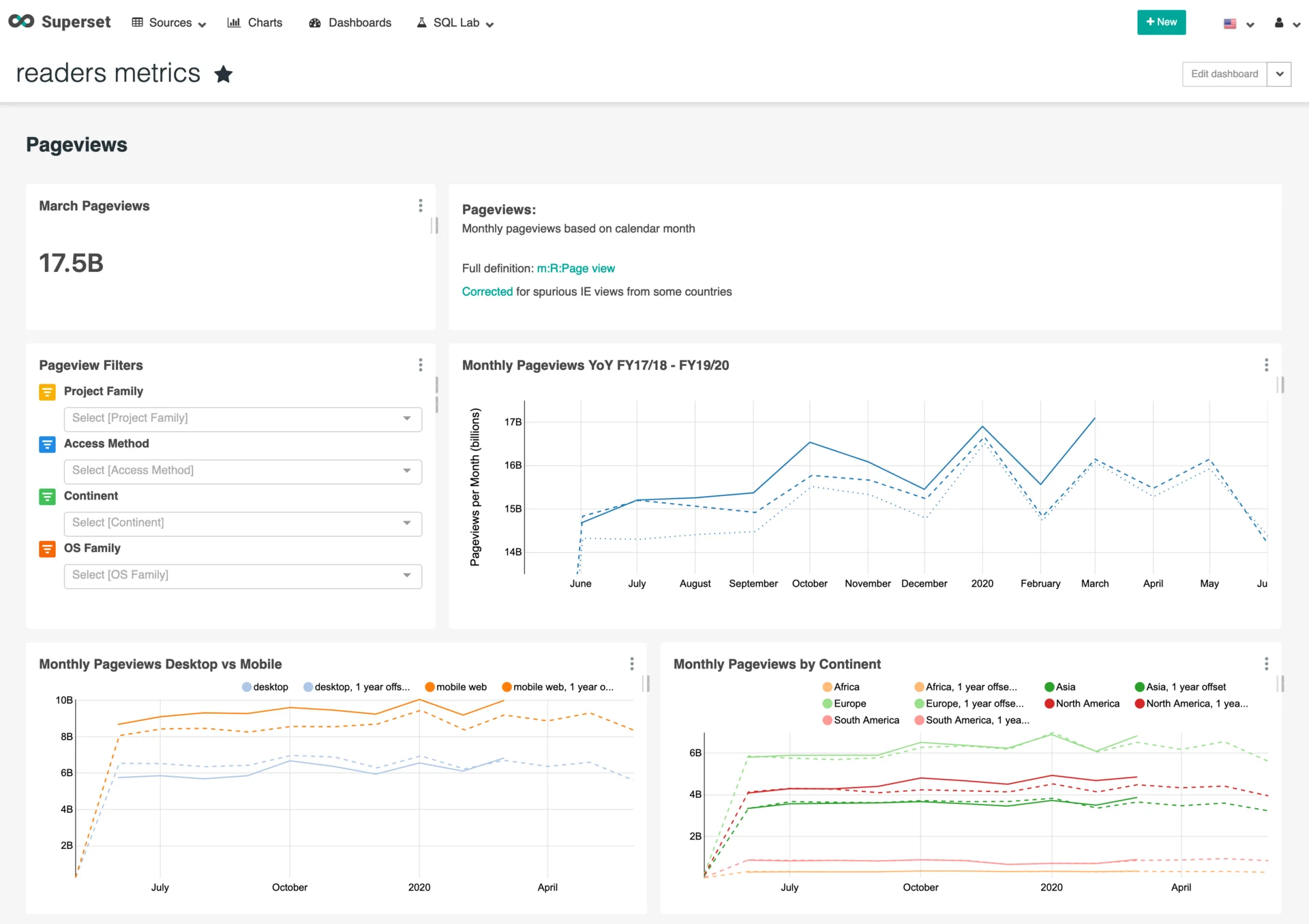
Data journalism, once a niche expertise confined to specialized teams or investigative units, has evolved into a fundamental component of contemporary newsrooms worldwide. The integration of data-driven techniques into routine reporting processes has transformed how stories are researched, narrated, and verified. Increasingly, major media organizations deploy quantitative analysis, visualization tools, and large datasets as standard elements of their editorial workflows.

Why it matters
The mainstreaming of data journalism represents a significant shift in the production and consumption of news. It enhances the depth and accuracy of reporting, enabling journalists to uncover patterns and trends that traditional methods might overlook. This approach also strengthens transparency and accountability by providing readers with evidence-based narratives anchored in verifiable data. In an era marked by misinformation and declining public trust in the media, data journalism offers a pathway to rebuild credibility through rigorous analysis.
Industry context
Over the past decade, advances in technology and the increasing availability of open data have lowered barriers to entry for data-driven reporting. News organizations have invested in dedicated data teams, incorporated analytics software, and fostered collaborations between journalists, statisticians, and developers. Prominent international outlets now routinely publish data visualizations alongside investigative pieces, while emerging digital platforms emphasize interactive storytelling formats. This trend aligns with broader shifts in media consumption, where audiences demand more nuanced, contextualized information supported by empirical evidence.

Analysis
The rise of data journalism reflects both an evolution in journalistic skill sets and a response to the complexities of modern information environments. As global issues such as climate change, public health crises, and economic inequality generate vast quantities of data, journalists equipped to interpret and communicate these datasets play a crucial role in shaping public discourse. However, this shift also introduces challenges, including the need for rigorous data literacy, ethical considerations surrounding data privacy, and the risk of overreliance on quantitative metrics at the expense of qualitative insights.
Moreover, the integration of data journalism into mainstream reporting demands continuous investment in training and infrastructure. Organizations must balance speed with accuracy, ensuring that data analyses are transparent and reproducible. The interplay between traditional investigative methods and emerging data techniques is evolving, fostering a hybrid model that leverages the strengths of both approaches.
What to watch next
Looking ahead, the trajectory of data journalism will likely be shaped by developments in artificial intelligence, machine learning, and open data policies. Journalists and media organizations will need to navigate the ethical implications of automated data analysis, while striving to maintain editorial independence and critical scrutiny. Additionally, the role of data journalism in combating misinformation and enhancing media literacy will be a critical area of focus. Observers should monitor how newsrooms adapt to these technological and societal shifts, and whether data journalism continues to deepen its influence across diverse media ecosystems globally.
Ask AI about this story
Answers are based on this article and SN Media’s related coverage. AI can make mistakes.
Frequently asked questions
How has data journalism changed the way news stories are researched and presented?
Data journalism has become integral to newsrooms, using quantitative analysis, visualization tools, and large datasets to research, narrate, and verify stories, enhancing depth and accuracy beyond traditional methods.
What challenges does the mainstream adoption of data journalism introduce?
Challenges include the need for rigorous data literacy, ethical concerns about data privacy, risks of overreliance on quantitative metrics over qualitative insights, and the necessity for ongoing investment in training and infrastructure.
How might future technological developments impact data journalism?
Advances in artificial intelligence, machine learning, and open data policies are expected to shape data journalism, raising ethical considerations around automated analysis and influencing how newsrooms maintain editorial independence and critical scrutiny.
What role does data journalism play in addressing misinformation and public trust?
Data journalism offers evidence-based narratives anchored in verifiable data, which can strengthen transparency, accountability, and credibility, thereby helping to combat misinformation and rebuild public trust in the media.
Continue the story
 LATEST
Unveiling the Hidden Economic Impact of AI: Beyond Official Data
LATEST
Unveiling the Hidden Economic Impact of AI: Beyond Official Data
- LATEST OpenAI’s New Safety Disclosure System: Setting Industry Standards for AI Transparency
- LATEST How AI Investment is Reshaping Corporate Credit Markets
- LATEST From Street Market to Global Spotlight: The Impact of TikTok on Emerging Fashion Brands
- LATEST How Michigan’s Public-Private Partnerships Are Shaping the Future of American Manufacturing