







- Escalating costs in AI research and deployment intensify investor anxiety in US tech sector.
- Major technology companies, including Intel, experience sustained stock price declines.
- Nasdaq opens at a two-month low, reflecting broader market unease about AI-driven capital allocation.
- Market reactions highlight tension between long-term AI investment potential and short-term profitability concerns.
What happened
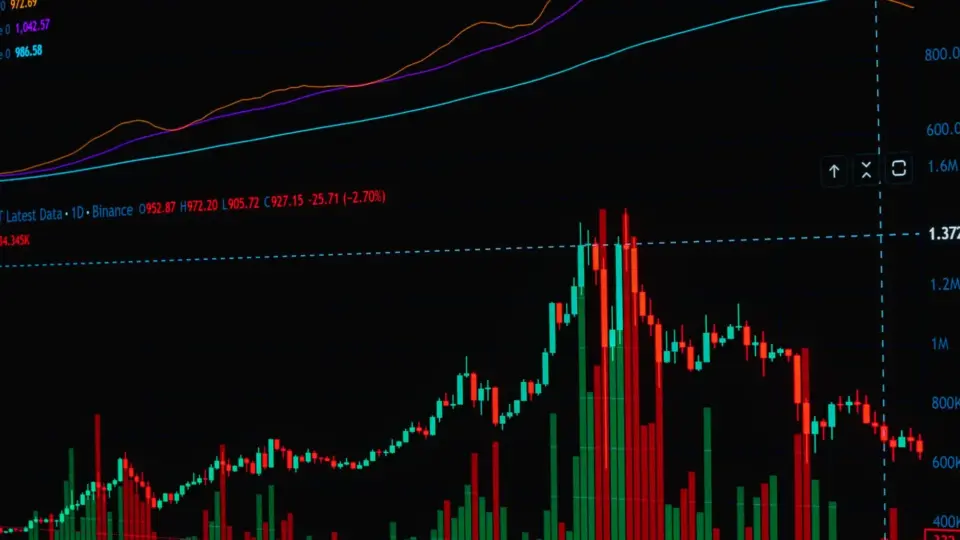
A pronounced sell-off has gripped US technology stocks amid mounting investor concerns over the rising financial burden of artificial intelligence development. Shares of industry stalwarts, most notably Intel, have trended downward, with Intel extending its losses following disappointing earnings and cautious guidance linked to AI-related expenses. This downturn coincided with the Nasdaq Composite index opening at its lowest point in two months, signaling a shift in market sentiment away from previously buoyant tech valuations. The sell-off underscores a growing wariness about the sustainability of elevated spending on AI research and infrastructure amid uncertain near-term returns.
Why it matters
The recalibration of tech stock valuations due to AI investment apprehensions carries implications beyond immediate market fluctuations. It reveals investor sensitivity to the balance between the immense capital required for AI innovation and the time horizon over which such investments might yield revenue. This dynamic pressures technology companies to justify hefty R&D and data center expenditures in the face of shareholder demand for profitability. Furthermore, the sell-off signals potential volatility ahead as markets wrestle with how to price the transformative but costly AI strategies deployed by leading firms. The impact resonates through sectors reliant on AI-enabled services and hardware, influencing corporate strategies and capital flows.
Industry context
Artificial intelligence development is inherently capital intensive, demanding significant outlays for specialized chips, expansive data centers, and highly skilled personnel. The semiconductor industry, exemplified by companies like Intel, faces particular strain as it undertakes costly retooling to support AI workloads. Meanwhile, cloud providers and software firms allocate substantial budgets to integrate AI capabilities into their offerings. These investments occur against a backdrop of macroeconomic uncertainty, including inflationary pressures and tightening monetary policy, which constrain discretionary spending and elevate risk aversion. The interplay of these forces shapes a complex environment where AI innovation must compete with broader financial market realities.
Analysis
Investor unease arises from the increasing visibility of AI-related expenditures that weigh on short-term earnings without immediate revenue offsets. Intel’s continued share price decline reflects skepticism about its ability to regain competitive footing in AI chip markets dominated by rivals with more advanced architectures. The broader Nasdaq slump highlights a market grappling with the valuation implications of sustained, high-cost AI investment cycles. This tension exposes a trade-off: companies must invest heavily now to secure future technological leadership, yet these costs exacerbate near-term margin pressures, prompting some investors to recalibrate expectations. The sell-off thus embodies a critical juncture where capital markets implicitly assess the timing and scale of AI’s commercial payoffs.
What to watch next
Market participants will closely monitor quarterly earnings reports and corporate guidance for signals on AI spending trajectories and profitability outlooks. Intel’s strategic moves, including product launches and partnerships in the AI domain, will serve as a bellwether for investor confidence in legacy chipmakers’ AI competitiveness. Additionally, broader market reactions to central bank policies and inflation data will influence the risk appetite for tech stocks carrying elevated AI investment burdens. Developments in AI monetization models, regulatory interventions, and technological breakthroughs could recalibrate investor sentiment and reshape capital allocation patterns in this pivotal sector.
Ask AI about this story
Answers are based on this article and SN Media’s related coverage. AI can make mistakes.
Frequently asked questions
What caused the recent sell-off in US tech stocks according to the article?
The sell-off was triggered by growing investor concerns over escalating costs in AI research and deployment, which have pressured major tech companies like Intel and contributed to the Nasdaq opening at a two-month low.
Why are investors worried about AI-related spending despite its long-term potential?
Investors are uneasy because AI development requires substantial capital outlays that weigh on short-term earnings without immediate revenue returns, creating tension between the need for heavy investment now and shareholder demands for near-term profitability.
How is Intel specifically affected by the AI investment concerns?
Intelu2019s shares have continued to decline due to disappointing earnings and cautious guidance linked to AI expenses, with skepticism about its ability to compete in AI chip markets dominated by rivals with more advanced technology.
What indicators will market participants watch to assess the future impact of AI investments on tech stocks?
Investors will monitor quarterly earnings, corporate guidance on AI spending, Intelu2019s strategic initiatives in AI, central bank policies, inflation data, and developments in AI monetization, regulation, and technology breakthroughs to gauge future market sentiment and capital allocation.
Continue the story
 LATEST
The Impact of Amazon and Intel’s AI Setbacks on Global Tech Stocks