






- The US plans to develop a nuclear-powered merchant fleet to enhance strategic maritime logistics and resilience.
- This initiative responds directly to China’s expanding naval capabilities and dominant shipbuilding industry.
- Nuclear propulsion offers operational advantages but introduces complex regulatory, environmental, and geopolitical challenges.
- The move signals a potential shift in maritime power projection and supply chain security frameworks worldwide.
Strategic Implications of the US Nuclear-Powered Merchant Fleet on Global Maritime Security
What happened
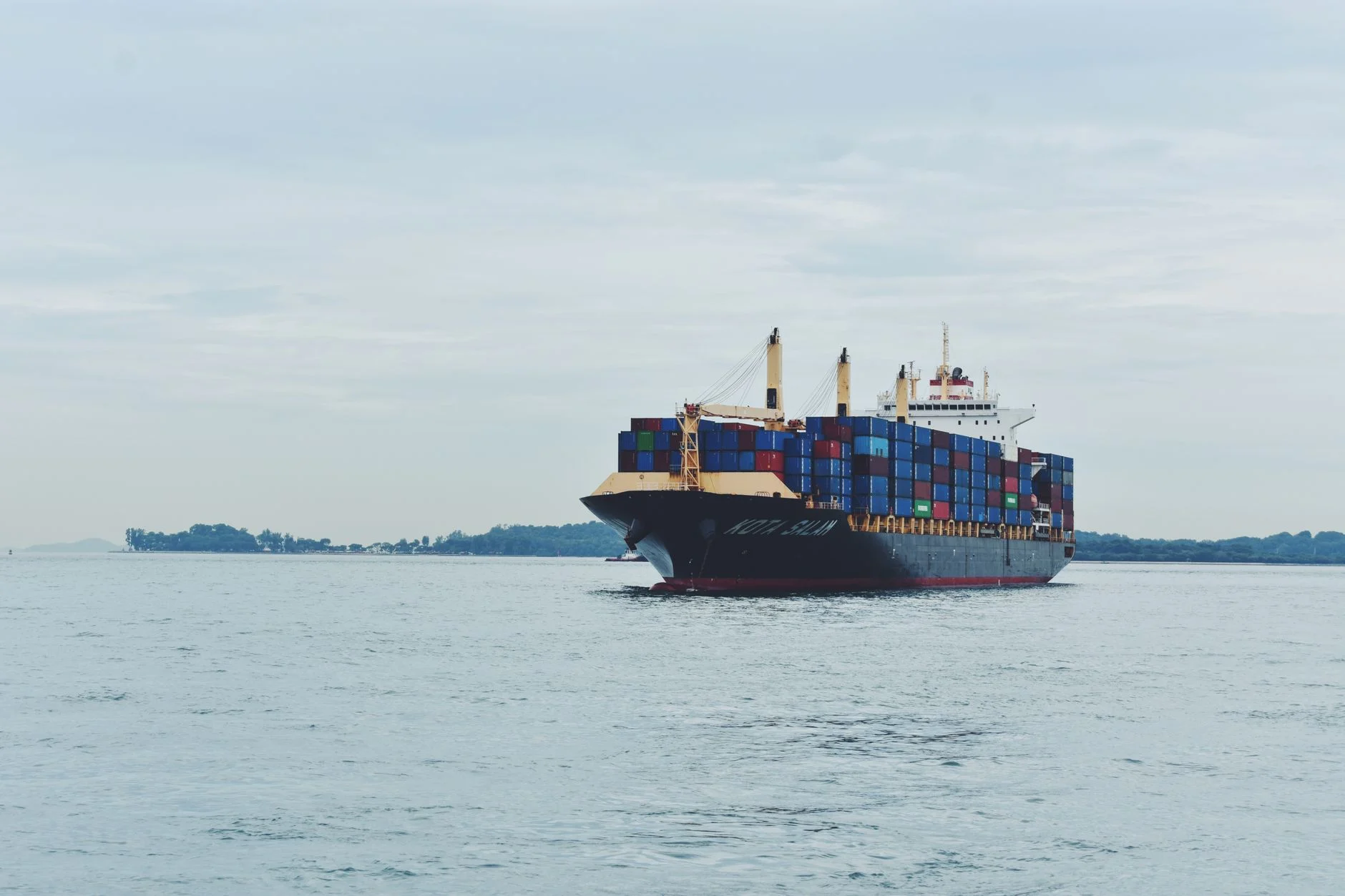
The United States is advancing plans to develop a fleet of nuclear-powered merchant vessels, a move that marks a significant evolution in maritime logistics and naval strategy. This initiative is positioned as a response to shifting global maritime power balances, particularly the rapid expansion of China’s naval forces and its shipbuilding dominance. While the US Navy has long operated nuclear-powered warships, the extension of this technology to commercial cargo vessels represents an unprecedented step intended to enhance endurance, speed, and operational flexibility of supply chains critical to national security.
Why it matters
Maritime trade routes are the arteries of the global economy and the lifelines of military logistics. The introduction of nuclear propulsion into merchant shipping could reshape the strategic calculus of maritime security by reducing reliance on fossil fuels and vulnerability to chokepoints and blockades. For the United States, the ability to move military cargo and essential goods with minimal refueling requirements and greater operational range could prove decisive in a high-stakes geopolitical contest. Simultaneously, it raises questions about nuclear safety regulations, environmental oversight, and the potential for military escalation in contested waters.
Industry context
China’s shipbuilding industry has surged ahead in global capacity and technological sophistication, underpinning its expanding blue-water navy and merchant fleet. Chinese shipyards produce a significant share of the world’s commercial vessels, advancing capabilities in both scale and innovation. This growth enhances China’s ability to project power, secure supply chains, and influence critical maritime corridors. In contrast, the US commercial shipbuilding sector has diminished, with limited nuclear propulsion expertise outside the naval domain. The US initiative thus represents an attempt to reclaim influence in maritime logistics and counterbalance China’s integrated approach to naval and commercial fleet development.
Analysis
Nuclear propulsion in merchant shipping is not new in concept but has remained largely experimental due to regulatory complexities, high upfront costs, and public concern over nuclear safety. The US’s renewed interest is driven by strategic imperatives rather than commercial economics alone. Nuclear-powered vessels can operate longer at sea without refueling, which is crucial in conflict scenarios where access to fuel supplies may be restricted. This endurance advantage also fits into broader US military logistics doctrines emphasizing rapid and resilient force projection.
However, integrating nuclear propulsion into commercial fleets introduces multifaceted challenges. International maritime law and port state controls will need to adapt to accommodate nuclear-powered merchant vessels, potentially complicating access to foreign ports and straining diplomatic relations. Environmental watchdogs and coastal communities might resist such ships due to accident risks, radioactive waste management issues, and potential contamination. Moreover, the dual-use nature of these vessels blurs lines between commercial and military assets, possibly escalating tensions in maritime hotspots such as the South China Sea.
From a strategic standpoint, the US move can be interpreted as a signal to allies and adversaries alike that it intends to maintain robust, independent maritime supply chains and counterbalance China’s growing influence. The technological leap could incentivize other maritime powers to explore similar developments, potentially triggering a redefinition of naval and commercial fleet roles and leading to new norms around nuclear maritime assets.
What to watch next
Key developments to monitor include the US government’s ability to navigate the regulatory environment governing nuclear propulsion and its coordination with international maritime organizations. The reactions of China and other major maritime states will be pivotal, particularly if they perceive this fleet as a strategic threat requiring countermeasures. Technological progress in reactor miniaturization and safety will also shape the feasibility and acceptance of these vessels. Finally, how this initiative integrates into broader US maritime and defense policies, including alliances and supply chain strategies, will determine its lasting impact on the global maritime security landscape.
Ask AI about this story
Answers are based on this article and SN Media’s related coverage. AI can make mistakes.
Frequently asked questions
Why is the US developing a nuclear-powered merchant fleet now?
The US initiative responds to Chinau2019s expanding naval capabilities and dominant shipbuilding industry, aiming to enhance strategic maritime logistics, endurance, and operational flexibility in supply chains critical to national security.
What are the main challenges associated with nuclear-powered merchant vessels?
Challenges include adapting international maritime law and port controls, addressing environmental and safety concerns, managing radioactive waste, and the potential for increased geopolitical tensions due to the dual-use nature of these vessels.
How might this development affect global maritime security dynamics?
It could shift maritime power projection by reducing reliance on fossil fuels and chokepoints, signaling US intent to maintain independent supply chains and counterbalance China, while potentially prompting other countries to pursue similar nuclear propulsion technologies.
What key factors will influence the success of the US nuclear-powered merchant fleet initiative?
Success depends on navigating regulatory environments, international coordination, technological advances in reactor safety and miniaturization, and the reactions of China and other maritime states to this strategic move.
Continue the story
 LIVE · Follow the latest developments
Hurricane Simon live: Strengthens to Category 4, nears Mexico’s Pacific coast
LIVE · Follow the latest developments
Hurricane Simon live: Strengthens to Category 4, nears Mexico’s Pacific coast