








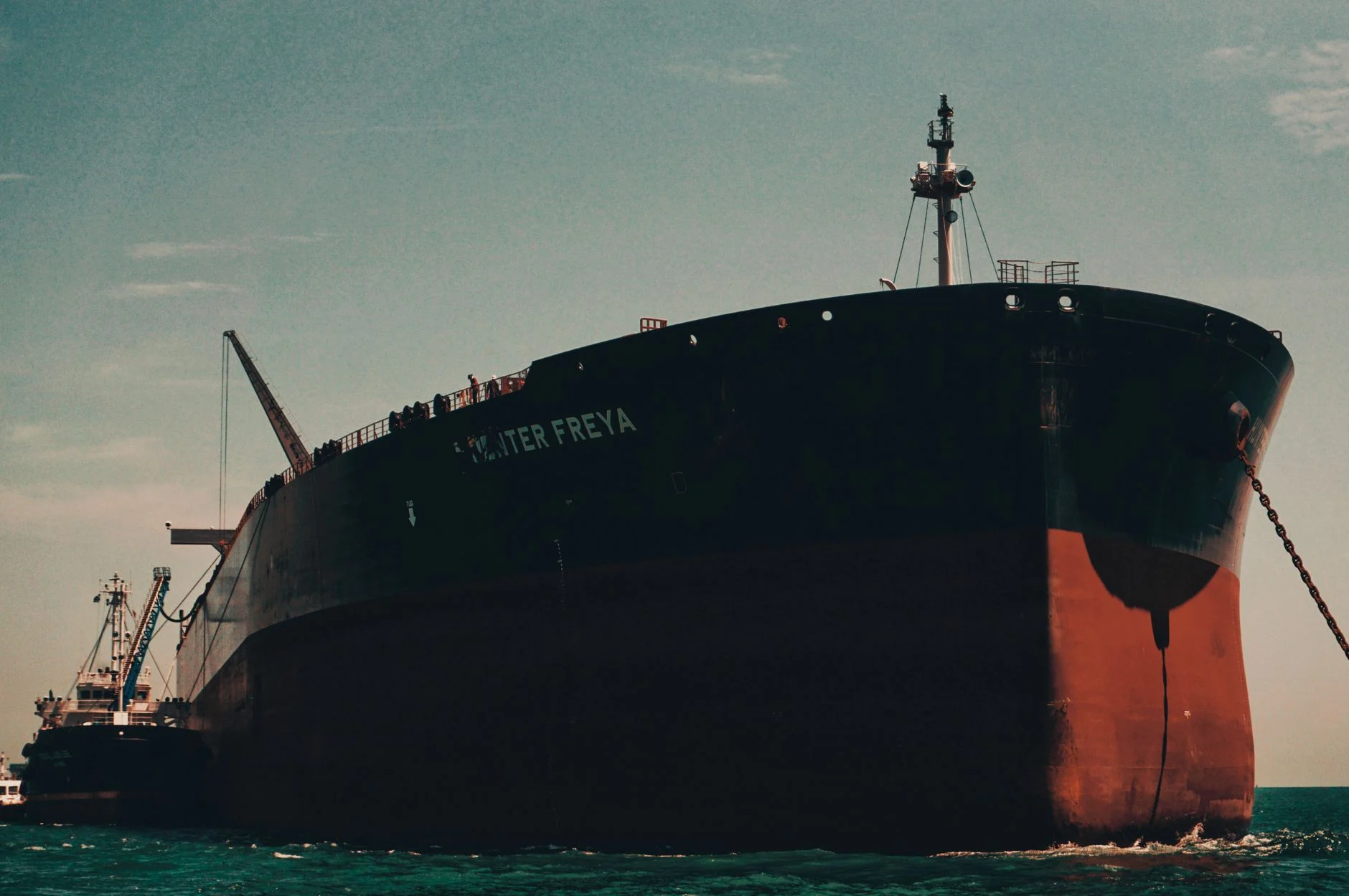
- Disputes over freight rates are increasingly common amid shifting oil demand and supply patterns.
- Large claims, such as Hunter Group ASA’s $55 million case, highlight contractual ambiguities and enforcement challenges.
- Regulatory frameworks struggle to keep pace with market volatility and complex charterparty agreements.
- Freight rate instability influences global oil shipping costs, impacting broader energy market dynamics.
The Global Impact of Freight Rate Disputes on Oil Shipping Markets
What happened
Hunter Group ASA, a notable player in the oil tanker sector, has publicly asserted a claim exceeding $55 million over disputed freight rates. This legal contention centers on contractual disagreements between Hunter and counterparties regarding the agreed price for transporting crude oil. While freight rate disputes are not uncommon, the magnitude of this claim underscores deepening tensions within the oil shipping industry. The dispute arose amid fluctuating demand patterns and evolving contractual practices, reflecting broader structural shifts in global maritime trade.
Why it matters
Freight rates are the critical pricing mechanism governing the cost of oil transport, directly influencing the economics of crude supply chains. Disputes of this scale signal underlying uncertainties in contract interpretation and enforcement, which can ripple through the market by inflating transaction costs and deterring new charters. Furthermore, they expose vulnerabilities in the legal and regulatory frameworks designed to arbitrate such conflicts internationally. For oil producers, refiners, and traders, prolonged or unresolved freight disputes translate into unpredictable shipping expenses, complicating logistical and financial planning.
Industry context
The oil shipping market operates under complex charterparty agreements that often hinge on fluctuating spot and contract rates. Recent years have seen increased volatility driven by shifting energy demand—particularly post-pandemic recovery patterns, geopolitical tensions, and the transition to alternative energy sources. These factors have complicated freight rate negotiations, with parties frequently contesting rate adjustments tied to market indices or fuel surcharges. Regulatory oversight remains fragmented, as maritime law involves multiple jurisdictions and arbitration bodies, each with varying interpretations of contractual terms. This landscape creates fertile ground for disputes and protracted litigation.
Analysis
Hunter Group’s $55 million claim exemplifies the friction between rigid contractual frameworks and the fluid realities of the oil shipping market. Charterparty agreements often include clauses referencing benchmark indices or formulas to adjust rates; however, rapid market swings can render these mechanisms contentious. Disagreements typically center on timing, applicability, and calculation methods of rate adjustments. The dispute also reflects broader risk allocation challenges: shipowners seek to hedge against volatile fuel costs and operational uncertainties, while charterers aim to minimize expenses amid fluctuating oil prices. The resulting legal conflicts underscore a need for clearer contractual language and more adaptive dispute resolution mechanisms.
Moreover, this case highlights the strategic role of freight rates as both economic signals and negotiation tools. When disputes escalate to multimillion-dollar claims, they can stall shipping operations and distort market signals, thereby affecting supply chain reliability. The interplay between private contractual enforcement and public regulatory frameworks remains delicate, with international arbitration serving as the primary recourse but often incurring lengthy delays and considerable legal expenses.
What to watch next
The resolution of Hunter Group’s claim will be instructive for how the industry manages freight rate disputes amid ongoing market volatility. Stakeholders should monitor whether this case prompts revisions in charterparty standardization or inspires regulatory initiatives aimed at harmonizing dispute resolution. Additionally, evolving geopolitical developments and energy transition policies will continue to shape freight rate dynamics, potentially increasing the frequency and complexity of contractual conflicts. Observers would also do well to track technological and data-driven innovations in freight rate monitoring, which might improve transparency and reduce contractual ambiguities. Ultimately, the industry’s capacity to adapt its legal and commercial frameworks will determine the stability of oil shipping markets in this unpredictable era.
Ask AI about this story
Answers are based on this article and SN Media’s related coverage. AI can make mistakes.
Frequently asked questions
What is the nature of Hunter Group ASAu2019s $55 million claim in the oil shipping dispute?
Hunter Group ASAu2019s claim involves contractual disagreements over the agreed freight rates for transporting crude oil, highlighting ambiguities in contract interpretation and enforcement amid fluctuating market conditions.
How do freight rate disputes like this one affect the broader oil shipping and energy markets?
Such disputes increase transaction costs, deter new charters, and create unpredictability in shipping expenses, which complicates logistical and financial planning for oil producers, refiners, and traders, thereby influencing global energy market dynamics.
What challenges do current regulatory frameworks face in resolving these freight rate disputes?
Regulatory oversight is fragmented across multiple jurisdictions and arbitration bodies with varying interpretations of contracts, leading to protracted litigation and difficulties in harmonizing dispute resolution amid market volatility.
What potential outcomes or industry changes could result from the resolution of Hunter Groupu2019s claim?
The case may prompt revisions in charterparty standardization, inspire regulatory initiatives for harmonized dispute resolution, and encourage adoption of technological innovations to improve transparency and reduce contractual ambiguities in freight rate monitoring.
Continue the story
 LATEST
Global Oil Supply Chains at Risk as Supertanker Shortage Drives Up Costs
LATEST
Global Oil Supply Chains at Risk as Supertanker Shortage Drives Up Costs
- LATEST Global Fuel Supply Chains Under Strain: How Geopolitics Are Driving Diesel Prices Up
- LATEST Global Energy Markets Brace for Impact as G7 Releases 100 Million Barrels of Oil and Diesel
- LATEST Impact of Aramco’s Asia Oil Price Cut on Global Energy Markets
- LATEST Europe’s Strategic Fuel Reserves: Can Releasing Stocks Ease Diesel Price Inflation?