








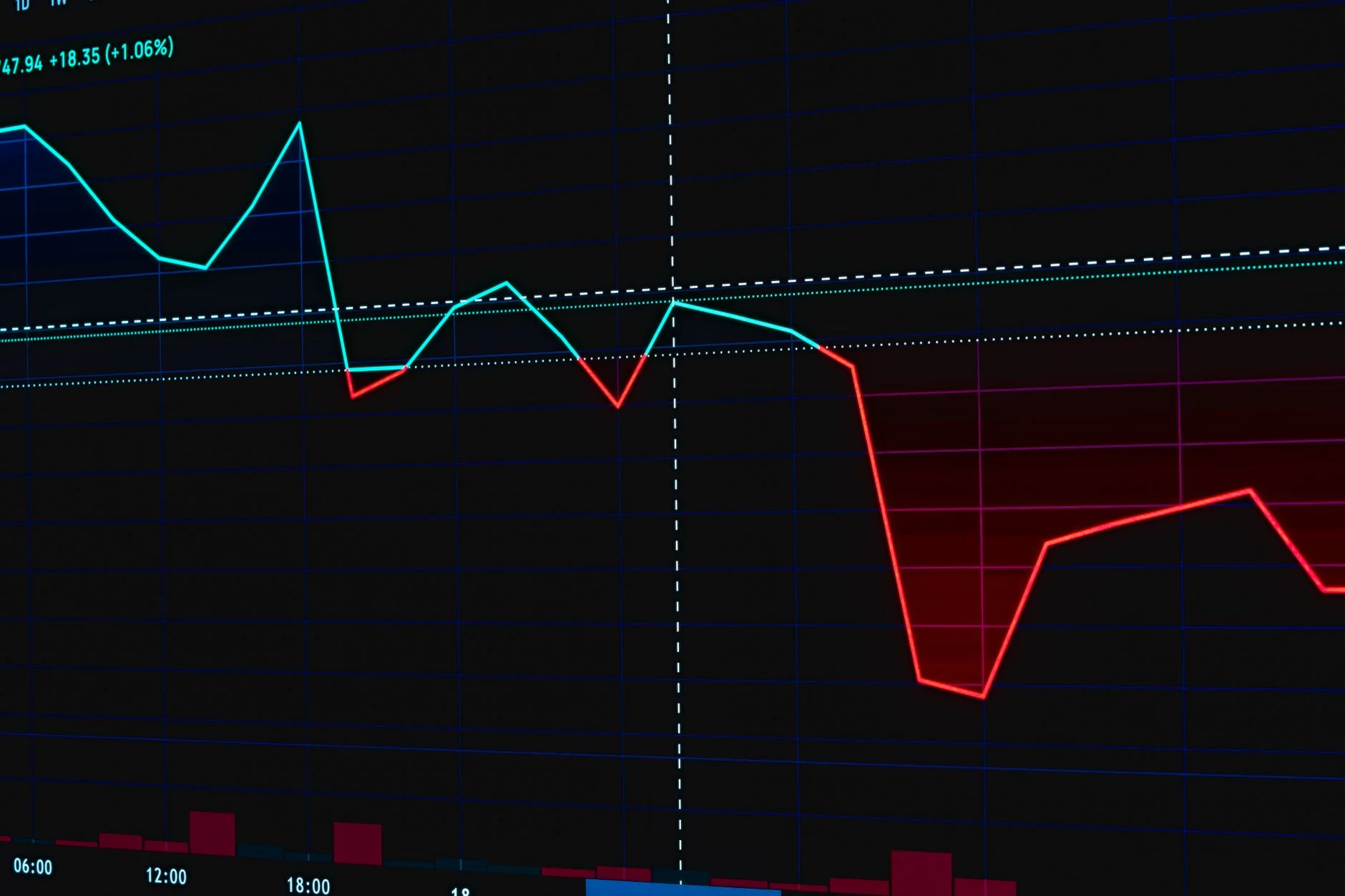
- Leading Chinese solar manufacturers, including Longi Green Energy, report significant net losses in H1 2026 amid intensifying price competition.
- Supply chain bottlenecks and rising raw material costs continue to erode profit margins in the global solar sector.
- Policy shifts and subsidy recalibrations in major markets weaken demand momentum, complicating revenue forecasts for producers.
- Industry consolidation and technological innovation emerge as potential responses to structural challenges facing solar manufacturers.
What happened
Chinese solar panel manufacturers, notably Longi Green Energy, have disclosed substantial net losses in the first half of 2026. Longi’s financial statements reveal deepening deficits compared to previous periods, signaling sustained pressure on profitability. This downturn is not isolated; other major Chinese producers report similar struggles, underscoring systemic issues within the solar manufacturing ecosystem. The losses coincide with a broader industry environment marked by falling module prices, disrupted supply chains, and evolving demand patterns across key international markets.
Why it matters
These financial results spotlight the fragility of the global solar supply chain and the challenges that arise when cost structures and market dynamics are misaligned. China dominates solar panel production, supplying over 70% of global demand; therefore, distress among its manufacturers reverberates throughout the renewable energy sector. The sector’s ability to scale up clean energy deployment depends heavily on sustainable manufacturing economics. Persistent losses threaten investment in capacity expansion and innovation, potentially slowing the pace of global solar adoption at a critical juncture for climate targets.
Industry context
The solar industry has entered a phase of intense price competition, driven partly by overcapacity and partly by aggressive policy shifts in major consuming countries. Subsidy adjustments in the European Union and the United States have introduced uncertainty in demand forecasts, while import tariffs and trade tensions complicate market access. Concurrently, raw material costs—particularly polysilicon and silver—have experienced volatility, squeezing margins. Supply chain disruptions, including logistical bottlenecks and energy price spikes in manufacturing hubs, exacerbate cost pressures. Industry consolidation through mergers and acquisitions has accelerated as companies seek to optimize scale and reduce redundancies.
Analysis
Longi’s and peer companies’ losses reflect a confluence of structural and cyclical factors. The business model of high-volume, low-margin manufacturing has been destabilized by commodity price inflation and disrupted logistics, which are difficult to pass on to customers given prevailing price wars. Furthermore, shifting policy environments have altered demand curves abruptly, impairing producers’ ability to plan capital expenditures and production runs efficiently. The capital-intensive nature of solar manufacturing demands consistent returns to fund technological upgrades—such as bifacial panels and improved wafer efficiencies—that could restore competitiveness. Without such investments, producers risk commoditization and margin erosion. The situation may catalyze industry rationalization, favoring firms capable of vertical integration or those with diversified product portfolios extending into energy storage and project development.
What to watch next
The trajectory of Chinese solar manufacturers will hinge on their capacity to adapt through innovation and strategic realignment. Monitoring government policy responses, both in China and importing countries, will be crucial, as targeted subsidies or trade measures could recalibrate market dynamics. Developments in raw material supply chains, including efforts to secure alternative sources or reduce material intensity, will also be critical. On the demand side, progress in large-scale solar deployment projects and corporate renewable procurement commitments will influence order books. Finally, potential consolidation moves could reshape competitive landscapes, determining which players emerge resilient and which may exit or pivot away from core manufacturing.
Ask AI about this story
Answers are based on this article and SN Media’s related coverage. AI can make mistakes.
Frequently asked questions
What are the main reasons behind the losses reported by Chinese solar manufacturers like Longi Green Energy in H1 2026?
The losses stem from intense price competition, supply chain bottlenecks, rising raw material costs, and policy shifts that weaken demand momentum, all of which erode profit margins and disrupt production planning.
How do these financial difficulties among Chinese solar producers impact the global solar industry?
Since China supplies over 70% of global solar panels, financial distress among its manufacturers threatens investment in capacity expansion and innovation, potentially slowing global solar adoption and affecting the renewable energy sector broadly.
What industry trends or strategies are emerging in response to these challenges?
Industry consolidation through mergers and acquisitions and technological innovation, such as improved panel efficiencies, are seen as potential responses to structural challenges, with firms seeking to optimize scale and diversify product portfolios.
What factors will determine the future trajectory of Chinese solar manufacturers according to the article?
Their ability to innovate and realign strategically, government policy responses, developments in raw material supply chains, progress in solar deployment projects, and potential consolidation moves will be critical in shaping their future resilience and competitiveness.
Continue the story
 LATEST
The Rise of AI in China: Implications for Consumer Market Investors
LATEST
The Rise of AI in China: Implications for Consumer Market Investors
- LATEST Implications of China’s Slowing Credit Growth on Global Markets
- LATEST How Falling Oil Prices Are Reshaping Global Market Sentiment Amid European Debt Worries
- LATEST Global Energy Markets Brace for Impact as G7 Releases 100 Million Barrels of Oil and Diesel
- LATEST The Corporate Missteps Behind Nike’s Decline: A Deep Dive