








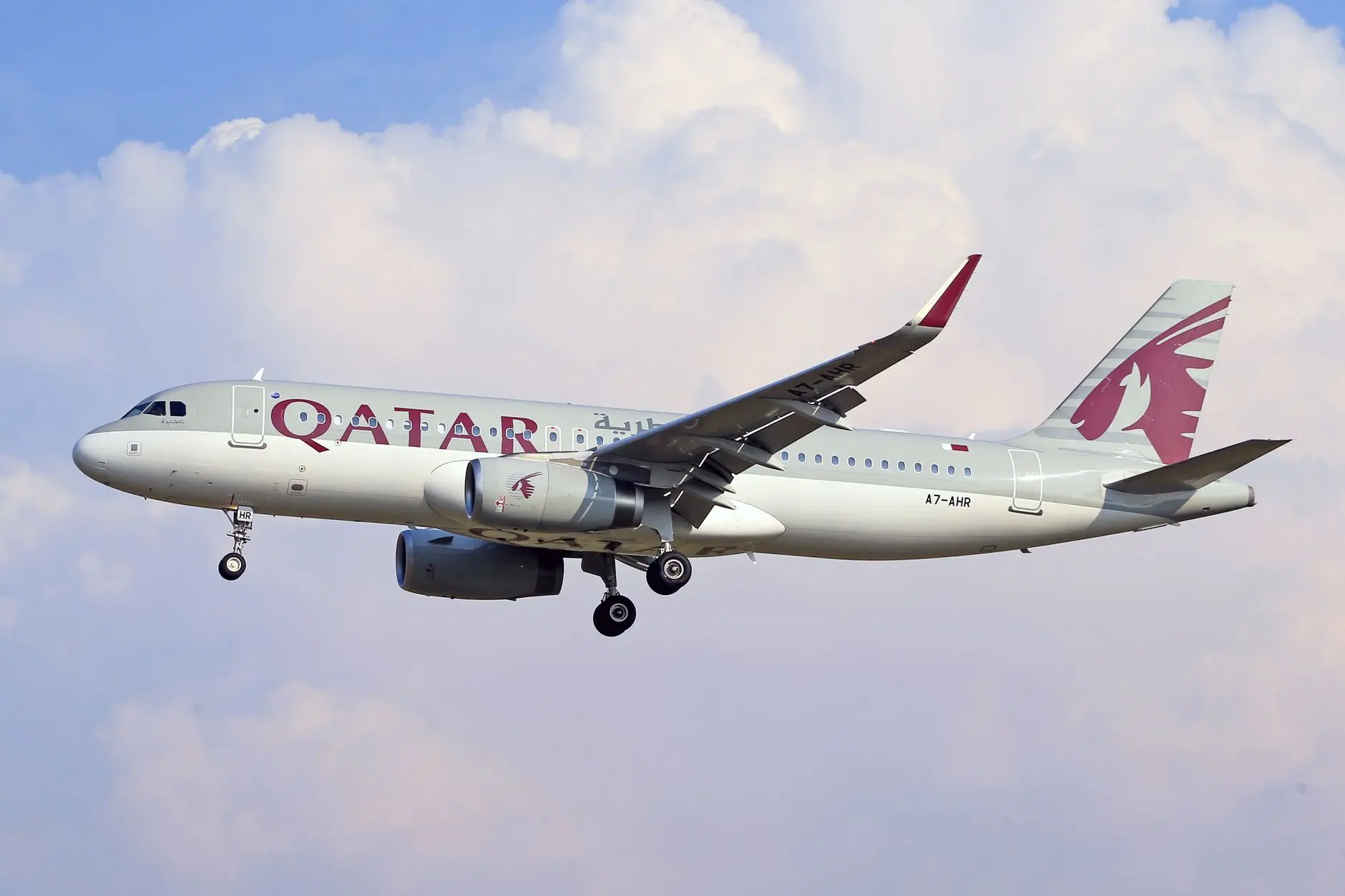
- Qatar Airways sources significant jet fuel volumes beyond the Middle East due to regional pricing structures and supply constraints.
- Geopolitical tensions and long-term contracts influence the airline’s procurement strategies more than proximity to crude oil reserves.
- Global refining capacity and fuel quality standards create logistical complexities that shape jet fuel supply decisions.
- Shifts in international fuel markets are prompting Gulf carriers to adopt diversified sourcing to manage cost volatility and operational resilience.
The Global Jet Fuel Supply Chain: Why Qatar Airways Looks Beyond the Middle East
What happened
Despite Qatar’s status as one of the world’s leading crude oil and natural gas producers, Qatar Airways increasingly purchases jet fuel from suppliers outside the Middle East. This divergence from geographical expectation reflects a complex interplay of market dynamics, regional refinery output, and contractual frameworks that influence fuel procurement. The airline’s strategic sourcing decisions prioritize cost efficiency and supply reliability over proximity to crude sources, resulting in fuel acquisitions from global refining hubs in Asia and Europe.
Why it matters
Jet fuel comprises a substantial portion of operating costs for international airlines, influencing ticket pricing, route viability, and profitability. Qatar Airways’ choice to look beyond local fuel markets signals important shifts within the global energy and aviation sectors. It underscores how crude oil availability does not translate straightforwardly into competitive jet fuel pricing or supply security. Understanding these supply chain intricacies is critical for policymakers, industry stakeholders, and analysts assessing the resilience and cost structures of Middle Eastern carriers as they navigate evolving geopolitical and economic landscapes.
Industry context
The jet fuel supply chain is shaped by refining capacity, fuel specifications, regional demand, and long-term supply agreements. Middle Eastern crude producers have historically leveraged their oil exports to supply regional airlines at competitive rates. However, refining infrastructure in the Gulf region prioritizes diesel and petrochemical feedstocks over aviation fuel, leading to constrained jet fuel output. Additionally, geopolitical factors such as sanctions, export restrictions, and diplomatic disputes affect the flow and pricing of refined products. International carriers must therefore weigh the costs and benefits of sourcing from local refiners versus importing fuel from established refining centers in Asia, Europe, or the Americas, where complex refinery configurations can produce jet fuel at scale and quality standards aligned with international regulations.
Analysis
Qatar Airways’ procurement strategy reflects a nuanced response to the realities of the global jet fuel market. While the Middle East is rich in crude oil, refining bottlenecks and product slate prioritization limit the availability of competitively priced jet fuel. Local refineries often produce heavier fuel oil grades and export crude rather than refined products, compelling airlines to seek external suppliers. Long-term contracts with global refiners, particularly in Singapore and the Netherlands, provide Qatar Airways with predictable pricing and supply volumes, mitigating risks associated with regional market volatility.
Moreover, geopolitical tensions in the Gulf introduce variables that complicate fuel logistics, such as airspace restrictions and shipping routes. By diversifying fuel sources, Qatar Airways enhances its operational flexibility, allowing it to optimize fuel costs and manage supply disruptions. This approach reveals the importance of refining capacity distribution and contractual agility in the global aviation fuel supply chain, where crude availability is necessary but insufficient for securing cost-effective jet fuel.
What to watch next
The evolution of refining capacity in the Middle East will remain a key factor influencing regional jet fuel supply dynamics. Investments in refinery upgrades or new facilities that prioritize jet fuel production could alter procurement patterns for Gulf carriers. Additionally, shifts in global geopolitics—such as changes in sanctions regimes, trade agreements, or regional alliances—may impact the logistics and economics of fuel sourcing. Monitoring the development of alternative fuel technologies, including sustainable aviation fuels, will also be essential, as these could reshape supply chains and cost structures in the coming decade. Qatar Airways’ ongoing fuel procurement decisions will serve as a bellwether for how Middle Eastern airlines balance local resource advantages with the imperatives of a globalized, interconnected air transport industry.
Ask AI about this story
Answers are based on this article and SN Media’s related coverage. AI can make mistakes.
Frequently asked questions
Why does Qatar Airways source jet fuel from outside the Middle East despite Qatar's crude oil production?
Qatar Airways sources jet fuel beyond the Middle East because regional refining capacity prioritizes diesel and petrochemical feedstocks over aviation fuel, leading to constrained jet fuel output and less competitive pricing locally. Long-term contracts with global refiners also provide more predictable pricing and supply volumes.
How do geopolitical factors influence Qatar Airways' jet fuel procurement?
Geopolitical tensions in the Gulf create complications such as airspace restrictions and shipping route challenges, prompting Qatar Airways to diversify fuel sources to enhance operational flexibility and mitigate supply risks.
What role do refining capacity and fuel quality standards play in Qatar Airways' fuel sourcing decisions?
Global refining capacity and fuel quality standards shape logistical complexities, as refineries outside the Middle Eastu2014particularly in Asia and Europeu2014can produce jet fuel at scale and meet international specifications, influencing Qatar Airways to procure from these regions.
What future developments could affect Qatar Airways' jet fuel supply strategy?
Investments in Middle Eastern refinery upgrades prioritizing jet fuel, changes in geopolitical conditions such as sanctions or trade agreements, and advances in alternative fuels like sustainable aviation fuels could all impact Qatar Airways' procurement patterns and cost structures.
Continue the story
 BACKGROUND · How we got here
Global Fuel Supply Chains Under Strain: How Geopolitics Are Driving Diesel Prices Up
BACKGROUND · How we got here
Global Fuel Supply Chains Under Strain: How Geopolitics Are Driving Diesel Prices Up