







- Plug-in solar panels offer a low-barrier entry to domestic renewable energy adoption in the UK.
- Government incentives aim to accelerate household uptake amid rising energy costs and climate targets.
- Economic benefits hinge on panel efficiency, installation costs, and integration with existing energy systems.
- Wider adoption could reshape the UK’s energy demand profile and grid management strategies.
How Plug-in Solar Panels Could Revolutionize UK Household Energy Costs
What happened
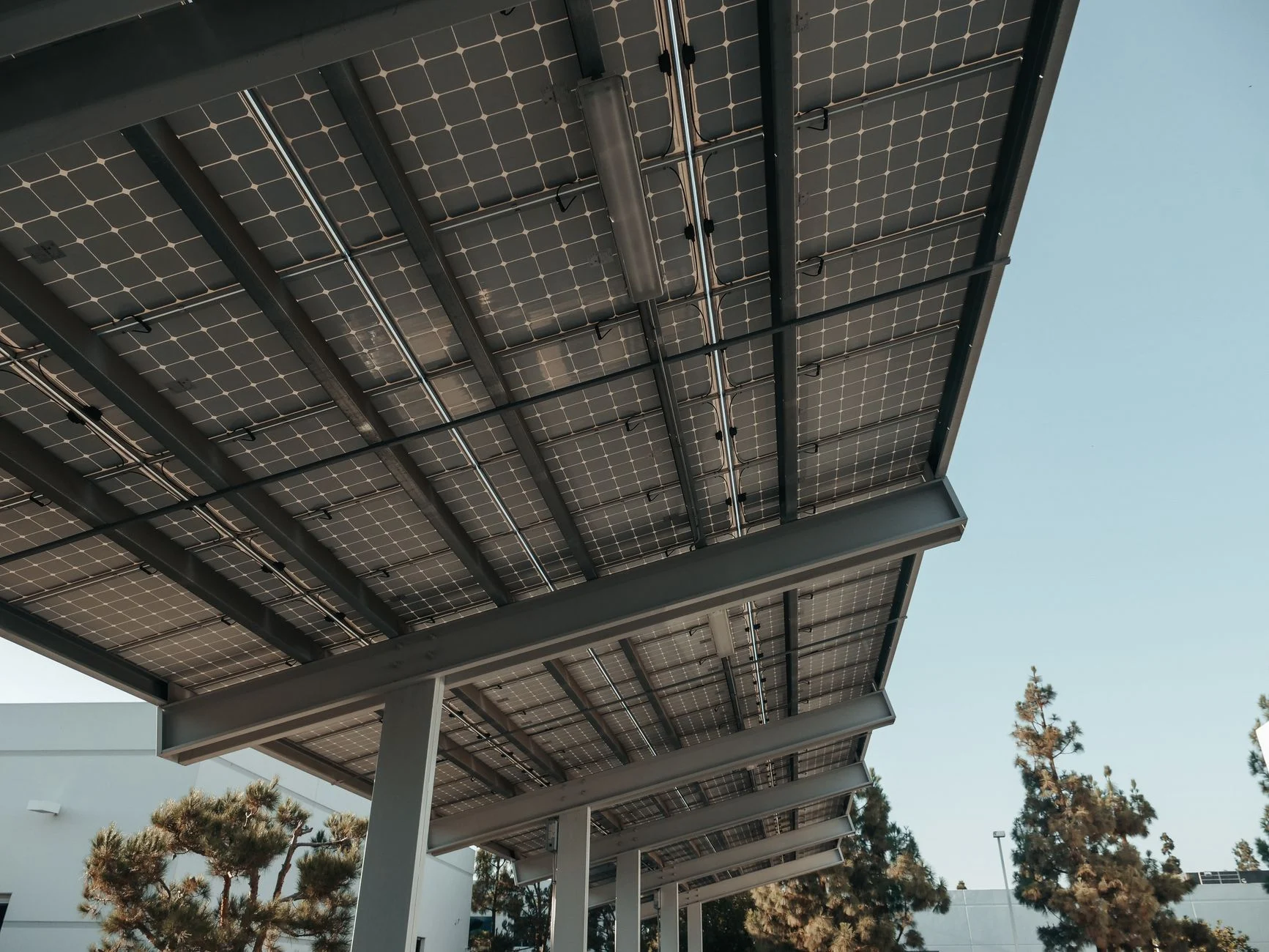
The UK government has intensified efforts to encourage households to adopt plug-in solar panels as a means to alleviate soaring energy bills and contribute to national decarbonization goals. This policy push includes financial incentives and streamlined installation frameworks intended to lower barriers for consumers. Unlike traditional solar panel systems that often require professional installation and significant upfront investment, plug-in solar panels present a more accessible option that can be connected directly to household electrical outlets. These developments come against a backdrop of volatile global energy markets, elevated utility prices in the UK, and an urgent policy imperative to reduce carbon emissions in line with the country’s legally binding climate commitments.
Why it matters
Domestic energy expenditure constitutes a significant share of household budgets, especially in lower-income segments that are disproportionately affected by price fluctuations. Plug-in solar panels potentially shift this dynamic by enabling households to generate a portion of their electricity independently, thereby reducing reliance on the grid and mitigating exposure to wholesale price volatility. The government’s endorsement signals a strategic pivot toward decentralized energy generation, which could foster greater consumer engagement in energy markets and enhance resilience against supply shocks. Furthermore, increasing the penetration of solar photovoltaics at the residential level aligns with the UK’s broader transition to a net-zero economy, potentially lowering overall carbon emissions and curbing demand on fossil-fuel-based generation during peak periods.
Industry context
The UK’s solar market has historically been shaped by large-scale installations and feed-in tariff schemes that encouraged utility-scale deployment. However, recent years have seen a plateau in rooftop solar adoption due to diminishing subsidies and regulatory complexities. Plug-in solar panels represent a disruptive innovation within this landscape by simplifying installation and reducing upfront costs. The current energy crisis—exacerbated by geopolitical tensions and supply chain disruptions—has intensified interest in alternative energy solutions. Energy suppliers and grid operators are increasingly focused on integrating distributed generation assets, which include residential solar, battery storage, and demand-response technologies, to maintain grid stability and meet decarbonization targets. However, challenges persist regarding grid capacity, the intermittency of solar power, and the need for complementary infrastructure such as smart meters and dynamic pricing models.
Analysis
The efficacy of plug-in solar panels in materially reducing household energy costs depends on several interrelated factors. First, the technical performance of these panels, often smaller and less efficient than fixed installations, limits the scale of energy generation. Their plug-and-play nature prioritizes convenience over maximum output, typically yielding modest contributions to household electricity consumption. Second, installation costs, while lower than traditional systems, still represent a non-trivial investment that could deter adoption absent sustained financial incentives. Third, the regulatory framework must evolve to accommodate increased distributed generation, addressing issues such as safety standards, energy metering, and potential impacts on grid voltage stability.
From an environmental perspective, incremental uptake of plug-in solar panels could cumulatively reduce demand on carbon-intensive grid supplies, particularly during daylight hours. However, without integration into a broader smart grid ecosystem that incorporates storage and demand management, the full decarbonization potential remains constrained. The policy emphasis on plug-in solar panels reflects an understanding that democratizing access to renewable energy technologies requires removing complexity and cost barriers, thereby empowering consumers to participate in the energy transition. Yet, sustaining momentum will require coherent coordination between government bodies, energy regulators, manufacturers, and distribution network operators.
What to watch next
Key indicators to monitor include the rate of household adoption of plug-in solar panels following the rollout of government incentives, which will reveal the practical appeal and financial viability of the technology. Attention should also focus on how energy regulators adapt grid codes and safety standards to accommodate plug-in devices at scale. Technological advancements, such as improvements in panel efficiency and the development of integrated energy management systems, will influence the long-term impact on energy costs and carbon emissions. Finally, the interplay between distributed solar generation and evolving electricity market structures—particularly in terms of tariff design and demand-side response—will shape the broader sustainability and resilience of the UK’s energy system.
Ask AI about this story
Answers are based on this article and SN Media’s related coverage. AI can make mistakes.
Frequently asked questions
What are plug-in solar panels and how do they differ from traditional solar panel systems?
Plug-in solar panels are smaller, less efficient solar devices that connect directly to household electrical outlets, offering a simpler and lower-cost installation compared to traditional solar systems that require professional installation and higher upfront investment.
What are the main benefits of adopting plug-in solar panels for UK households?
They potentially reduce household energy bills by generating some electricity independently, lowering reliance on the grid and exposure to price volatility, while supporting the UKu2019s climate goals through decentralized renewable energy generation.
What challenges or limitations affect the effectiveness of plug-in solar panels?
Limitations include their relatively modest energy output due to smaller size and efficiency, the need for ongoing financial incentives to offset installation costs, and regulatory and grid integration issues such as safety standards and voltage stability.
What future developments will influence the impact of plug-in solar panels on the UK energy system?
Key factors include household adoption rates following government incentives, regulatory adaptations for grid integration, technological improvements in panel efficiency and energy management, and changes in electricity market structures like tariff design and demand response.
Continue the story
 LATEST
How Rising Energy Bills Impact Household Budgets Across the UK
LATEST
How Rising Energy Bills Impact Household Budgets Across the UK
- LATEST How Rising Energy Costs Are Reshaping Northern Ireland’s Economic Landscape
- LATEST The Economic and Environmental Costs of Heathrow’s Third Runway Expansion
- LATEST The Economic Impact of Rising Diesel Prices on Scottish Businesses
- LATEST The Economic Impact of UK Rejoining the EU Single Market: Feasibility and Forecasts