








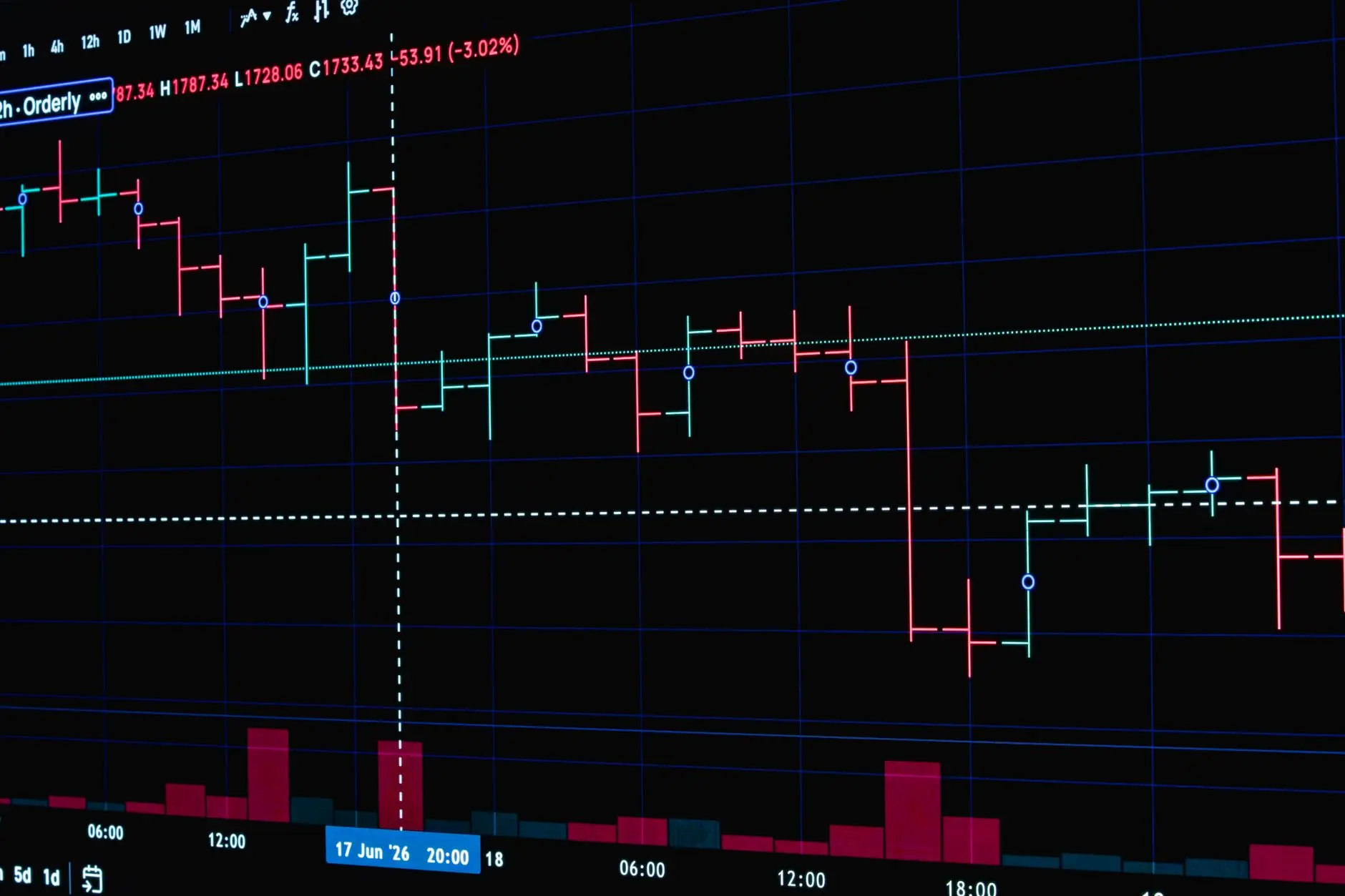
- AI-driven demand is altering metals consumption patterns, particularly for copper and rare earths.
- Volatility in the tech sector amplifies metals price fluctuations amid broader economic uncertainty.
- Industrial adoption of AI accelerates structural shifts in metals supply chains and investment.
- Inflation expectations and monetary policy responses remain critical variables influencing metals market stability.
What happened
Recent weeks have witnessed pronounced volatility within global metals markets, marked by sharp price declines in key industrial metals such as copper, nickel, and rare earth elements. This turbulence coincides with mounting economic uncertainty and a notable selloff in technology equities. Market participants are increasingly factoring in the complex interplay between technological innovation—most notably artificial intelligence (AI)—and traditional drivers of metals demand. As AI applications expand across sectors, the metals market is undergoing recalibrations driven by both speculative and fundamental forces.
Why it matters
Metals markets function as bellwethers for global industrial health, and their price dynamics offer insight into broader economic trajectories. AI’s rapid advancement is no longer a peripheral factor but a central determinant reshaping demand structures. Copper’s dual role as a traditional industrial metal and a vital component in AI hardware underscores the multifaceted influence of technological trends on commodity markets. Furthermore, heightened volatility in tech stocks feeds back into metals pricing through investment flows and risk sentiment. Understanding these mechanisms is crucial for policymakers, investors, and industrial strategists navigating an increasingly interconnected economic landscape.
Industry context
Historically, metals demand has been closely tied to construction, manufacturing, and energy infrastructure development. The rise of AI introduces a paradigm shift: metals integral to AI technologies—such as copper for electrical wiring, lithium and cobalt for batteries, and rare earth elements for specialized electronics—are witnessing altered demand profiles. This occurs amid a backdrop of persistent inflation concerns and tightening monetary policies, which traditionally dampen commodity prices by curbing industrial activity. Simultaneously, supply-side challenges, including geopolitical tensions and decarbonization imperatives, add layers of complexity to market dynamics.
Analysis
The interaction between AI advancements and metals markets is multifaceted. On one hand, AI-driven efficiency gains and automation reduce raw material intensity in some manufacturing processes, potentially suppressing demand growth. On the other, AI hardware development and deployment create new, concentrated demand pockets for specific metals, stimulating investment and extraction efforts. The recent selloff reflects a recalibration as markets digest conflicting signals: technological optimism versus near-term economic headwinds.
Equity market volatility, particularly in tech sectors, has exacerbated metals price swings. Investor risk aversion leads to capital flight from both tech stocks and related commodities, amplifying downturns. Additionally, inflation expectations influence metals prices through real interest rate adjustments, affecting carrying costs and speculative behavior. Central banks’ responses to inflation—whether aggressive tightening or cautious moderation—remain pivotal in shaping metals market trajectories.
Supply chain shifts driven by AI also merit attention. AI enables more precise demand forecasting and inventory management, potentially smoothing supply-demand imbalances but also concentrating procurement power among technologically sophisticated firms. This could alter traditional metals trading patterns and geopolitical dependencies, particularly for critical materials sourced from concentrated regions.
What to watch next
Attention will focus on forthcoming inflation data and monetary policy signals from major central banks, as these variables directly impact metals demand outlooks and investment flows. Monitoring tech sector performance is equally vital, given its role in shaping metals consumption and investor sentiment. Advances in AI hardware innovation and deployment strategies will further reveal how demand profiles evolve, especially for rare and strategic metals.
Geopolitical developments affecting supply chains—such as export controls or trade agreements—will continue to influence market stability. Finally, technological progress in materials science, including potential substitutes or recycling improvements, could mitigate some demand pressures, reshaping long-term metals market fundamentals. Stakeholders must navigate this evolving landscape with a nuanced understanding of intersecting economic and technological forces.
Ask AI about this story
Answers are based on this article and SN Media’s related coverage. AI can make mistakes.
Frequently asked questions
How is AI specifically affecting demand for different metals?
AI is changing demand patterns by increasing the need for metals like copper, lithium, cobalt, and rare earth elements used in AI hardware, while also potentially reducing raw material intensity in some manufacturing processes due to efficiency gains and automation.
What role does tech sector volatility play in metals price fluctuations?
Volatility in the tech sector amplifies metals price swings as investor risk aversion causes capital to move away from both tech stocks and related commodities, intensifying downturns in metals markets amid economic uncertainty.
How do inflation and monetary policy influence the metals markets according to the article?
Inflation expectations affect metals prices through real interest rate adjustments, impacting carrying costs and speculative behavior, while central banks' responses to inflationu2014whether tightening or moderationu2014are key in shaping metals demand and investment flows.
What supply chain changes are driven by AI in the metals market?
AI enables more precise demand forecasting and inventory management, which may smooth supply-demand imbalances but also concentrate procurement power among technologically advanced firms, potentially altering traditional trading patterns and geopolitical dependencies for critical metals.
Continue the story
 BACKGROUND · How we got here
Copper Market Volatility Highlights Risks of AI-Driven Commodity Speculation