








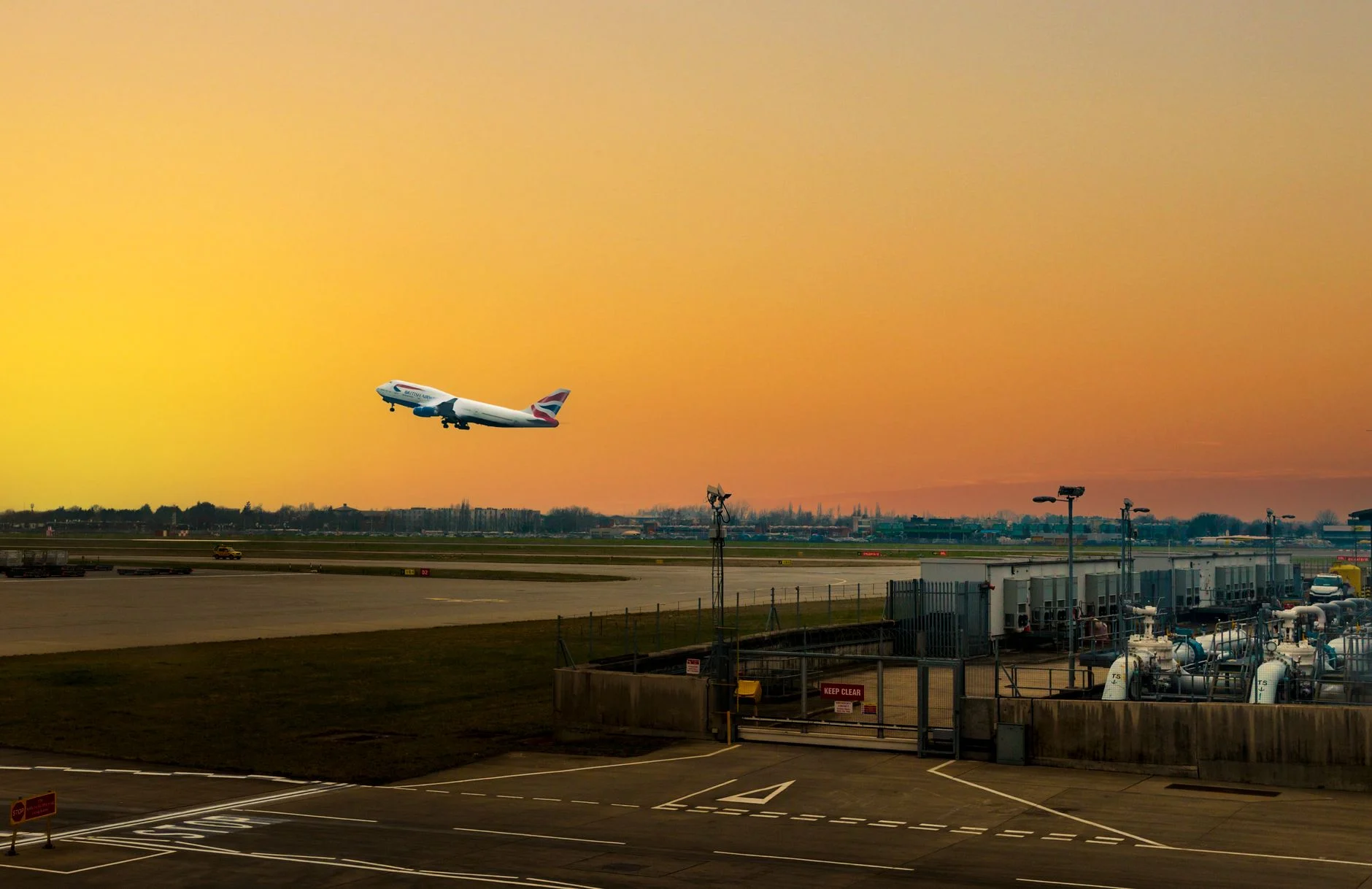
- Heathrow’s proposed third runway faces significant opposition due to its projected increase in carbon emissions.
- The UK government’s climate targets under the Net Zero Strategy conflict with large-scale airport expansion plans.
- Technological advancements and policy reforms are insufficient alone to reconcile aviation growth with decarbonisation goals.
- Effective resolution requires integrated transport policies, demand management, and international cooperation on emissions standards.
What happened
The debate surrounding Heathrow Airport’s third runway has resurfaced amid renewed government and industry discussions on expanding capacity to meet rising passenger demand. Despite the airport’s long-standing status as a critical international hub, plans to construct a new runway have repeatedly encountered legal challenges and environmental scrutiny. The latest deliberations highlight the tension between economic imperatives to expand aviation infrastructure and the UK’s legally binding commitment to drastically reduce greenhouse gas emissions by 2050. Heathrow’s runway expansion promises increased connectivity and economic activity but simultaneously threatens to undermine national climate objectives by significantly raising aviation emissions.
Why it matters
Aviation is one of the fastest-growing sources of carbon emissions in the UK and globally, making it a focal point in climate policy discussions. Heathrow, as the UK’s busiest airport, has an outsized impact on national emissions accounting. Expanding its capacity risks locking in decades of elevated emissions, complicating efforts to meet the Net Zero target set under the Climate Change Act. The outcome bears consequences not only for environmental policy but also for the UK’s international reputation as a climate leader. Moreover, decisions on Heathrow’s expansion will influence infrastructure planning, investment flows, and regulatory frameworks across the broader transport sector.
Industry context
The aviation industry operates under complex pressures: rising passenger numbers driven by globalisation and economic growth, alongside increasing regulatory scrutiny over environmental impacts. The International Civil Aviation Organization (ICAO) established the Carbon Offsetting and Reduction Scheme for International Aviation (CORSIA) to mitigate emissions, yet its voluntary nature and coverage gaps limit effectiveness. Meanwhile, the UK government’s Jet Zero Strategy aims to achieve net zero aviation emissions by 2050 through technological innovation, sustainable fuels, and operational improvements. However, these measures are projected to offset only a portion of anticipated growth, leaving a residual emissions challenge. Heathrow’s third runway epitomises this contradiction, where infrastructure expansion is at odds with decarbonisation trajectories.
Analysis
The core tension in the Heathrow third runway debate arises from conflicting policy objectives: supporting economic growth through enhanced air connectivity versus adhering to ambitious climate targets. Expanding airport capacity typically increases flight frequency, which in turn elevates fuel consumption and emissions. While proponents argue that sustainable aviation fuels (SAF) and technological advances in aircraft efficiency can mitigate environmental impacts, current SAF production capabilities and adoption rates remain insufficient to counterbalance increased demand. Moreover, reliance on offsetting schemes introduces uncertainties around the permanence and integrity of carbon reductions.
Legal challenges have scrutinised whether governmental approvals for the runway adequately consider climate commitments, underscoring the judiciary’s growing role in environmental governance. This dynamic highlights institutional trade-offs between short-term economic benefits and long-term environmental sustainability. Additionally, broader transport policies, such as investments in rail and high-speed alternatives, could influence demand patterns and alleviate pressure on air travel expansion. Demand management measures—such as frequent flyer levies or slot constraints—offer further mechanisms to align aviation growth with emissions targets but face political and industry resistance.
What to watch next
Future developments will hinge on the UK government’s ability to integrate aviation expansion within a coherent climate strategy. Monitoring advancements in SAF production, regulatory frameworks governing emissions trading, and the outcomes of ongoing legal proceedings will be critical. International negotiations on aviation emissions standards, particularly through ICAO, will shape the feasibility of expanding airport infrastructure without breaching climate commitments. Additionally, public and political acceptance of demand management policies will influence the regulatory environment. How Heathrow and policymakers navigate these intersecting pressures will serve as a bellwether for balancing infrastructure development with environmental imperatives in the transport sector.
Ask AI about this story
Answers are based on this article and SN Media’s related coverage. AI can make mistakes.
Frequently asked questions
Why is Heathrowu2019s third runway controversial in relation to the UKu2019s climate goals?
The third runway is controversial because it would significantly increase aviation emissions, conflicting with the UKu2019s legally binding Net Zero Strategy to reduce greenhouse gases by 2050.
Can technological advancements and policy reforms fully offset the emissions from Heathrowu2019s expansion?
No, current technological improvements and policy measures, including sustainable aviation fuels and operational efficiencies, are projected to offset only part of the emissions growth, leaving a residual emissions challenge.
What legal and policy mechanisms are influencing the Heathrow third runway debate?
Legal challenges question whether government approvals sufficiently consider climate commitments, while policy options like demand management and integrated transport investments are proposed to align aviation growth with emissions targets, though they face political and industry resistance.
What factors will determine the future of Heathrowu2019s expansion plans?
Key factors include the UK governmentu2019s ability to integrate expansion with climate strategy, progress in sustainable aviation fuel production, outcomes of legal proceedings, international aviation emissions standards negotiations, and public and political acceptance of demand management policies.
Continue the story
 LATEST
The Economic and Environmental Costs of Heathrow’s Third Runway Expansion
LATEST
The Economic and Environmental Costs of Heathrow’s Third Runway Expansion
- LATEST The Future of UK Pensions: Analyzing Burnham’s 2030 Triple Lock End Proposal
- LATEST The Political Fallout of Billionaire Tax Exiles: A Labour Perspective
- LATEST Balancing Act: How Job Creation Can Influence National Debt and Economic Growth
- LATEST The Global Jet Fuel Supply Chain: Why Qatar Airways Looks Beyond the Middle East