








What happened
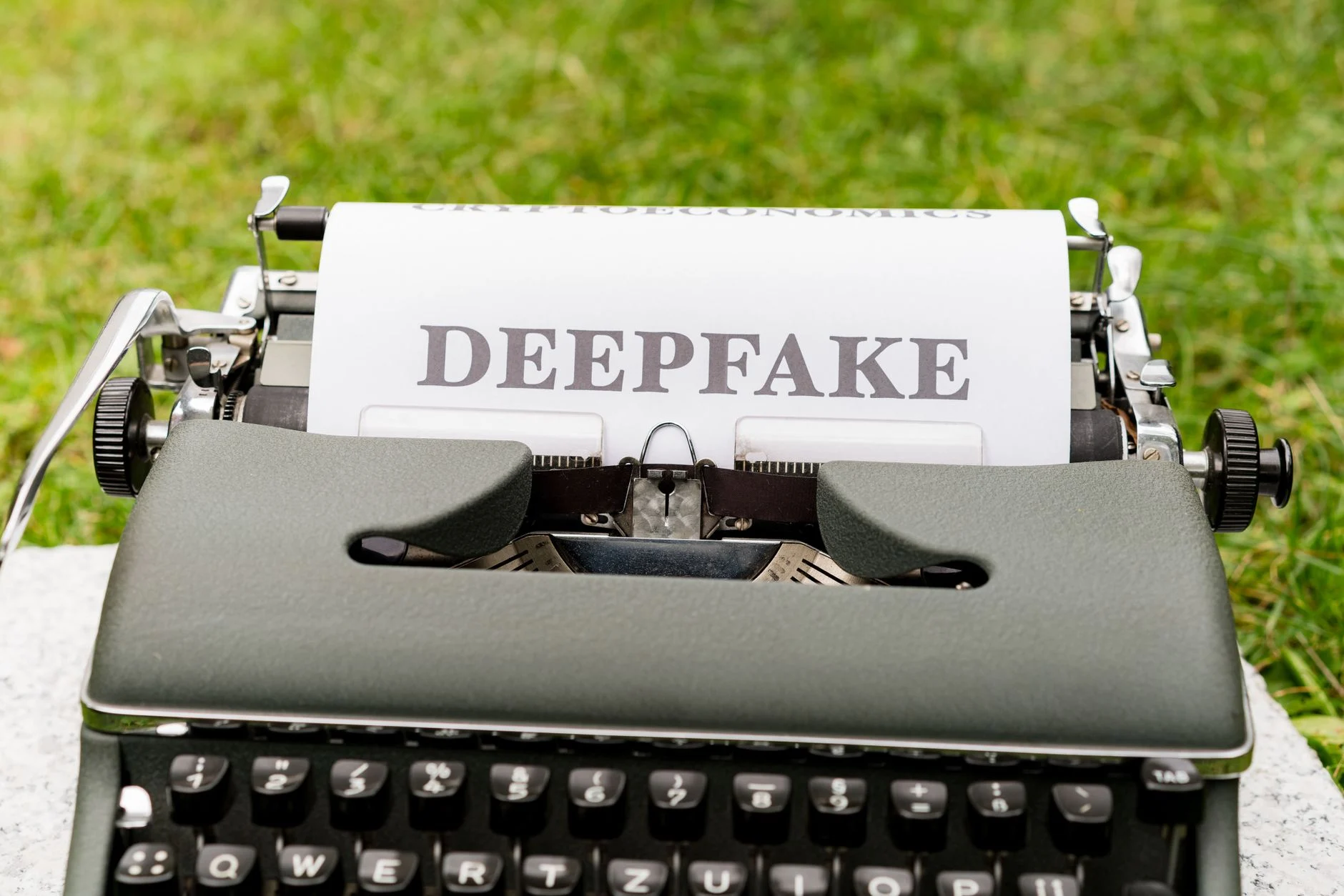
Over the past decade, artificial intelligence algorithms designed to detect and mitigate misinformation have undergone significant advancements. These developments encompass increasingly sophisticated natural language processing models, enhanced pattern recognition techniques, and the integration of multimodal data analysis. As misinformation continues to proliferate across digital platforms, AI systems have adapted to address the growing complexity and scale of the challenge, evolving from basic keyword filtering to nuanced contextual understanding.
Why it matters
The persistent spread of misinformation poses critical risks to democratic processes, public health, and social cohesion worldwide. AI’s role in identifying false or misleading content is central to efforts aimed at preserving the integrity of information ecosystems. The ability of algorithms to accurately distinguish credible information from deceptive narratives influences the effectiveness of platform moderation, regulatory frameworks, and public trust in digital media.
Industry context
The information technology sector, particularly social media and content hosting platforms, faces mounting pressure from governments, civil society, and users to curb the dissemination of misinformation. Early approaches relied heavily on manual fact-checking and rudimentary automated filters, which proved insufficient at scale. In response, companies and research institutions have invested heavily in AI-driven solutions that leverage advances in machine learning, including transformer architectures and graph-based analytics, to detect misinformation with greater precision.
Additionally, collaboration between platforms, academia, and fact-checking organizations has fostered the creation of datasets and benchmarking standards, enabling continuous improvement and transparency in algorithmic performance. Regulatory developments worldwide have increasingly emphasized algorithmic accountability and the need for explainability, further shaping the design and deployment of misinformation detection systems.
Analysis
The evolution of AI algorithms in this domain reflects a shift from reactive, surface-level detection methods toward proactive, context-aware approaches. Modern algorithms incorporate semantic analysis, source credibility assessment, and temporal dynamics to differentiate misinformation from legitimate discourse. Multimodal capabilities allow for the cross-referencing of text, images, and video to identify coordinated disinformation campaigns.
Despite these advances, significant challenges remain. The adversarial nature of misinformation actors, who continually adapt tactics to evade detection, requires AI systems to be both flexible and resilient. Moreover, inherent biases in training data and the complexity of language nuances can lead to false positives or negatives, raising concerns about censorship and free expression. Balancing precision with transparency and user rights is a persistent tension in algorithmic design.
Furthermore, the global and multilingual nature of misinformation demands AI solutions that transcend linguistic and cultural boundaries. While progress has been made in major languages, less-resourced languages and regional contexts often lack sufficient algorithmic support, creating vulnerabilities in the information landscape.
What to watch next
Future developments in this field will likely focus on enhancing explainability and user agency, enabling individuals to better understand and contest algorithmic decisions. Cross-sector partnerships are expected to deepen, combining technological innovation with policy and educational initiatives to build more resilient information environments.
Advances in federated learning and privacy-preserving AI may also enable more effective misinformation detection without compromising user data security. Monitoring the interplay between regulatory frameworks and technological capabilities will be crucial, as governance models evolve to address emerging ethical and operational challenges.
Finally, the integration of AI with human expertise remains a vital area of exploration, as hybrid models may offer the most robust defense against increasingly sophisticated misinformation tactics in a rapidly changing digital landscape.
Ask AI about this story
Answers are based on this article and SN Media’s related coverage. AI can make mistakes.
Frequently asked questions
How have AI algorithms evolved to combat misinformation over the past decade?
AI algorithms have progressed from basic keyword filtering to sophisticated models that use natural language processing, pattern recognition, and multimodal data analysis to understand context and detect misinformation more effectively.
What are the main challenges AI faces in detecting misinformation according to the article?
Challenges include the adaptive tactics of misinformation actors, biases in training data, language nuances causing false positives or negatives, and the difficulty of addressing misinformation across diverse languages and cultural contexts.
What role do collaborations and regulatory developments play in the evolution of misinformation detection AI?
Collaborations among platforms, academia, and fact-checkers have enabled dataset creation and benchmarking, improving transparency and performance, while regulatory emphasis on algorithmic accountability and explainability shapes how these systems are designed and deployed.
What future directions does the article identify for AI in combating misinformation?
Future efforts will focus on enhancing explainability and user agency, advancing privacy-preserving techniques like federated learning, deepening cross-sector partnerships, and integrating AI with human expertise to create more resilient defenses against misinformation.
Continue the story
 LATEST
OpenAI’s New Safety Disclosure System: Setting Industry Standards for AI Transparency
LATEST
OpenAI’s New Safety Disclosure System: Setting Industry Standards for AI Transparency
- LATEST How AI Investment is Reshaping Corporate Credit Markets
- LATEST How AI Investments Are Driving the S&P 500 to New Heights
- LATEST The High-Stakes AI Rivalry: Microsoft vs Anthropic and the Future of Safe AI Development
- LATEST The Ethical Implications of AI Bots Accessing Government Data Without Consent