








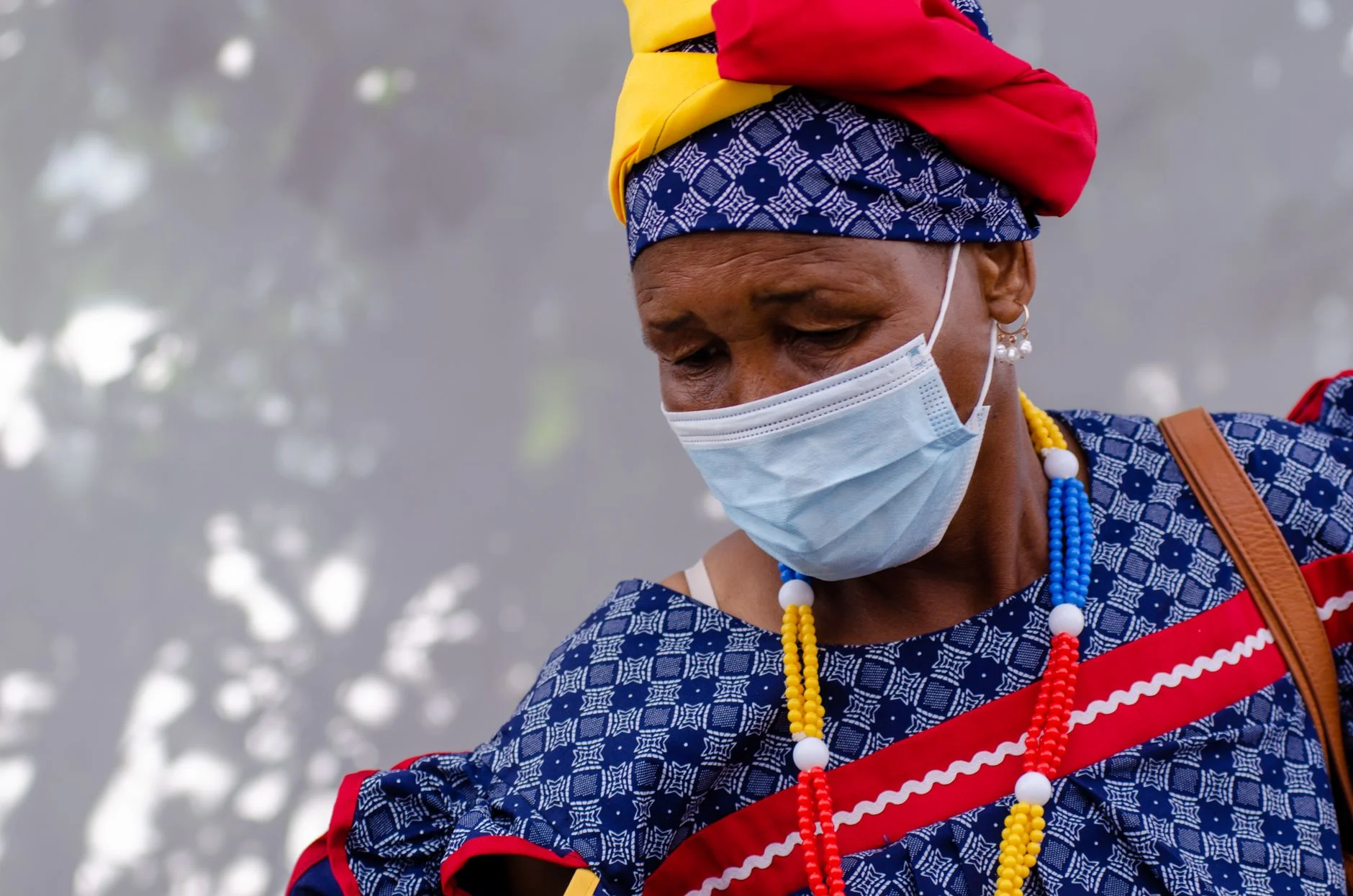
Cultural Resilience in the Age of Globalization: How Local Traditions Adapt and Endure
What happened
The accelerating pace of globalization continues to reshape societies worldwide, fostering unprecedented cultural exchanges, economic integration, and technological diffusion. Amid this, local cultures face ongoing challenges in preserving their distinct identities and traditions. Yet, numerous communities across continents demonstrate remarkable resilience by adapting their cultural practices in response to global influences without forfeiting their unique heritage. This phenomenon underscores a complex dynamic where cultural preservation and transformation coexist. The interplay between global connectivity and local identity remains a defining feature of contemporary social evolution.
Why it matters
Understanding how local cultures navigate the pressures and opportunities of globalization is critical for grasping the broader implications on social cohesion, cultural diversity, and identity politics. The preservation of cultural heritage contributes not only to a community’s sense of belonging and continuity but also to global cultural richness and pluralism. Moreover, cultural resilience influences economic development strategies, tourism, and international diplomacy. Recognizing the mechanisms through which traditions endure or transform informs policymaking, educational frameworks, and intercultural dialogue in an interconnected world.
Industry context
Several sectors intersect with the dynamics of cultural resilience in globalization. The cultural and creative industries, including crafts, music, and performing arts, rely heavily on sustaining traditional knowledge and skills while innovating for modern markets. Tourism industries capitalize on cultural heritage sites and festivals, which necessitates balancing authenticity with accessibility. Additionally, media and technology companies play a dual role as facilitators of cultural exchange and potential agents of cultural homogenization. International organizations and governments increasingly recognize cultural sustainability as a strategic priority, integrating it into development agendas and intellectual property frameworks.
Analysis
Cultural resilience in the context of globalization is neither a static preservation nor simple assimilation. Instead, it involves selective adaptation, reinterpretation, and revitalization of traditions. For instance, indigenous communities often incorporate digital technologies to document and disseminate oral histories, bridging generational divides while asserting cultural sovereignty. Urban multicultural environments foster hybrid identities, where diaspora communities maintain ancestral customs while engaging with host cultures. This hybridity challenges binary notions of cultural purity and highlights the fluidity of identity.
Institutional support plays a pivotal role in enabling cultural resilience. Educational systems that incorporate local languages and histories help sustain cultural knowledge. Legal protections against cultural appropriation and misrepresentation safeguard communities’ rights. Conversely, economic pressures and mass media risks commodifying or diluting cultural expressions, posing threats to authenticity.
Moreover, globalization’s uneven impacts mean that cultural resilience manifests differently across regions. In some contexts, rapid urbanization and migration accelerate cultural transformation, while in others, geographic or political isolation allows for more robust preservation. The negotiation between global and local forces is an ongoing process shaped by power dynamics, economic interests, and social aspirations.
What to watch next
Future developments will likely hinge on how communities, governments, and industries manage the balance between cultural preservation and innovation. Key areas to monitor include the evolution of digital platforms as spaces for cultural expression and contestation, the impact of climate change on culturally significant landscapes and practices, and the role of transnational networks in supporting marginalized cultural groups.
Additionally, policy approaches emphasizing participatory cultural governance and inclusive heritage management could redefine standards for cultural resilience. The ongoing dialogue between globalization’s homogenizing tendencies and local communities’ efforts to assert their identities will continue to shape the cultural landscape of the 21st century.
Ask AI about this story
Answers are based on this article and SN Media’s related coverage. AI can make mistakes.
Frequently asked questions
How do local cultures maintain their traditions amid globalization?
Local cultures demonstrate resilience by selectively adapting, reinterpreting, and revitalizing traditions, often incorporating new technologies and fostering hybrid identities in multicultural environments.
What role do institutions play in cultural resilience?
Institutions support cultural resilience through educational systems that teach local languages and histories, legal protections against appropriation, and policies that safeguard cultural rights, although economic pressures and media can threaten authenticity.
How does globalization affect cultural resilience differently across regions?
Globalization's impact varies, with rapid urbanization and migration accelerating cultural change in some areas, while geographic or political isolation can enable stronger preservation of traditions in others.
What future developments could influence cultural resilience?
Key factors include the use of digital platforms for cultural expression, climate change effects on cultural sites, transnational support for marginalized groups, and policy approaches promoting participatory governance and inclusive heritage management.
Continue the story
 LATEST
From Street Market to Global Spotlight: The Impact of TikTok on Emerging Fashion Brands
LATEST
From Street Market to Global Spotlight: The Impact of TikTok on Emerging Fashion Brands
- LATEST The Corporate Missteps Behind Nike’s Decline: A Deep Dive
- LATEST Climate Change and the Rhine: How Extreme Weather Disrupts European Supply Chains
- LATEST The Rise of the ‘Spend Now’ Generation: How Pensioners Are Redefining Retirement Finances
- LATEST The Rise of Tiny Hotels: How Luxury Travel Is Embracing Minimalism