








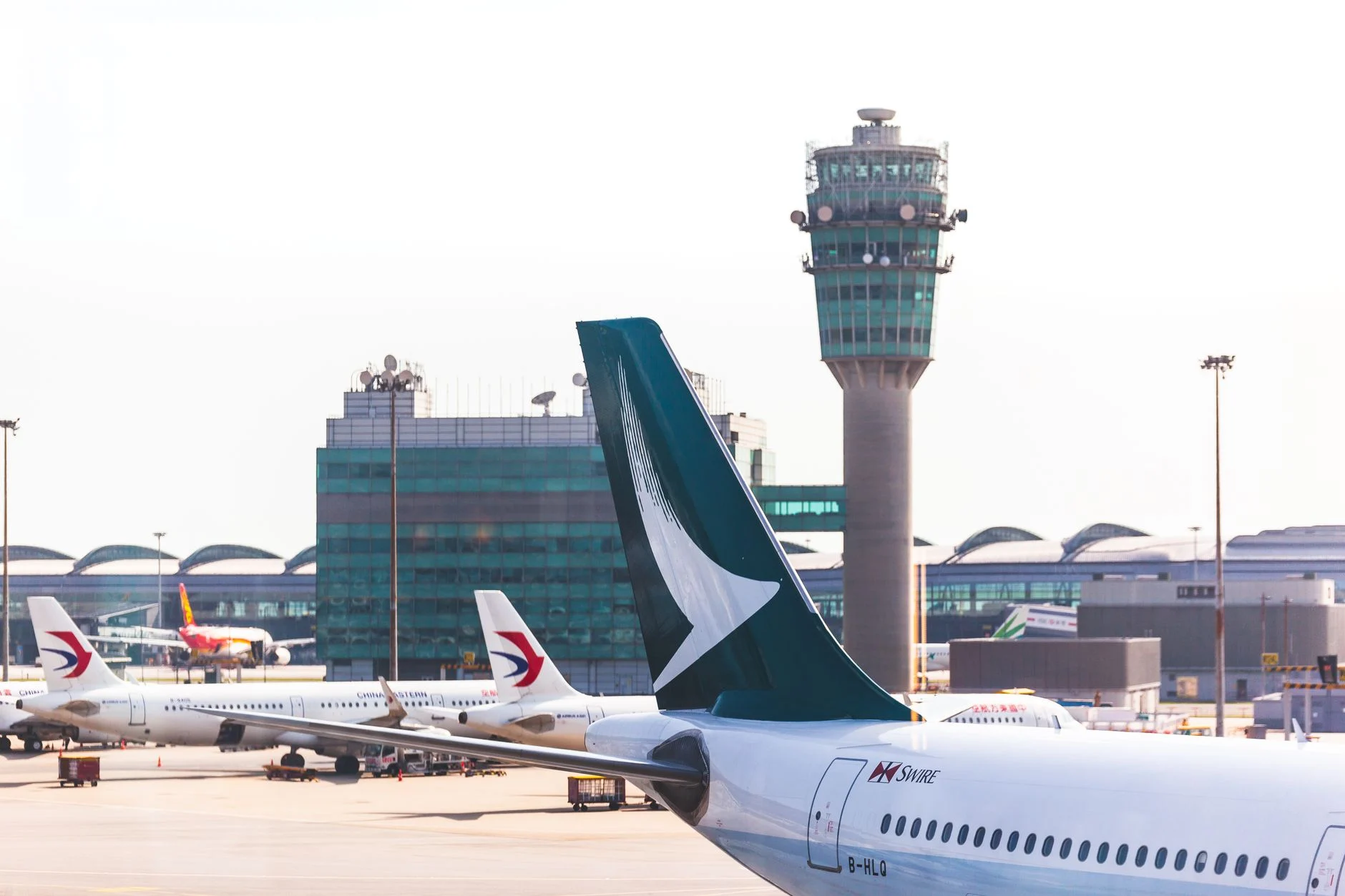
- Air traffic control (ATC) system failures cause cascading disruptions across international flight networks.
- Dependence on aging and complex ATC infrastructure exposes vulnerabilities in operational continuity.
- Coordination challenges among national and regional control centers amplify the impact of localized outages.
- Industry resilience hinges on investment in technological upgrades and robust contingency protocols.
The Growing Impact of Air Traffic Control Technology Failures on Global Aviation
What happened
A recent failure of the National Air Traffic Services (Nats) system in the United Kingdom led to significant flight delays and cancellations, underscoring the fragility of air traffic control infrastructure. The incident, attributed to technical issues within the ATC network, forced suspension of services over critical airspace, creating a ripple effect that extended beyond UK borders. Airlines, passengers, and airspace managers faced disruption as flights were delayed, rerouted, or grounded, illustrating the operational dependencies tied to a single control system’s functionality.
Why it matters
Air traffic control systems serve as the nerve centers of international aviation, coordinating thousands of flights daily to ensure safety and efficiency. Failures in these systems not only jeopardize passenger safety but also have far-reaching economic implications. Disrupted schedules translate into increased operational costs for airlines, depleted passenger confidence, and logistical challenges for cargo transport. The Nats outage highlights how technical malfunctions in control infrastructure can escalate quickly, undermining the stability of global air traffic flows and exposing weaknesses in contingency planning.
Industry context
Air traffic control infrastructure is a complex amalgam of legacy hardware, software systems, and human operators, often maintained by governmental or quasi-governmental entities. Many national ATC providers operate with systems designed decades ago, incrementally updated to handle modern airspace demands. Rapid growth in global air traffic has placed additional strain on these systems, while the integration of new technologies—such as satellite-based navigation and automated traffic management—remains uneven. Coordination across national boundaries necessitates harmonized protocols, yet discrepancies in technological maturity and procedural standards persist.
Analysis
The Nats failure exemplifies the systemic risk posed by overreliance on aging technology without comprehensive modernization. ATC systems are inherently complex, combining real-time data processing with human decision-making under high-stakes conditions. Technical glitches can cascade as backup systems and fail-safes may not fully compensate for primary system outages. Furthermore, the international nature of airspace means that localized failures propagate delays and reroutes across regions, complicating recovery efforts. The incident also reveals operational bottlenecks in communication between ATC centers and airline operators, where delayed information flow exacerbates disruption management. Addressing these vulnerabilities requires not only technological upgrades but also improved governance frameworks that prioritize resilience and interoperability.
What to watch next
Future developments will hinge on accelerated investment in next-generation ATC technologies, including increased automation, cloud-based systems, and integration of artificial intelligence for predictive traffic management. Regulatory bodies and international aviation organizations are expected to push for stricter operational standards and cross-border collaboration mechanisms. Monitoring how national ATC providers balance modernization with legacy system constraints will provide insight into the industry’s ability to reduce outage risks. Equally critical will be the evolution of contingency protocols, ensuring rapid response and mitigation strategies to minimize passenger and cargo disruption in the event of future failures.
Ask AI about this story
Answers are based on this article and SN Media’s related coverage. AI can make mistakes.
Frequently asked questions
What caused the recent disruption in UK air traffic control services?
The disruption was caused by a technical failure within the National Air Traffic Services (Nats) system in the United Kingdom, leading to suspension of services over critical airspace and widespread flight delays and cancellations.
How do air traffic control failures affect global aviation beyond the immediate area?
Failures in one national ATC system can cause cascading disruptions across international flight networks due to the interconnected nature of airspace management, resulting in delayed, rerouted, or grounded flights beyond the affected region.
What are the main vulnerabilities in current air traffic control infrastructure?
Current vulnerabilities stem from reliance on aging and complex legacy systems that have been incrementally updated, uneven integration of new technologies, coordination challenges among national and regional centers, and operational bottlenecks in communication during disruptions.
What measures are being considered to improve resilience against future ATC failures?
The industry is focusing on investing in next-generation technologies such as increased automation and cloud-based systems, enhancing cross-border collaboration and regulatory standards, and developing stronger contingency protocols to ensure rapid response and minimize disruption.
Continue the story
 LATEST
Infrastructure Vulnerabilities Exposed by Cable Cut Disrupting Major US Airports
LATEST
Infrastructure Vulnerabilities Exposed by Cable Cut Disrupting Major US Airports
- LATEST Balancing Aviation Growth and Climate Goals: The Heathrow Third Runway Dilemma
- LATEST The Economic and Environmental Costs of Heathrow’s Third Runway Expansion
- LATEST The Corporate Missteps Behind Nike’s Decline: A Deep Dive
- LATEST Strategic Implications of Ethiopia’s Recapture of Mekelle Airport