








What Happened
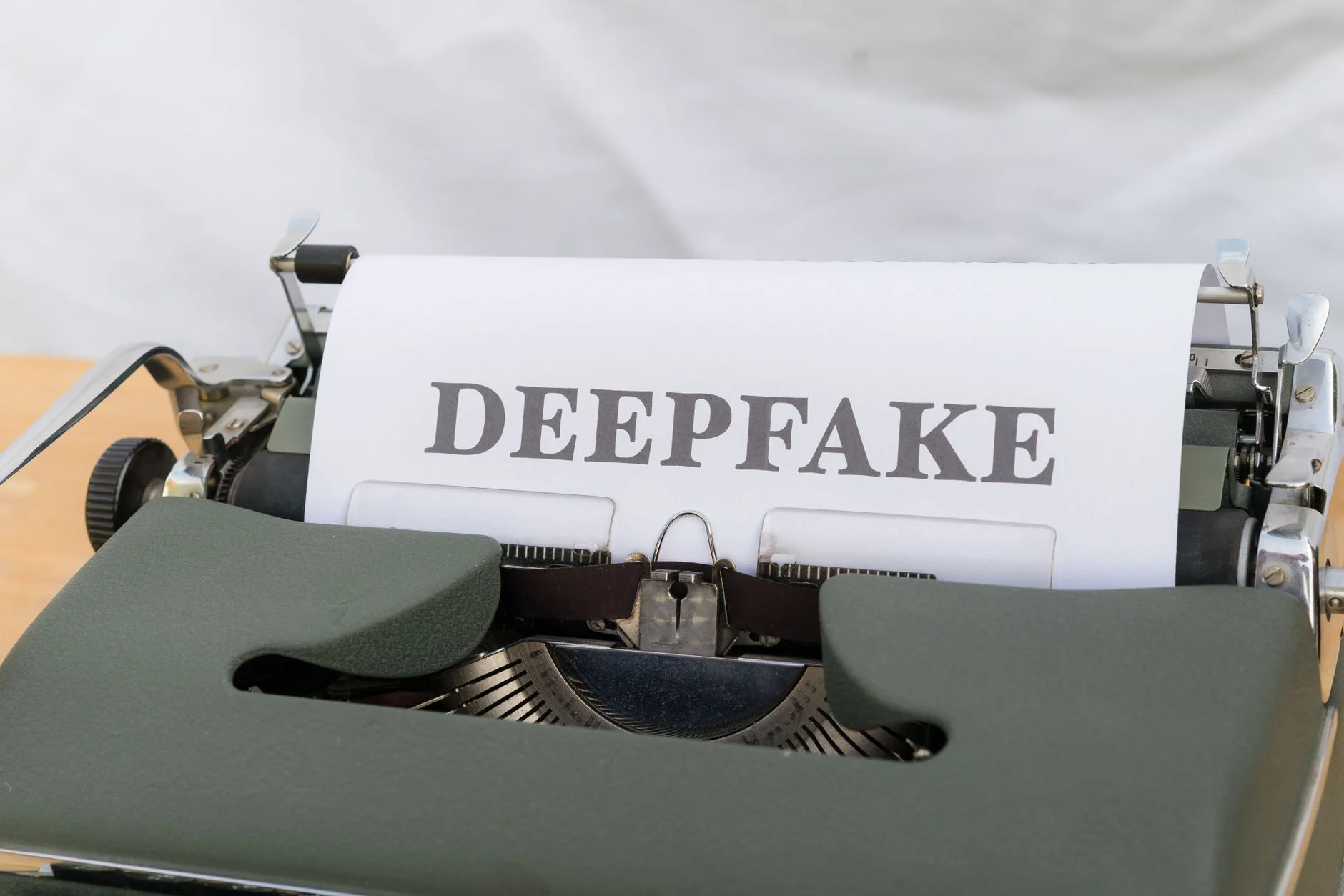
The proliferation of advanced artificial intelligence technologies capable of generating text, images, and multimedia content has significantly altered the landscape of information dissemination. This evolution complicates traditional mechanisms of verification and fact-checking by blurring the lines between human-produced and machine-generated content. As AI tools become more sophisticated and accessible, the volume of AI-originated material circulating on digital platforms continues to rise, posing critical challenges to the credibility and reliability of information consumed globally.
Why It Matters
The integrity of information lies at the core of informed decision-making, democratic discourse, and social cohesion. The increasing difficulty in distinguishing authentic content from AI-fabricated outputs risks undermining public trust in media institutions and authoritative sources. This erosion of trust can lead to heightened misinformation, polarization, and skepticism toward legitimate reporting. Understanding how to adapt verification processes in response to this new reality is essential for preserving the foundations of accountability and transparency in journalism and broader information ecosystems.
Industry Context
The media and information sectors have long relied on established verification frameworks—fact-checking, source corroboration, editorial oversight—to ensure content accuracy. However, these methods were primarily designed for human-originated information. The advent of generative AI introduces novel complexities, including the rapid creation of highly realistic yet fabricated content and synthetic multimedia, challenging the efficacy of existing practices. Simultaneously, technology companies, news organizations, and regulatory bodies are grappling with how to integrate technological solutions such as AI detection tools, digital provenance markers, and enhanced metadata standards.
Analysis
Adapting to an AI-influenced information environment necessitates a multifaceted approach. First, verification must evolve to incorporate technological aids capable of identifying AI-generated content without impeding journalistic workflows. However, reliance on detection tools alone is insufficient; these tools face limitations in accuracy and may be circumvented by increasingly sophisticated generation techniques.
Second, transparency practices must be strengthened. Clear disclosures about content origin and editorial processes can help build user trust and provide critical context. Third, media literacy initiatives should be prioritized to empower audiences in recognizing and critically assessing the provenance and credibility of information.
Finally, collaboration across sectors—media, technology, academia, and regulators—is imperative. Developing interoperable standards for content authentication and provenance, investing in research on detection methodologies, and fostering an environment of shared responsibility can collectively mitigate risks associated with AI-generated disinformation.
What to Watch Next
Future developments to monitor include advancements in AI content detection technologies and their integration into newsroom practices. Regulatory frameworks addressing transparency and accountability for AI-generated content will also play a pivotal role in shaping industry standards. Additionally, the evolution of audience engagement with information—through education and platform design—will influence how effectively societies can maintain information integrity in an era of generative AI.
As the information ecosystem continues to adapt, the balance between innovation and verification will determine the resilience of truth in public discourse.
Ask AI about this story
Answers are based on this article and SN Media’s related coverage. AI can make mistakes.
Frequently asked questions
How has AI-generated content changed traditional verification methods?
AI-generated content blurs the distinction between human and machine-produced information, complicating traditional verification methods like fact-checking and source corroboration that were designed for human-originated content.
What challenges do AI detection tools face in verifying content?
Detection tools have limitations in accuracy and can be circumvented by increasingly sophisticated AI generation techniques, making reliance on these tools alone insufficient for verification.
What strategies are suggested to maintain information integrity in the AI era?
The article suggests evolving verification with technological aids, strengthening transparency practices, prioritizing media literacy, and fostering cross-sector collaboration to develop standards and shared responsibility.
What future developments should be monitored regarding AI-generated content verification?
Key developments include advances in AI content detection technologies, regulatory frameworks for transparency and accountability, and changes in audience engagement through education and platform design.
Continue the story
 LATEST
OpenAI’s New Safety Disclosure System: Setting Industry Standards for AI Transparency
LATEST
OpenAI’s New Safety Disclosure System: Setting Industry Standards for AI Transparency
- LATEST The Ethical Implications of AI Bots Accessing Government Data Without Consent
- LATEST The Limits of AI in Advanced Mathematical Research: Why Human Expertise Remains Crucial
- LATEST How AI Investment is Reshaping Corporate Credit Markets
- LATEST How AI Investments Are Driving the S&P 500 to New Heights