







What happened
Governments around the world continue to grapple with the intricate challenge of shaping energy policies that simultaneously address economic growth, environmental sustainability, and energy security. This balancing act has intensified amid shifting geopolitical dynamics, evolving technological landscapes, and mounting pressures to meet international climate commitments. The ongoing efforts to recalibrate energy strategies reflect a global recognition that no single objective can be pursued in isolation without significant implications for the others.
Why it matters
Energy policy decisions have far-reaching consequences beyond immediate economic or environmental outcomes. They influence geopolitical alignments, international trade flows, technological innovation, and social equity. The ability of states to secure reliable and affordable energy supplies while transitioning to lower-carbon sources underpins future economic resilience and environmental stewardship. Missteps or imbalances can exacerbate energy insecurity, hinder sustainable development, and undermine international cooperation on climate goals.
Industry context
The energy sector is undergoing a profound transformation driven by advancements in renewable technologies, fluctuating fossil fuel markets, and evolving regulatory frameworks. Traditional energy producers face pressures to diversify portfolios and reduce carbon footprints, while emerging economies seek to expand access to energy to fuel growth. Simultaneously, global supply chain vulnerabilities and geopolitical tensions complicate the procurement and distribution of critical energy resources. These dynamics create a complex environment in which policy decisions must navigate competing imperatives and uncertain futures.
Analysis
At the core of energy policy formulation lies a multifaceted trade-off: fostering economic development often requires energy-intensive activities that can conflict with environmental objectives. For many countries, especially those reliant on fossil fuels for revenue and employment, accelerating decarbonization risks economic disruption unless accompanied by robust transition strategies. Conversely, aggressive climate policies without adequate consideration for energy security can lead to volatility in supply and prices, impacting vulnerable populations and industrial competitiveness.
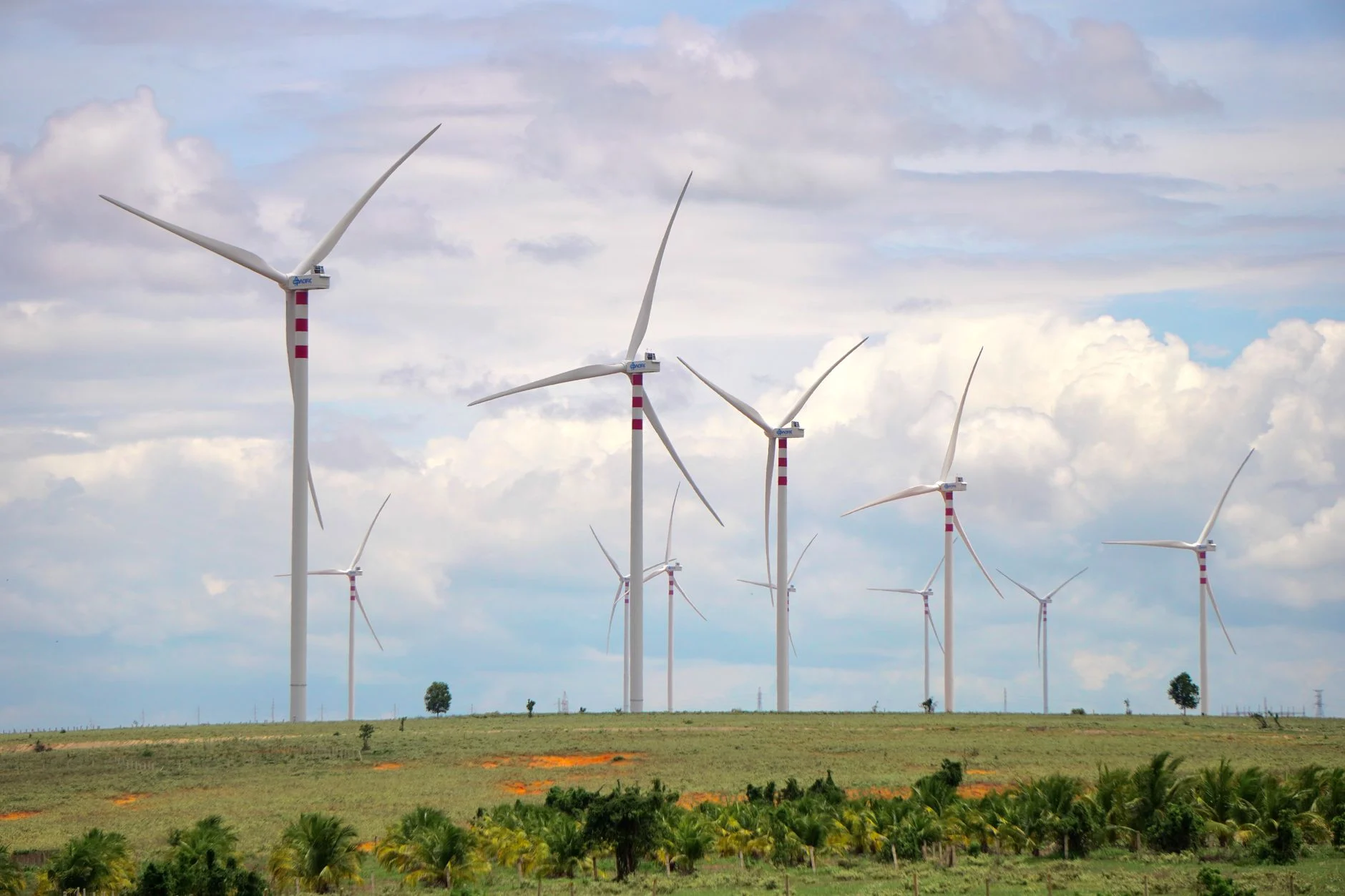
Energy diversification emerges as a critical strategy to mitigate these tensions. Incorporating a mix of renewables, nuclear, and cleaner fossil fuel technologies can enhance resilience and flexibility. However, the pace and scale of integration vary significantly depending on technological maturity, infrastructure capacity, and political will. Furthermore, regional disparities in resource endowments and development priorities necessitate tailored approaches rather than one-size-fits-all solutions.
International cooperation also plays a pivotal role. Cross-border energy trade, shared technological development, and coordinated regulatory standards can facilitate smoother transitions and distribute risks. Yet, geopolitical rivalries and national interests often constrain collaborative frameworks, underscoring the need for diplomacy and sustained dialogue.
What to watch next
Key indicators to monitor include the evolution of national energy strategies in response to domestic economic pressures and global climate commitments, the expansion of clean energy infrastructure, and the management of fossil fuel phase-outs. Developments in energy storage, grid modernization, and carbon capture technologies will also be crucial in determining the feasibility of balancing competing priorities. Additionally, shifts in geopolitical alignments and international climate negotiations will shape the broader context within which energy policies are formulated and implemented.
Ask AI about this story
Answers are based on this article and SN Media’s related coverage. AI can make mistakes.
Frequently asked questions
What are the main challenges governments face when formulating energy policies according to the article?
Governments must balance economic growth, environmental sustainability, and energy security, all of which can conflict with each other, especially amid geopolitical shifts and technological changes.
How does the article describe the role of energy diversification in policy making?
Energy diversification, including renewables, nuclear, and cleaner fossil fuels, is seen as a key strategy to enhance resilience and flexibility, though its adoption varies by technology maturity, infrastructure, and political will.
What impact do geopolitical factors have on global energy policy as discussed in the article?
Geopolitical rivalries and national interests can limit international cooperation on energy trade and technology sharing, complicating efforts to coordinate energy transitions and manage risks.
What future developments does the article suggest will be important to watch in global energy policy?
Important indicators include changes in national energy strategies, expansion of clean energy infrastructure, fossil fuel phase-outs, advances in energy storage and carbon capture, and shifts in geopolitical alignments and climate negotiations.
Continue the story
 LATEST
The Historical Lessons of the 1973 Arab Oil Embargo for Today’s Energy Policies
LATEST
The Historical Lessons of the 1973 Arab Oil Embargo for Today’s Energy Policies
- LATEST Balancing Act: How Job Creation Can Influence National Debt and Economic Growth
- LATEST How Rising Energy Costs Are Reshaping Northern Ireland’s Economic Landscape
- LATEST EU vs. US: A Comparative Analysis of Trade Strategies in the Battle with China
- LATEST Global Energy Markets Brace for Impact as G7 Releases 100 Million Barrels of Oil and Diesel