






What happened
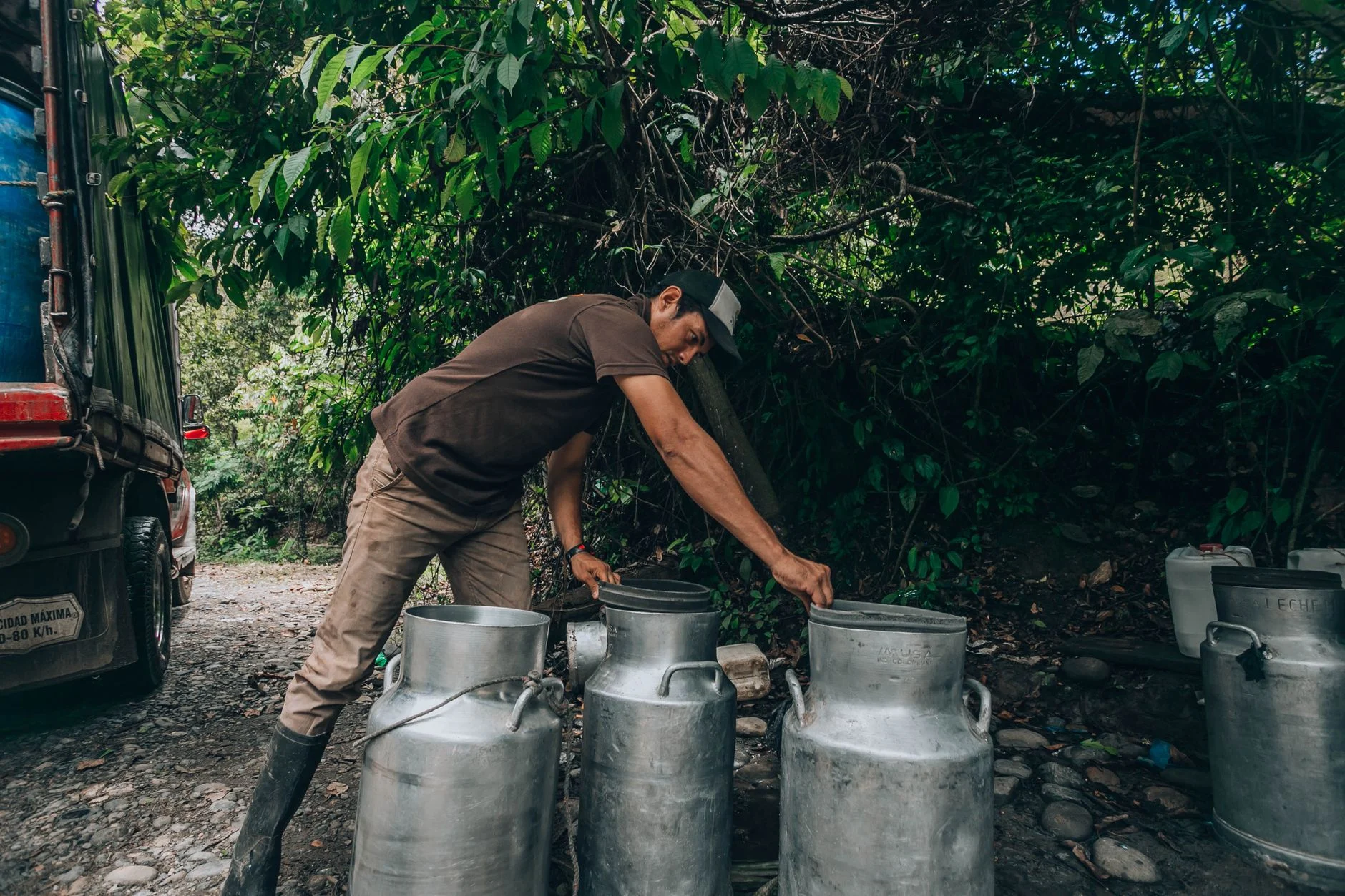
Over the past year, a2 Milk, the New Zealand-based infant formula producer, has grappled with significant supply chain disruptions in China, one of its largest and most critical markets. Following regulatory changes and logistical bottlenecks, the company experienced a protracted period of constrained product availability that slowed its revenue recovery despite gradually improving demand. This drawn-out process highlighted the complex interplay between international trade policies, quality controls, and distribution networks in the infant nutrition sector.
Why it matters
The a2 Milk case underscores the fragility and interconnectedness of global supply chains in highly regulated consumer markets. Infant formula, a product category with stringent safety standards and deeply entrenched consumer trust factors, is particularly vulnerable to supply interruptions. The company’s experience offers a cautionary tale for multinational food and nutrition brands seeking to balance stringent compliance requirements with the agility necessary to sustain growth in volatile international environments. In broader terms, it calls attention to the strategic importance of resilience and diversification in supply chain management.
Industry context
China’s infant formula market is among the world’s largest and most competitive, shaped by evolving regulatory frameworks, shifting consumer preferences, and intense domestic and international competition. Following a series of domestic food safety scandals in previous years, Chinese authorities have tightened import regulations and quality assurance protocols, making market entry and sustained presence more challenging for foreign brands. This regulatory tightening has coincided with increasing nationalism and a push for domestic brands, complicating the operating environment for international producers like a2 Milk. Supply chain disruptions are not unique to a2 Milk; many international suppliers have faced similar obstacles, ranging from customs delays to distribution inefficiencies.
Analysis
a2 Milk’s recovery trajectory illustrates the multifaceted nature of supply chain resilience. The company’s difficulties were not solely logistical but also regulatory, requiring close collaboration with Chinese authorities to meet enhanced certification and quality assurance demands. Moreover, the disruption exposed vulnerabilities in a2 Milk’s reliance on limited production sites and distribution channels tailored primarily to established markets. The slow recovery suggests that reactive measures alone are insufficient; proactive strategies involving supply chain diversification, enhanced transparency, and contingency planning are essential. Furthermore, the case highlights the necessity for multinational companies to develop nuanced local market insights and foster stronger partnerships with regulatory bodies to anticipate and adapt to evolving compliance landscapes.
What to watch next
Looking ahead, observers should monitor how a2 Milk and comparable firms adjust their supply chain strategies in response to ongoing regulatory shifts and geopolitical tensions. The balance between localization and global standardization will be critical as companies seek to mitigate risk while maintaining brand integrity and product quality. Additionally, the potential acceleration of technological adoption—such as blockchain for traceability or advanced analytics for demand forecasting—may redefine supply chain resilience in the infant formula sector. Lastly, market dynamics in China will remain a bellwether for global supply chain strategies, with regulatory developments, consumer sentiment, and international trade relations shaping the operational landscape for years to come.
Ask AI about this story
Answers are based on this article and SN Media’s related coverage. AI can make mistakes.
Frequently asked questions
What caused the supply chain disruptions for a2 Milk in China over the past year?
The disruptions were caused by regulatory changes, logistical bottlenecks, and tightened import regulations and quality assurance protocols in China, which slowed product availability despite improving demand.
How did regulatory changes in China impact a2 Milku2019s operations?
Chinese authorities implemented enhanced certification and quality assurance demands following food safety scandals, requiring a2 Milk to collaborate closely with regulators and adapt to a more challenging compliance environment.
What lessons does a2 Milku2019s experience offer for multinational companies in similar markets?
The case highlights the need for supply chain diversification, proactive contingency planning, enhanced transparency, and strong local partnerships with regulatory bodies to navigate complex and evolving compliance landscapes.
What future developments should be monitored regarding a2 Milku2019s supply chain strategy?
Observers should watch how a2 Milk and similar firms balance localization with global standards, adopt new technologies like blockchain and analytics, and respond to ongoing regulatory and geopolitical changes in Chinau2019s infant formula market.
Continue the story
 LIVE · Follow the latest developments
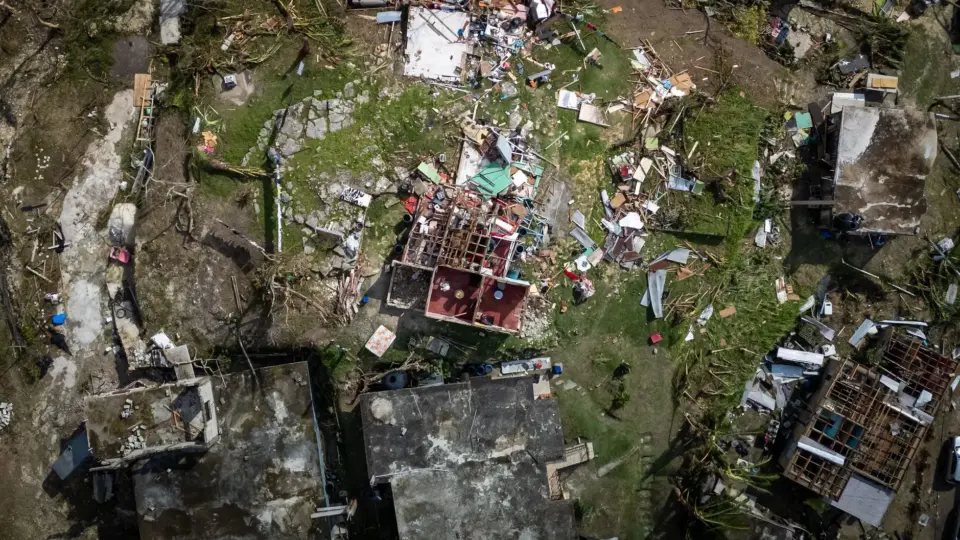
Hurricane Simon live: Strengthens to Category 4, nears Mexico’s Pacific coast
LIVE · Follow the latest developments
Hurricane Simon live: Strengthens to Category 4, nears Mexico’s Pacific coast