








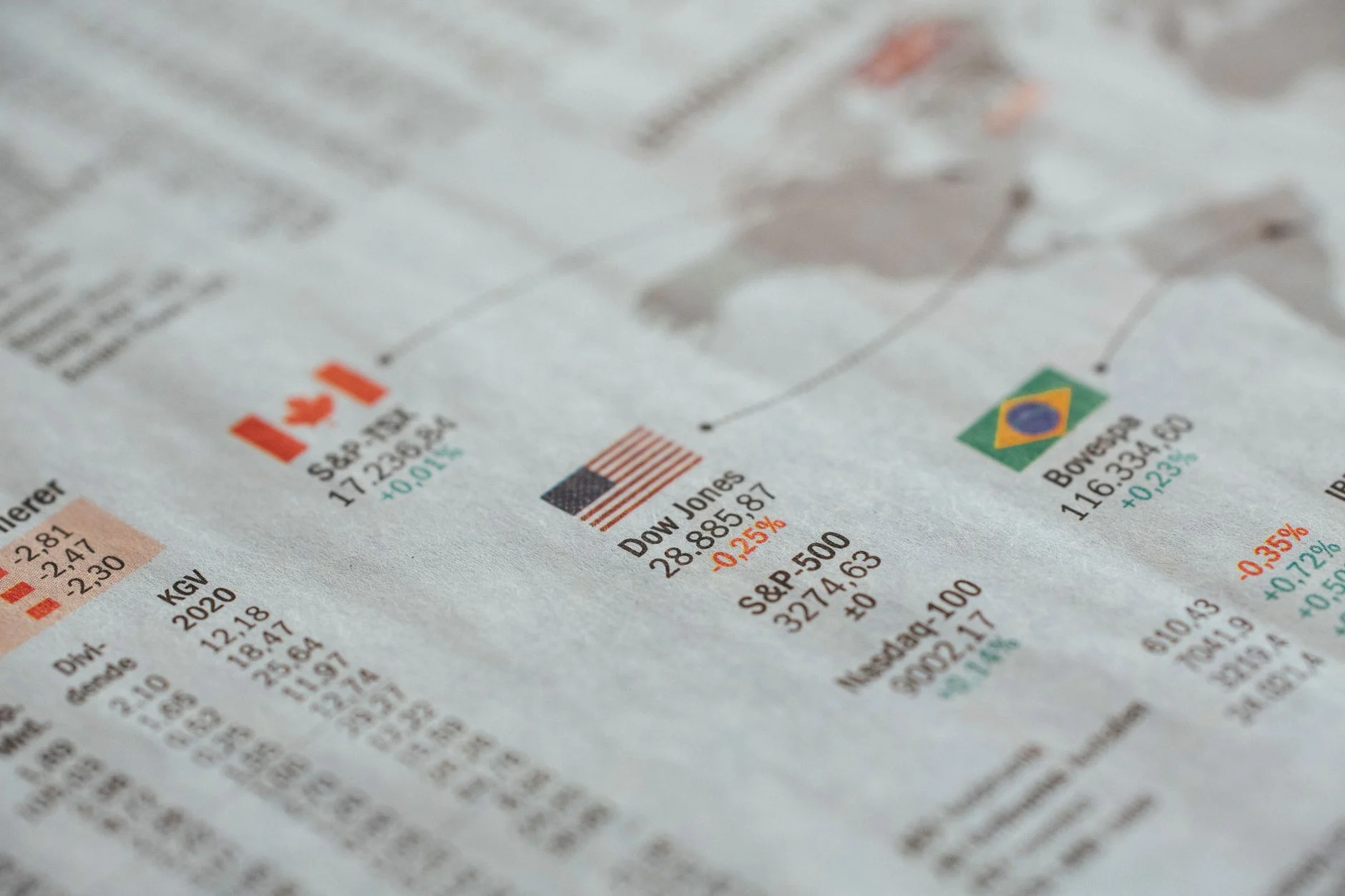
What happened
FTSE 100 futures experienced a notable uptick in early trading sessions, reflecting broader momentum in global equity markets. This surge coincides with a multifaceted confluence of economic data releases, easing geopolitical tensions, and sector-specific rallies. Investors responded positively to a combination of robust corporate earnings reports and encouraging macroeconomic indicators from major economies, driving optimism across UK equities.
Why it matters
The movement in FTSE 100 futures serves as a barometer for investor sentiment toward the UK’s economic outlook and its integration within global markets. Given the index’s composition, which is heavily weighted toward multinational corporations, its performance often reflects international economic conditions as much as domestic factors. Understanding the forces behind this rally is critical for stakeholders assessing risk, portfolio allocation, and the broader trajectory of financial markets amid ongoing global uncertainties.
Industry context
The FTSE 100 is a key benchmark representing the largest companies listed on the London Stock Exchange, many of which operate across diverse sectors such as energy, finance, healthcare, and consumer goods. Recent volatility in currency markets, interest rates, and commodity prices has historically influenced the index’s performance. Additionally, geopolitical developments—ranging from trade negotiations to regional conflicts—continue to shape investor expectations. The current upswing occurs against a backdrop of cautious optimism following a period marked by inflationary pressures and central bank policy recalibrations.
Analysis
Several factors underpin the current rally in FTSE 100 futures. First, economic data from key economies, including the UK, the US, and the Eurozone, suggest a moderation in inflation rates and stable employment figures, alleviating fears of aggressive monetary tightening. This has bolstered risk appetite and improved liquidity conditions.
Second, geopolitical developments have shifted toward a less confrontational tone, particularly regarding trade relations and diplomatic engagements. This reduction in uncertainty has contributed to an improved investor outlook, especially for sectors sensitive to global trade flows such as energy and industrials.
Moreover, sector performance has been uneven but generally positive. Energy companies benefitted from stabilizing oil prices after recent fluctuations, while financial institutions gained from expectations of sustained interest rate levels supporting net interest margins. Technology and healthcare sectors also showed resilience amid cautious optimism about innovation and regulatory environments.
Currency movements further influenced the FTSE 100’s appeal. A relatively weaker pound against the dollar enhances the attractiveness of UK-listed multinational companies by increasing the value of overseas earnings when converted back to sterling.
What to watch next
Moving forward, market participants will closely monitor inflation data and central bank communications for signals of future monetary policy directions. Developments in global trade agreements and geopolitical stability remain critical variables that could materially impact investor sentiment and market volatility.
Additionally, corporate earnings reports in the coming quarters will provide insight into how companies are navigating the economic landscape, particularly in sectors exposed to commodity prices and consumer demand shifts. Currency fluctuations and commodity price trends will also continue to be key indicators influencing the FTSE 100’s trajectory.
In summary, while the current rally reflects a confluence of positive factors, the evolving global economic and geopolitical environment warrants careful scrutiny as markets balance optimism with underlying risks.
Ask AI about this story
Answers are based on this article and SN Media’s related coverage. AI can make mistakes.
Frequently asked questions
What are the main factors driving the recent surge in FTSE 100 futures?
The surge is driven by a combination of robust corporate earnings, encouraging macroeconomic indicators from major economies, easing geopolitical tensions, and positive sector performances, particularly in energy, finance, technology, and healthcare.
How do geopolitical developments influence the FTSE 100 futures rally?
Geopolitical developments, especially a less confrontational tone in trade relations and diplomatic engagements, have reduced uncertainty and improved investor outlook, benefiting sectors sensitive to global trade such as energy and industrials.
What role do currency movements play in the FTSE 100u2019s recent performance?
A relatively weaker pound against the dollar has enhanced the appeal of UK-listed multinational companies by increasing the value of their overseas earnings when converted back to sterling.
What should investors watch for next regarding the FTSE 100 futures?
Investors should monitor upcoming inflation data, central bank communications, global trade developments, corporate earnings reports, currency fluctuations, and commodity price trends, as these factors could significantly impact market sentiment and volatility.
Continue the story
 LATEST
How Rising Oil Prices Are Reshaping Global Inflation Expectations
LATEST
How Rising Oil Prices Are Reshaping Global Inflation Expectations
- LATEST S&P 500’s Resurgence: What It Means for Global Economic Stability
- LATEST How Falling Oil Prices Are Reshaping US Stock Market Sentiment
- LATEST The Impact of Economic Pressures on US Automakers: Ford’s Share Volatility Explained
- LATEST Market Sentiment Darkens: Why Traders Are Increasing Pound Put Options Ahead of UK Budget