








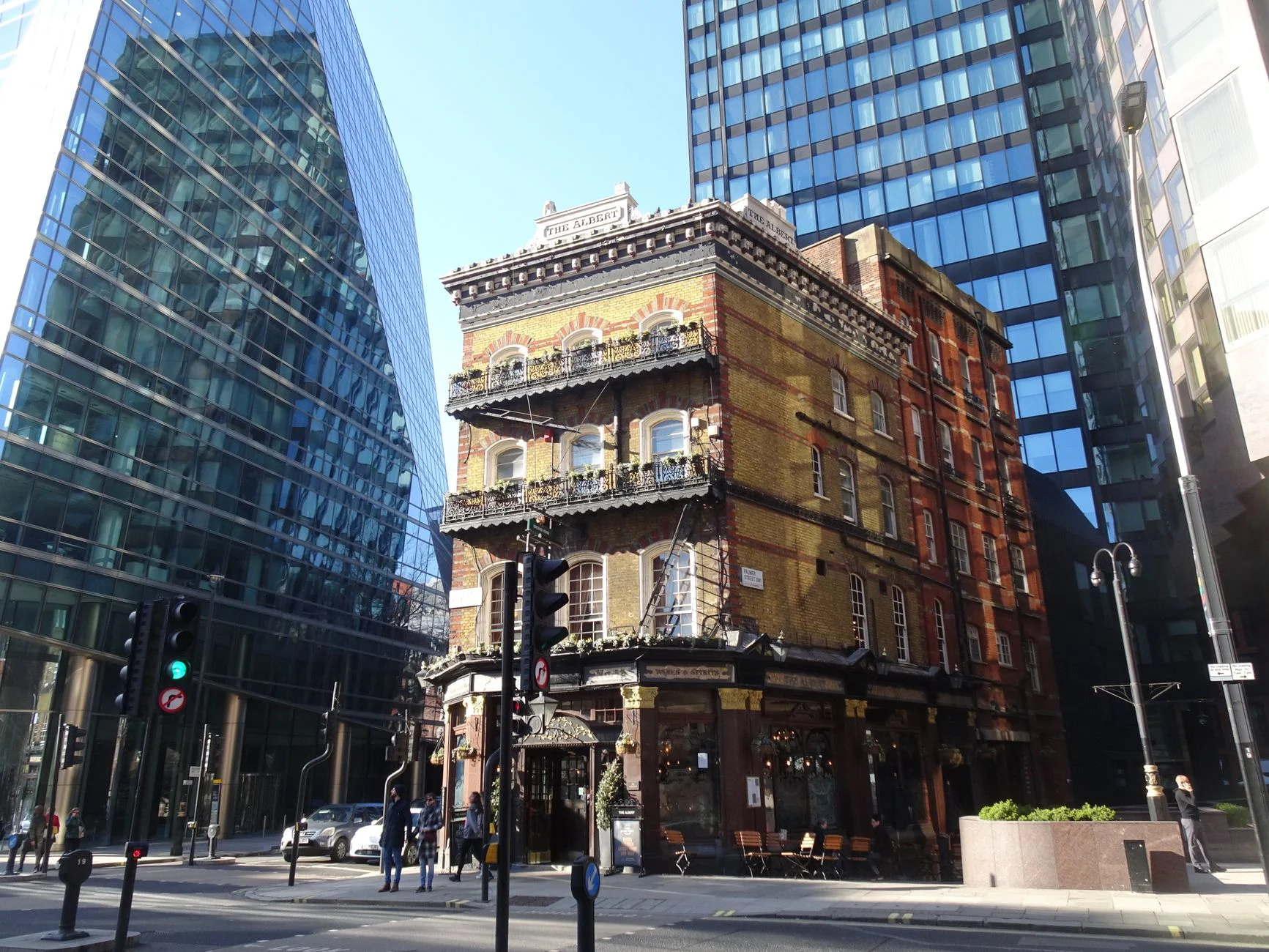
What happened
Recent planning regulations introduced in the UK aim to curb the widespread trend of converting public houses into residential properties. These new policies restrict the automatic rights previously granted for changes of use from pubs to homes, requiring more stringent scrutiny and local authority approval. The move comes amid growing concerns over the loss of traditional pubs, which are regarded as cultural and social landmarks, juxtaposed against the pressing need to increase housing supply in urban and rural areas alike.
Why it matters
Public houses have historically served as more than just venues for food and drink; they function as vital community hubs that foster social cohesion and local identity. The accelerated closure and conversion of pubs risk eroding this social infrastructure, raising questions about the preservation of intangible heritage. Conversely, the housing crisis—marked by escalating property prices and chronic shortages—demands innovative and scalable solutions to expand living spaces. The new planning regulations thus sit at the crossroads of competing societal priorities: cultural preservation versus urban development.
Industry context
Over the past decade, the UK has witnessed a notable decline in the number of operational pubs, driven by changing consumer habits, economic pressures, and the rise of alternative leisure options. The government’s previous policy frameworks facilitated relatively straightforward conversions of pubs into housing, often bypassing comprehensive community consultation. This flexibility was intended to stimulate housing availability but has faced criticism for undermining local heritage and community services. The hospitality and real estate sectors have consequently found themselves navigating a complex regulatory landscape shaped by evolving public sentiment and political intervention.
Analysis
The introduction of tightened planning controls reflects a deliberate effort to recalibrate the balance between development and conservation. By removing permitted development rights for pub-to-residential conversions, local authorities gain increased discretion to assess the community value of public houses before approving redevelopment proposals. This shift acknowledges the multifaceted role pubs play and attempts to safeguard them from indiscriminate loss. However, the policy also introduces potential challenges: it may slow down housing delivery in areas where pub properties represent viable development sites, and could lead to unintended consequences such as increased maintenance burdens on struggling pub owners.
Moreover, the effectiveness of these measures will depend significantly on local authorities’ capacity to enforce regulations and the availability of resources to support the refurbishment and sustainable operation of pubs. Without complementary initiatives—such as community ownership models or targeted financial incentives—the restrictions alone may not suffice to reverse the decline of pubs or address housing needs comprehensively. The interplay between cultural conservation and housing policy underscores the complexity inherent in urban and rural planning, where competing interests must be judiciously balanced.
What to watch next
Key indicators to monitor include the rate of pub closures and conversions following the implementation of the new rules, as well as local authorities’ responsiveness in applying the tightened planning framework. Observers should also track emerging models of pub ownership and community engagement that may serve as sustainable alternatives to traditional commercial operations. Additionally, the broader housing market’s reaction—particularly in areas with high pub density—will provide insights into whether the restrictions materially impact housing supply or merely redirect development pressures elsewhere. Ultimately, the evolving dialogue between heritage preservation and housing provision will remain a critical focus for policymakers, industry stakeholders, and communities alike.
Ask AI about this story
Answers are based on this article and SN Media’s related coverage. AI can make mistakes.
Frequently asked questions
What do the new UK planning regulations change about pub-to-home conversions?
The new regulations remove permitted development rights that previously allowed straightforward conversion of pubs into residential properties, requiring local authority approval and more thorough scrutiny of such proposals.
Why are pubs considered important beyond their commercial function?
Pubs serve as vital community hubs that foster social cohesion and local identity, representing intangible cultural heritage that the new regulations aim to protect from indiscriminate loss.
What challenges might arise from these new planning restrictions?
The restrictions could slow housing delivery where pubs are viable development sites and may increase maintenance burdens on struggling pub owners; their success also depends on local authorities' enforcement capacity and complementary support measures.
What factors will determine the effectiveness of these planning rules going forward?
Effectiveness will hinge on local authorities' ability to enforce the rules, the availability of support for pub refurbishment and sustainable operation, and the development of alternative ownership or community engagement models, alongside monitoring housing market impacts in pub-dense areas.
Continue the story
 LATEST
The Rise of Tiny Hotels: How Luxury Travel Is Embracing Minimalism
LATEST
The Rise of Tiny Hotels: How Luxury Travel Is Embracing Minimalism
- LATEST The Regulatory Challenges of Marketing Meal Replacement Products
- LATEST The Future of UK Pensions: Analyzing Burnham’s 2030 Triple Lock End Proposal
- LATEST Balancing Aviation Growth and Climate Goals: The Heathrow Third Runway Dilemma
- LATEST How Rising Energy Costs Are Reshaping Northern Ireland’s Economic Landscape