






- Sudden parade rescheduling forces marching bands to absorb unplanned expenses for travel and accommodation.
- Deferred events disrupt carefully balanced funding cycles, compromising future programming and recruitment efforts.
- Reliance on community fundraising and sponsorships heightens vulnerability to logistical shocks.
- Event organizers’ contingency planning often overlooks the financial ripple effects on smaller participants.
The Financial Strain on Marching Bands After Unexpected Parade Rescheduling
What happened
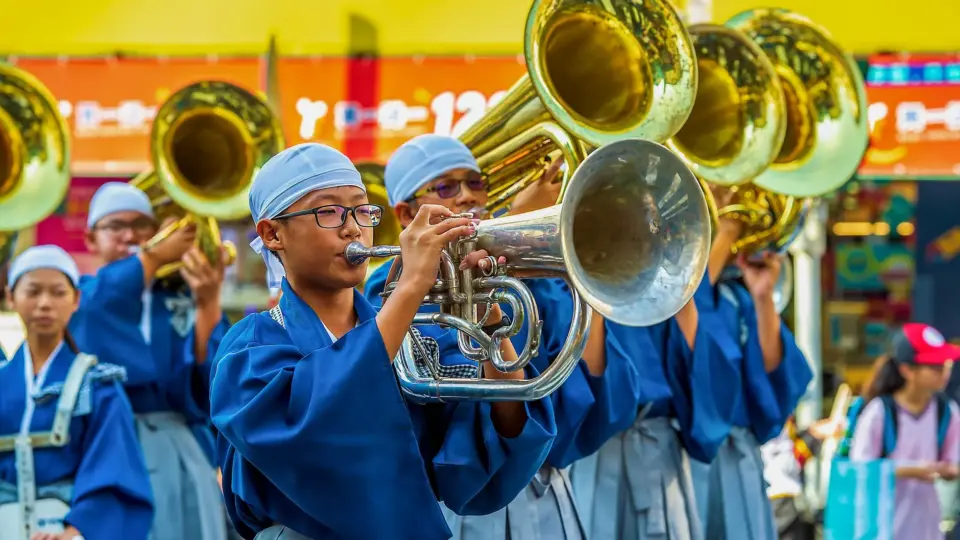
The recent postponement of the Macy’s Thanksgiving Day Parade, attributed to severe weather conditions, created significant logistical challenges for the participating marching bands. These ensembles, often comprising students or community members, faced abrupt changes to travel plans, accommodation bookings, and performance schedules. The delay meant incurring additional costs outside their original budget allocations, which had been carefully planned months in advance. Such disruptions extend beyond mere inconvenience, imposing tangible financial burdens on these groups.
Why it matters
Marching bands operate within constrained fiscal frameworks, typically relying on a mix of school funding, local government grants, sponsorships, and grassroots fundraising. Unexpected changes to marquee events like the Macy’s Parade can destabilize this delicate financial ecosystem. The need to secure last-minute lodging or rearrange transportation inflates costs, cutting into funds earmarked for instruments, uniforms, or subsequent performances. Over time, these strains risk undermining the bands’ operational viability and their ability to attract new members, threatening cultural continuity and community engagement.
Industry context
The marching band sector is characterized by a patchwork of funding sources and volunteer-driven management. While high-profile parades offer unparalleled exposure and prestige, they also demand significant upfront investment. Unlike professional performance groups with corporate backing, many community and school-based bands operate on tight margins. Event organizers, including parade committees, typically focus contingency planning on safety and broadcast logistics, with less consideration for the downstream financial impacts on participants. This gap reveals a broader systemic issue in event management where the economic dependencies of smaller participants are insufficiently accounted for.
Analysis
The financial shockwaves from parade rescheduling expose a structural vulnerability in the marching band ecosystem. The reliance on fixed-date events for fundraising and sponsorship visibility means that any disruption reverberates through the entire fiscal year. Bands often commit resources based on fixed schedules, and last-minute changes can force reallocations that sacrifice long-term sustainability for short-term survival. Moreover, these financial setbacks may exacerbate inequalities between well-funded urban programs and under-resourced rural or suburban bands. Without dedicated financial buffers or insurance mechanisms, many groups may find themselves in precarious positions, unable to participate in future events or maintain program quality.
Event organizers bear a responsibility to integrate more comprehensive support structures for participants. Transparent communication, flexible rescheduling policies, and potential compensation frameworks could mitigate some of the economic fallout. Additionally, community stakeholders might consider establishing emergency funds or collaborative insurance schemes to safeguard against such shocks. Addressing these challenges requires acknowledging the interdependence between large-scale event success and the operational health of individual participants.
What to watch next
Future editions of major parades and similar cultural events will likely grapple with the tension between maintaining traditional schedules and managing unpredictable disruptions, whether weather-related or otherwise. Observers should monitor whether event committees introduce policies that explicitly address participant financial risks. The development of insurance products tailored for community performance groups could emerge as a vital innovation. Additionally, the evolving climate landscape suggests that contingency planning will become increasingly critical, potentially reshaping how marching bands and event organizers collaborate. Tracking how these dynamics influence funding models and participation rates will offer insight into the resilience of this cultural institution.
Ask AI about this story
Answers are based on this article and SN Media’s related coverage. AI can make mistakes.
Frequently asked questions
What financial challenges did marching bands face due to the Macyu2019s Thanksgiving Day Parade postponement?
Marching bands incurred unplanned expenses for travel, accommodation, and rescheduling, which were not accounted for in their original budgets, leading to financial strain.
How does parade rescheduling affect the long-term viability of marching bands?
Unexpected changes disrupt funding cycles and force reallocations that can reduce resources for instruments, uniforms, and future performances, threatening the bandsu2019 sustainability and recruitment efforts.
Why are marching bands particularly vulnerable to financial shocks from event delays?
Bands rely on a mix of school funding, grants, sponsorships, and fundraising, often operate on tight margins, and lack financial buffers or insurance, making them sensitive to last-minute cost increases.
What measures could event organizers take to reduce the financial impact on marching bands?
Organizers could improve contingency planning by including financial support structures such as flexible rescheduling policies, transparent communication, potential compensation, and encouraging emergency funds or insurance schemes for participants.
Continue the story
 BACKGROUND · How we got here
The Economic Impact of the Nor’easter: Costs and Recovery Challenges
- BACKGROUND · How we got here Analyzing Infrastructure Vulnerabilities Exposed by the East Coast Storm
- BACKGROUND · How we got here Analyzing the Fed’s Reluctance to Pause Amid Market Volatility
- BACKGROUND · How we got here US Treasuries See Decline Amid Post-Holiday Stock Market Rally
- BACKGROUND · How we got here How Black Friday’s Discount Culture Shapes Consumer Technology Trends